A proposed change to the Waters of the United States Rule would narrow the definition of protected waterways.


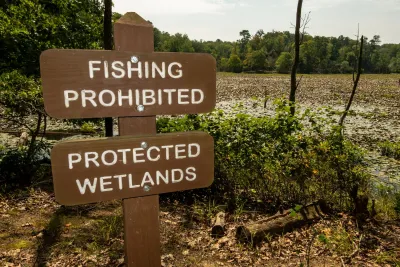
The Environmental Protection Agency (EPA) is proposing to restrict which types of waterways qualify for federal protection under the Waters of the United States (WOTUS) rules, reports Lisa Held in Civil Eats.
“In 2023, the Biden administration’s rules, which would have protected a larger portion of waterways, went into effect. Some elements of those rules were then struck down by the Supreme Court, and the rules were amended later that year. Ever since, different states have been following two different sets of rules based on their own interpretations,” Held explains.
The changes include a revised definition of “relatively permanent flow” and excluding wetlands unconnected to other bodies of water from protection.
The changes are supported by groups representing agricultural industries who say it would “protect farmers from being penalized for filling in places on farms where water collects, like ditches and ephemeral streams, and ‘will provide regulatory certainty and protection from frivolous lawsuits from activists.’” Betsy Southerland, the former director of the Office of Science and Technology in the EPA’s Office of Water, called the proposal “the worst version of WOTUS to date” and said it “will result in significantly more water pollution from agriculture and other sources.”
FULL STORY: EPA Proposes Shrinking Number of Waterways Protected From Pollution

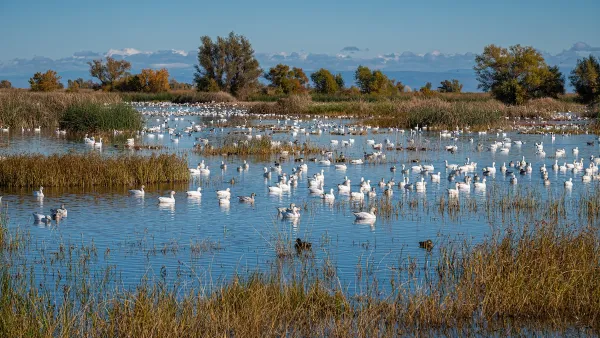
California Lawmakers Move to Protect Waterways
Anticipating that the Trump EPA will reinstate a 2017 policy that excluded seasonal wetlands and waterways from environmental protections.
GAO: Washington State Slow on Clean Water Reporting
The Clean Water Act mandates reporting of ‘impaired waters’ to support conservation and restoration efforts.
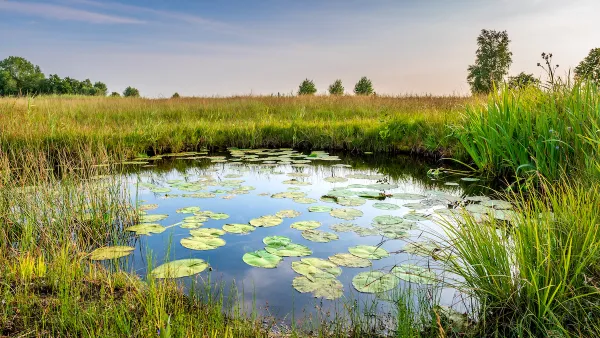
States Scramble in Wake of Clean Water Act Ruling
The removal of federal oversight of wetlands has left millions of acres unregulated and erected major hurdles for lawmakers seeking to protect them.

The state-sanctioned urbicide of Austin
People don’t kill cities. Freeways do.

US to reduce Colorado River water deliveries to Mexico
A new Colorado Treaty amendment reduces Mexico’s Colorado River water allocation by 250,000 acre feet.

New Jersey’s second-largest city bans standalone data centers
Jersey City will continue to allow co-location facilities, such as those meant for research institutions that store their own data.

Amtrak not solely to blame for New Jersey commuter rail's unreliability, report finds
A new study from the Garden State Initiative found that NJ Transit’s budget grew 20% across a 4 year period, but reliability declined significantly over the same period.

EPA erases limits on planet-warming pollution from power plants
Under Monday’s plan, power plants would still have some limits on how much mercury, arsenic and other contaminants they can emit.

Phoenix announces new on-demand transit service, more frequent RAPID buses
Both new services will launch in October, and are part of Phoenix's Project Effective Access Solutions for Easing Congestion.

FREE Course: Walkable City 1: Why Walkability?
After describing his path towards focusing on walkability as the essence of good planning, Jeff Speck marches through his five principal reasons for making more walkable places.
Reinventing Malls: Planning Alchemy—Turning Gray Fields Into Gold
The course focuses on the opportunities and imperatives that shape reinvention of mall sites.

Eagle County Government
Harvard University Graduate School of Design
Nashville Planning Department
The Architects Foundation
University of Cincinnati Online
The Pocatello Development Authority
The Urban Renewal Agency of the City of Pocatello
Journal of the American Planning Association