Meet the new plan; it's not like the old plan.



"Mayor Bill de Blasio's update to PlaNYC will be called OneNYC and incorporate a new metric to account for poverty and income inequality," reports David Giambusso and Sally Goldenberg. "De Blasio's plan will be divided into four categories: growth, equity, sustainability and resiliency."
The article describes the effort as a move by the De Blasio Administration to the left of the Bloomberg Administration's policies. Also noted is the trend toward the use of the word "one" by the current administration, as exemplified in several other policy initiatives around the city.
The Mayor's Office released the new plan on Wednesday—a few days after the news of the broke. An April 22, 2015 press release on the New York City's official website announced that the plan is designed to lift 800,000 people out of poverty by 2025. Other big ticket targets include zero waste to landfills by 2030 and avoiding long-term displacement of jobs and homes after "future shock events."
The plan's hashtag, #ONENYC, has already produced a lot of discussion over on Twitter.
Read the full story: Name change: PlaNYC to become OneNYC
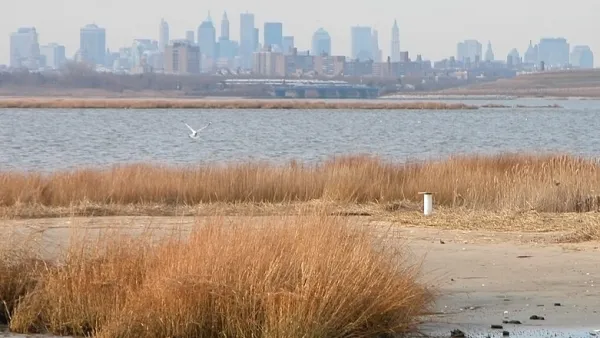
New York to Update the OneNYC Resilience and Sustainability Plan
Introduced with fanfare in 2015, the OneNYC plan is ready for an update.
Meet New York City's First Regional Planning Director
A city planning office with a regional focus? Such a rare beast is real in New York City. There's even a new leader at the helm of the operation.
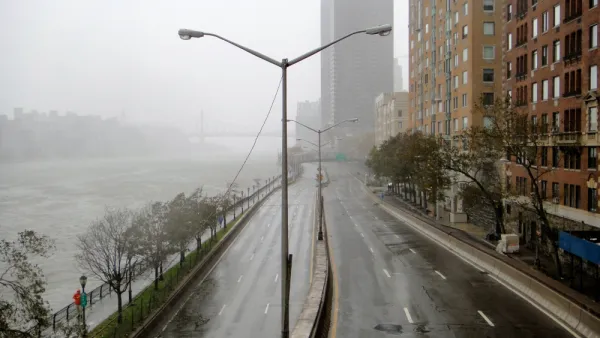
Flood Barrier Approved for Manhattan's East Side
A plan to build a flood barrier between Manhattan and the East River overcame some last minute controversy on its way to approval this month.

Planetizen Federal Action Tracker
A weekly monitor of how Trump’s orders and actions are impacting planners and planning in America.

Eastern Nebraska is running out of electricity
Data centers and electrification are straining eastern Nebraska’s grid, throttling economic development.

Move over, LA: St. Louis gears up for Olympics, invests millions in downtown redevelopment
The Missouri city will host the 2028 Olympic soccer group stage and knockout matches.

Dallas releases zoning code overhaul to officials
The drafted overhaul is over 400 pages long.

NYC renovations for dangerous, ‘mercilessly crammed’ street delayed until 2027
Construction was supposed to begin this fall.

San Diego’s Midway Rising project gets greenlight from city council
The project looks to become the largest affordable housing development in California's history.

FREE Course: Walkable City 1: Why Walkability?
After describing his path towards focusing on walkability as the essence of good planning, Jeff Speck marches through his five principal reasons for making more walkable places.
Reinventing Malls: Planning Alchemy—Turning Gray Fields Into Gold
The course focuses on the opportunities and imperatives that shape reinvention of mall sites.

City of Rosemead
Rutgers University, Edward J. Bloustein School of Planning and Public Policy
One Hundred Miles
University of Michigan School for Environment and Sustainability (SEAS)
Hunter College, City University of New York (CUNY)
The Architects Foundation
City of Cambridge
The Pocatello Development Authority
The Urban Renewal Agency of the City of Pocatello