According to new analysis by Nate Silver, New York City might be more aptly described as the city that sleeps in.


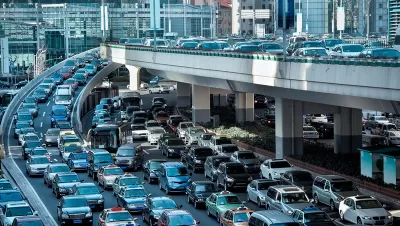
Nate Silver used data from the U.S. Census American Community Survey to figure out the median time Americans begin their workday in each metro. The start time refer to the location of work, not residence.
Among the cities that start their day off later than the average: New York City, San Jose, and San Francisco. Late launching cities tend to have young, creative work forces, college populations, or tourism industries.
The earliest risers include towns like Hinesville, Georgia and Bakersfield, California, are likely to be either military metros or agricultural areas.
In all, trends to look for include, “the majority of highly populous metro areas begin working a little later than the rest of the country” and “the workday schedule is dictated more by the type of work than the location.”
Read the full story: Which Cities Sleep in, and Which Get to Work Early

Are Regional Governments the Answer to the Housing Crisis?
A never-realized model of regional governance once proposed in California could help ease the housing crunch and create more housing in suburbs and peripheral areas.
Major U.S. Metro Areas in a Transition Period, According to Census Analysis
The nation's growth slowed from 2010 and 2020, according to 2020 Census data, and demographers are still trying to figure out what population trends mean for the future of country's major metropolitan areas.
Census: Big Cities Lost Population During the Pandemic
For the first time in at least three decades, major metropolitan areas in the U.S. showed negative population growth during the peak of the COVID-19 pandemic.

Planetizen Federal Action Tracker
A weekly monitor of how Trump’s orders and actions are impacting planners and planning in America.

California plans to bury El Niño’s downpour
If the state plays its cards right, it may be able to store a billion acre-feet of El Niño’s water in aquifers.

Desperate measures: Advocates weigh draining Lake Powell to fill Colorado River
Draining the reservoir could reduce evaporation losses by a couple hundred thousand acre-feet.

US buildings threatened, destroyed by fires set to triple by 2060
Researchers found a high fire risk for socioeconomically vulnerable neighborhoods in the American West.

LA residents may be allowed to paint their own crosswalks
Councilwoman Katy Yaroslavsky put out a motion instructing the Los Angeles Department of Public Transportation to study the feasibility of allowing volunteers to paint crosswalks.

Dallas moves to overhaul its zoning code
The city's zoning reform will allow more multi-family and mixed-use developments.

FREE Course: Walkable City 1: Why Walkability?
After describing his path towards focusing on walkability as the essence of good planning, Jeff Speck marches through his five principal reasons for making more walkable places.
Reinventing Malls: Planning Alchemy—Turning Gray Fields Into Gold
The course focuses on the opportunities and imperatives that shape reinvention of mall sites.

City of Rosemead
Rutgers University, Edward J. Bloustein School of Planning and Public Policy
One Hundred Miles
Hunter College, City University of New York (CUNY)
The Architects Foundation
University of Cincinnati Online
City of Cambridge
Montrose County
The Pocatello Development Authority