A recent news broadcast showed the mayor of Tacoma with a backdrop of the city of Seattle. The feeling of being hidden in the shadow of larger, older neighbor cities is familiar all over the world, but what are “kid sister” cities to do about it?


The task of creating a unique identity in the shadow of a famous neighbor is tricky, according to Ali Modarres. “This is not a logo problem. It is not about a catchy phrase, and it is not about another cultural event.”
Keeping up with the Joneses is either futile or impossible: “Unique architectural landmarks can create memorable identities, but these phallic symbols already dot cities the world over. Whether in Dubai, Barcelona, or Beijing, starchitects would be happy to add the next jaw-dropper to any city willing to deposit a large sum of public funds at their altars.”
Instead of implementing “best practices” and calling on “experts” to, in effect, copy what other cities are doing, Modarres suggests that second cities focus on their own unique qualities. “[Cities] like Tacoma need more than cultural fairs and gimmicky tourist attractions. They need an inclusively created branding strategy. It is important that they know what works and what doesn’t, but strategies need to be based on a vision that gives the city the self-confidence it needs to move forward.”
Read the full story: Life As A Second City
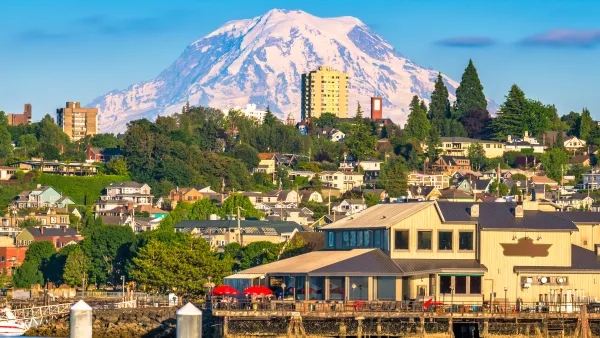
Tacoma sees 62% spike in units permitted after drastic 'Home in Tacoma' rezone
The new zoning allows for backyard buildings, courtyard housing, multiplexes, "houseplexes" and rowhouses, with a minimum of four units allowed on any lot.

Tacoma Program Offers Free Street Trees
The Green Blocks program targets neighborhoods with the highest need for additional tree canopy.
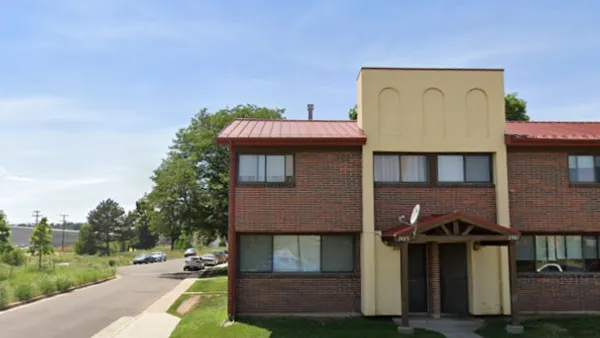
Does Branding Play a Role in Redevelopment?
One Denver neighborhood’s massive redevelopment project includes a branding element. Is it necessary?

Desperate measures: Advocates weigh draining Lake Powell to fill Colorado River
Draining the reservoir could reduce evaporation losses by a couple hundred thousand acre-feet.

Eastern Nebraska is running out of electricity
Data centers and electrification are straining eastern Nebraska’s grid, throttling economic development.

Malls are becoming the midtowns of the future
Mall and office park redevelopments are a generational opportunity to create new nodes of urbanity.

NYC breaks ground on anti-flooding infrastructure project
New York City's new system will reduce stormwater flows to local sewers by 90%.

One Kentucky town’s secret to affordable housing
The Smoketown Community Land Trust has already built seven affordable homes for community members.

Houston gains petal-shaped cooling infrastructure to make streets more ‘delightful’
The city has installed the pavilions along 15 blocks in Houston.

FREE Course: Walkable City 1: Why Walkability?
After describing his path towards focusing on walkability as the essence of good planning, Jeff Speck marches through his five principal reasons for making more walkable places.
Reinventing Malls: Planning Alchemy—Turning Gray Fields Into Gold
The course focuses on the opportunities and imperatives that shape reinvention of mall sites.

City of Rosemead
Rutgers University, Edward J. Bloustein School of Planning and Public Policy
One Hundred Miles
University of Michigan School for Environment and Sustainability (SEAS)
Hunter College, City University of New York (CUNY)
The Architects Foundation
City of Cambridge
Montrose County
The Pocatello Development Authority