A newly published University of Melbourne study ten years in the making reveals that increased access to shops, parks, and other amenities increased walking and overall health.



The study, which was published in the journal Social Science & Medicine, "found that the overall health of residents of new housing developments in Western Australia, improved when their daily walking increased as a result of more access to parks, public transport, shops and services."
"The study found that for every local shop, residents' physical activity increased an extra 5-6 minutes of walking per week. For every recreational facility available such as a park or beach, residents' physical activity increased by an extra 21 minutes per week."
"Lead researcher Professor Billie Giles-Corti, Director of the McCaughey VicHealth Centre for Community Wellbeing at the University of Melbourne said the study provided long-term evidence that residents' walking increased with greater availability and diversity of local transport and recreational destinations."
"The study demonstrates the potential of local infrastructure to support health-enhancing behaviours," she said.
Read the full story: Walk It Out: Urban Design Plays Key Role in Creating Healthy Cities

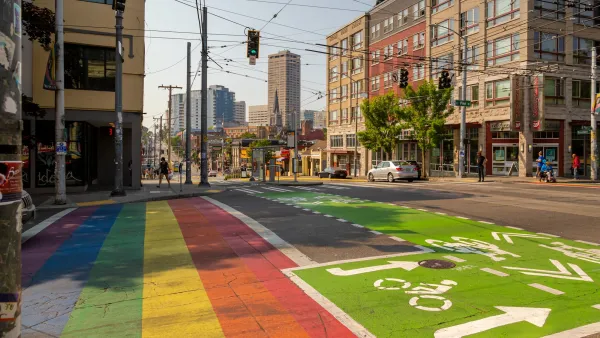
Seattle Creates 4 ‘Low-pollution Neighborhoods’
The pilot program is designed to reduce air pollution and increase access to transit and safe walking and biking infrastructure.
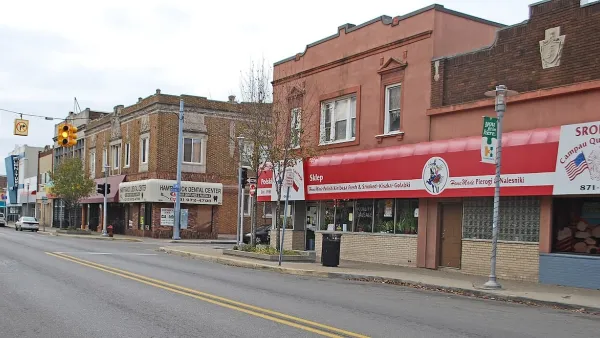
Research: Walkability Linked to Improved Public Health
A study reveals that the density of city blocks is a significant factor in communities’ walkability and, subsequently, improved public health outcomes for residents.

Study: Walkability Can Help Reduce Dementia Risk
Walkable neighborhoods offer natural opportunities to stay active and engaged with friends and neighbors, increasing residents’ chances of remaining mentally and physically healthy longer.

Planetizen Federal Action Tracker
A weekly monitor of how Trump’s orders and actions are impacting planners and planning in America.

‘Going backwards:’ Baltimore mayor, students rally against state's transit funding plan
Maryland's proposed six-year plan provides no funding for Baltimore’s BMORE bus program and reduces its road maintenance funding.

Detroit to transform waterfront with $2.2 billion investment
Developers will convert about 18 acres of unused parking lot space into civic spaces.

Metrolink finishes first expansion in 20 years
The transit agency is now one of very few in the United States to connect two major airports.

Central Park has seen three deadly crashes since June. It banned cars 8 years ago.
100,000 bikers, pedestrians and horseback riders compete for space on the loop daily, sometimes resulting in deadly collisions.

SF residents can no longer use potential shadows to block housing developments
The SHADE act also halves the allotted time for certain appeals before projects can progress.

FREE Course: Walkable City 1: Why Walkability?
After describing his path towards focusing on walkability as the essence of good planning, Jeff Speck marches through his five principal reasons for making more walkable places.
Reinventing Malls: Planning Alchemy—Turning Gray Fields Into Gold
The course focuses on the opportunities and imperatives that shape reinvention of mall sites.

planning NEXT
City of Thousand Oaks
City of Wisconsin Rapids
The Architects Foundation
University of Cincinnati Online
Northern Illinois Transit Authority (NITA)
The Pocatello Development Authority
The Urban Renewal Agency of the City of Pocatello