A new study finds that high commodity prices and a biofuels rush have led to rates of grassland loss in America's northern Plains “comparable to deforestation rates in Brazil, Malaysia, and Indonesia.” Brad Plumer discusses the impacts.


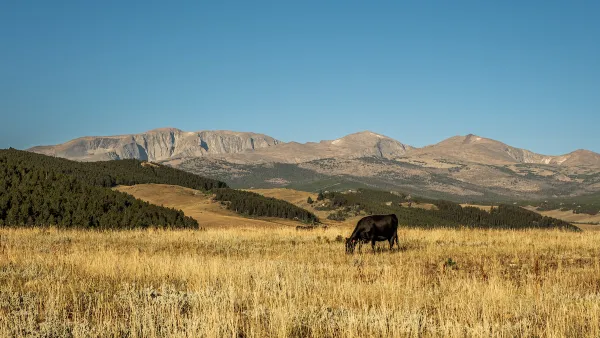
"A new study by Christopher Wright and Michael Wimberly of South Dakota State University finds that U.S. farmers converted more than 1.3 million acres of grassland into corn and soybean fields between 2006 and 2011," writes Plumer. As up to five percent of grasslands in some states are converted to cropland each year, the northern Plains are confronting unexpected problems.
For example, notes Plumer, the loss of pasture could have big environmental impacts. "Studies have found that grasslands hold carbon in their soil better than cropland does."
"There’s a wildlife angle, too: The Prairie Pothole Region, traversing Minnesota and the Dakotas, is one of the continent’s key breeding grounds for ducks and other ground-nesting birds. Tall grasses in the area help sustain a number of species and shield birds from predators. But corn fields are now encroaching on the habitat, and bird populations are dropping."
FULL STORY: Biofuel rush wiping out America’s grasslands at fastest pace since the 1930s

Montana Ranchers Question Massive Solar Project
The $1.2-billion solar farm would provide power to data centers owned by Microsoft, Meta, and others.

Industry Leaders: Automakers Must Cut EV Battery Weight in Half
Experts call for lighter batteries, diversification of fuels, and a shift away from private cars and towrad public transit.
Former Landfill Doubles as Public Park, Energy Producer
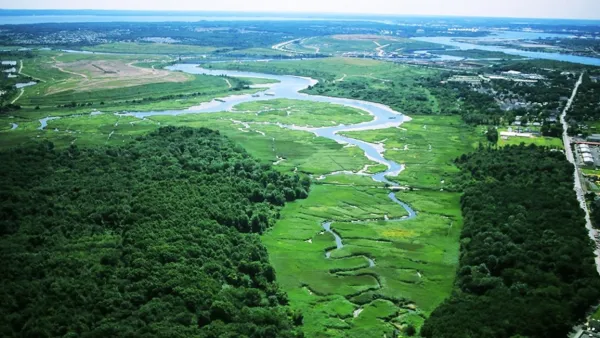
Once the world’s largest dump, Freshkills Park now offers new city park space and powers local households with biofuel.

Planetizen Federal Action Tracker
A weekly monitor of how Trump’s orders and actions are impacting planners and planning in America.

The state-sanctioned urbicide of Austin
People don’t kill cities. Freeways do.

US to reduce Colorado River water deliveries to Mexico
A new Colorado Treaty amendment reduces Mexico’s Colorado River water allocation by 250,000 acre feet.

Airbnb launches $250 million 'last-dollar financing' housing accelerator, makes first investment in Austin
The company will put $6.4 million towards affordable housing development in Texas’ capital.

Guerilla urbanists are building DIY bus stop benches in Chicago
A before-and-after of one of the bus stops with a new bench. The new benches are not officially sanctioned or permitted, but the residents who placed them hope they will be the start of a network of DIY benches across the city.

Mamdani overhauls NYC's Vision Zero plan with 100 new policy goals
The overhaul aims to reduce traffic deaths and make streets safer for pedestrians, cyclists and drivers through lower speed limits, new safety infrastructure and more.

FREE Course: Walkable City 1: Why Walkability?
After describing his path towards focusing on walkability as the essence of good planning, Jeff Speck marches through his five principal reasons for making more walkable places.
Reinventing Malls: Planning Alchemy—Turning Gray Fields Into Gold
The course focuses on the opportunities and imperatives that shape reinvention of mall sites.

Eagle County Government
Harvard University Graduate School of Design
Nashville Planning Department
The Architects Foundation
University of Cincinnati Online
The Pocatello Development Authority
The Urban Renewal Agency of the City of Pocatello
Journal of the American Planning Association