




















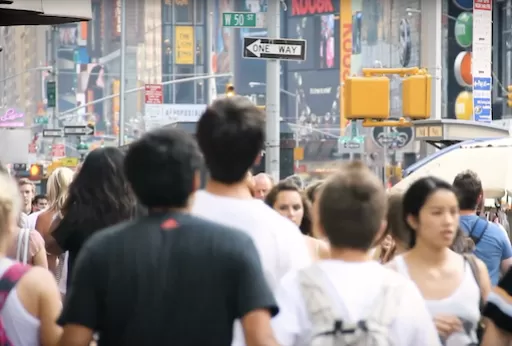
Recent studies show that upwards of 77% of Millennials are opting to live in urban areas. The impact on the local economy will be huge, IF urban planners rethink how we build our downtowns.


It's no surprise that driving less and walking more can have significant benefits to the environment and our health. Less commonly discussed, however, is the implications to our local economy. Author Amanda Maher reflects on a presentation by Jeff Speck, author of "The Walkable City" and discusses why cities should be rethinking their downtowns. There are four keys to getting residents walking more: (1) having a reason to walk; (2) feeling safe to walk; (3) having a comfortable walk; and (4) enjoying an interesting walk.
When city planners focus on these four areas, cities reap the economic, health and environmental benefits.
It's not easy to create a walkable downtown. The author explains, "It often takes a while to create the momentum for downtown investment, but the downtown is the one neighborhood that belongs to the entire city. The city's reputation hinges on its ability to attract people and businesses to these downtown areas."
FULL STORY: Designing Walkable Downtowns Help Cities Reap Real Benefits

Midburbs: A New Definition of Suburbs
When the name “suburb” just doesn't quite fit.
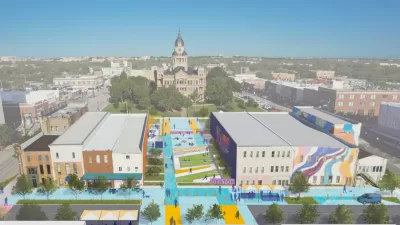
North Texas Town Launches Downtown Revitalization Plan
The Design Downtown Denton plan takes aim at improving walkability and highlighting the city’s historic assets.
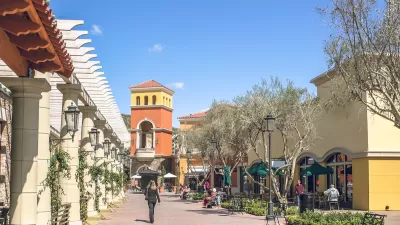
Is the City Moving to the Suburbs?
Is the recent trend to build more walkable suburbs a sign of sustainable change?

Trump Administration Could Effectively End Housing Voucher Program
Federal officials are eyeing major cuts to the Section 8 program that helps millions of low-income households pay rent.
Planetizen Federal Action Tracker
A weekly monitor of how Trump’s orders and actions are impacting planners and planning in America.

Ken Jennings Launches Transit Web Series
The Jeopardy champ wants you to ride public transit.

USGS Water Science Centers Targeted for Closure
If their work is suspended, states could lose a valuable resource for monitoring, understanding, and managing water resources.

Driving Equity and Clean Air: California Invests in Greener School Transportation
California has awarded $500 million to fund 1,000 zero-emission school buses and chargers for educational agencies as part of its effort to reduce pollution, improve student health, and accelerate the transition to clean transportation.

Congress Moves to End Reconnecting Communities and Related Grants
The House Transportation and Infrastructure Committee moved to rescind funding for the Neighborhood Equity and Access program, which funds highway removals, freeway caps, transit projects, pedestrian infrastructure, and more.

Urban Design for Planners 1: Software Tools
This six-course series explores essential urban design concepts using open source software and equips planners with the tools they need to participate fully in the urban design process.
Planning for Universal Design
Learn the tools for implementing Universal Design in planning regulations.

Heyer Gruel & Associates PA
Ada County Highway District
Institute for Housing and Urban Development Studies (IHS)
City of Grandview
Harvard GSD Executive Education
Toledo-Lucas County Plan Commissions
Salt Lake City
NYU Wagner Graduate School of Public Service