



















Emily Wax explores how guerrilla gardeners in Washington D.C. are taking over vacant lots and creating space for neighborhood gardens and vegetable patches, and building community along the way.


This spring, cities like Portland, Detroit, Baltimore and DC are engaging in an emerging urban activist movement -- guerrilla gardening. "This is civil disobedience with a twist: Vegetable patches and sunflower gardens planted on decrepit medians and in derelict lots in an effort to beautify inner-city eyesores or grow healthful food in neighborhoods with limited access to fresh food," writes Wax.
According to Emmy Gran, a teacher at Old City Green, a gardening store in the Shaw neighborhood of D.C., "Guerrilla gardening is urban gardening and food justice." She dates the genesis of guerrilla gardening to the late 1960s, when the Berkeley community turned a disused piece of land near the University of California campus into a public green area. It has since spread worldwide to more than 30 countries and is actively documented on a British-based website.
Although "District police say that guerrilla gardening technically constitutes unlawful entry, a misdemeanor," according Wax, it's operating successfully below police radar in D.C., for now.
FULL STORY: ‘Guerrilla gardeners’ spread seeds of social change

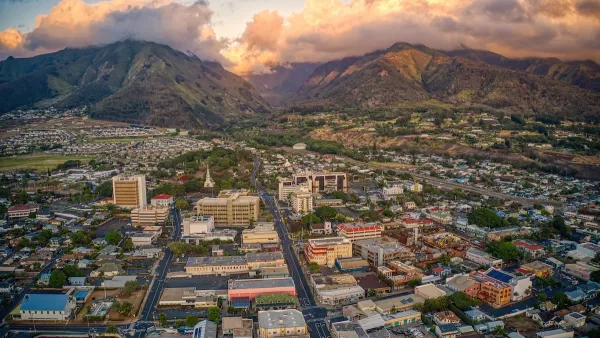
Maui's Vacation Rental Debate Turns Ugly
Verbal attacks, misinformation campaigns and fistfights plague a high-stakes debate to convert thousands of vacation rentals into long-term housing.

Planetizen Federal Action Tracker
A weekly monitor of how Trump’s orders and actions are impacting planners and planning in America.
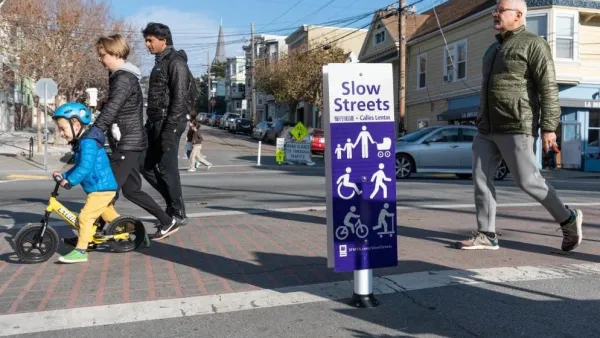
San Francisco Suspends Traffic Calming Amidst Record Deaths
Citing “a challenging fiscal landscape,” the city will cease the program on the heels of 42 traffic deaths, including 24 pedestrians.

Defunct Pittsburgh Power Plant to Become Residential Tower
A decommissioned steam heat plant will be redeveloped into almost 100 affordable housing units.

Trump Prompts Restructuring of Transportation Research Board in “Unprecedented Overreach”
The TRB has eliminated more than half of its committees including those focused on climate, equity, and cities.

Amtrak Rolls Out New Orleans to Alabama “Mardi Gras” Train
The new service will operate morning and evening departures between Mobile and New Orleans.

Urban Design for Planners 1: Software Tools
This six-course series explores essential urban design concepts using open source software and equips planners with the tools they need to participate fully in the urban design process.
Planning for Universal Design
Learn the tools for implementing Universal Design in planning regulations.

Heyer Gruel & Associates PA
JM Goldson LLC
Custer County Colorado
City of Camden Redevelopment Agency
City of Astoria
Transportation Research & Education Center (TREC) at Portland State University
Jefferson Parish Government
Camden Redevelopment Agency
City of Claremont