






















A conference held in London last Tuesday, called "Planet Under Pressure," provided a forum to begin to answer the question, reports Roxanne Palmer.


With the world's population increasing by an estimated 1 million additional people each week for the next 38 years, its imperative that public leaders and planners provide spaces for the growing population in the most socially and environmentally sensitive ways possible. And, as Palmer notes, experts at the conference agreed that the American model of urban sprawl must be resisted.
According to Karen Seto, a professor of urban environment at Yale University. "The North American suburb has gone global, and car-dependent urban developments are more and more the norm. The way cities have grown since World War II is neither socially [nor] environmentally sustainable."
According to Palmer, conference attendees agreed that efficiency and density will be keys to solving the population growth crisis.
"That means more planning and investment in public infrastructure, including mass transit, and land-use zoning and building standards that encourage multiple uses of space. Buildings and land are only part of the equation, though; denser cities will require efficient mechanisms to combat poverty, crime and threats to public health, the scientists say."
FULL STORY: Denser, More Efficient Cities Key To Coping With Population Explosion: Experts

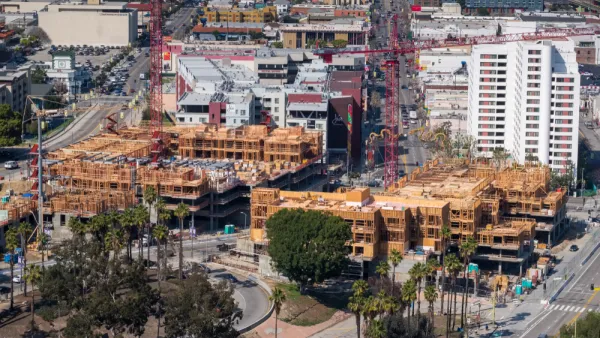
Census Data Reveal Increasing Density in the U.S.—Reversing a Two-Decade Trend
The New York Times is calling 2010 to 2020 the "Downtown Decade."
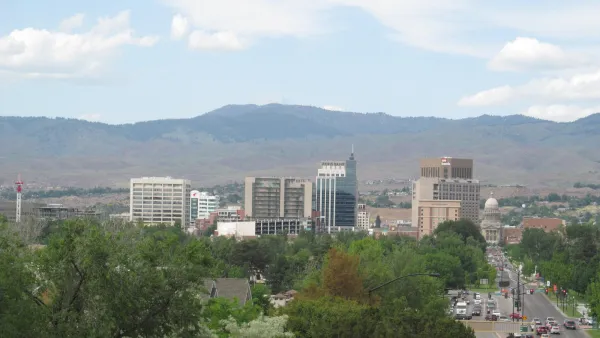
Housing Affordability Challenges Visit Idaho
Boise and surrounding cities are going to need new housing to meet the demand of tens of thousands of new residents in the coming years.

Boulder Eliminates Parking Minimums Citywide
Officials estimate the cost of building a single underground parking space at up to $100,000.

Planetizen Federal Action Tracker
A weekly monitor of how Trump’s orders and actions are impacting planners and planning in America.
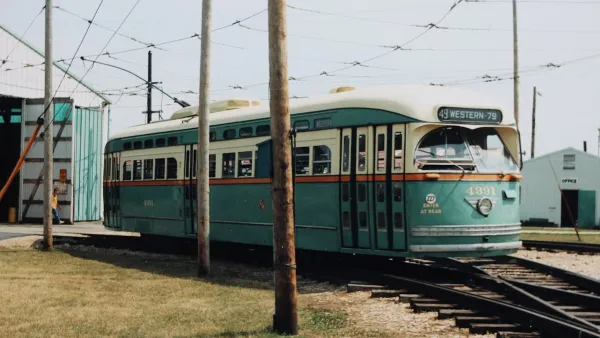
Chicago’s Ghost Rails
Just beneath the surface of the modern city lie the remnants of its expansive early 20th-century streetcar system.
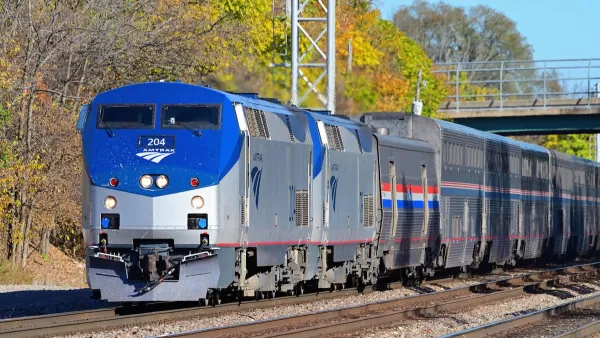
Amtrak Cutting Jobs, Funding to High-Speed Rail
The agency plans to cut 10 percent of its workforce and has confirmed it will not fund new high-speed rail projects.

Ohio Forces Data Centers to Prepay for Power
Utilities are calling on states to hold data center operators responsible for new energy demands to prevent leaving consumers on the hook for their bills.

MARTA CEO Steps Down Amid Citizenship Concerns
MARTA’s board announced Thursday that its chief, who is from Canada, is resigning due to questions about his immigration status.

Silicon Valley ‘Bike Superhighway’ Awarded $14M State Grant
A Caltrans grant brings the 10-mile Central Bikeway project connecting Santa Clara and East San Jose closer to fruition.

Urban Design for Planners 1: Software Tools
This six-course series explores essential urban design concepts using open source software and equips planners with the tools they need to participate fully in the urban design process.
Planning for Universal Design
Learn the tools for implementing Universal Design in planning regulations.

Caltrans
City of Fort Worth
Mpact (founded as Rail~Volution)
City of Camden Redevelopment Agency
City of Astoria
City of Portland
City of Laramie