





















Jason Kambitsis speaks with Bruce Katz, the founding director of the Brookings Metropolitan Policy Program, about his advocacy for taking a fundamentally different approach to urban development based on economic diversification.


While many might quibble with Katz's argument that cities have done well enough in providing the physical spaces necessary for well functioning cities, he makes a provocative argument for urban development based on the transformation of economic environments, rather than physical ones.
Eluding to examples of cities building their economies on a foundation of innovation and production, including New York, Northeast Ohio, and Seattle, Katz argues for the need for cities to move "away from the service and real estate sectors and...look toward the tradable economy for sustained growth."
According to Katz, the implications for planners and designers are profound. "Economy shaping is going require a new kind of placemaking...You can't just focus on housing and transit in the core of a city, you need to focus on the physical needs of manufacturing, development and the needs that go along with them. That will clearly have a huge effect not only on the city but regional level."
FULL STORY: Bruce Katz: Better Economic Structure Will Save the City


For Uber, Lawsuits in Seattle and New York Drag On
The transportation network company is facing an ongoing legal battle over its drivers’ right to unionize in Seattle and an antitrust lawsuit in New York.

If Housing Affordability Is Top Concern, Let Metro Regions Sprawl
Research from BuildZoom, a San Francisco-based contractors' website, shows that housing affordability increases with a region's ability to build outwards, as opposed to upwards. Densification largely has not accompanied efforts to curb sprawl.
Alta Bicycle Share Changes its Name
Alta Bicycle Share is now known as Motivate. So let it be written. So let it be done.

Planetizen Federal Action Tracker
A weekly monitor of how Trump’s orders and actions are impacting planners and planning in America.
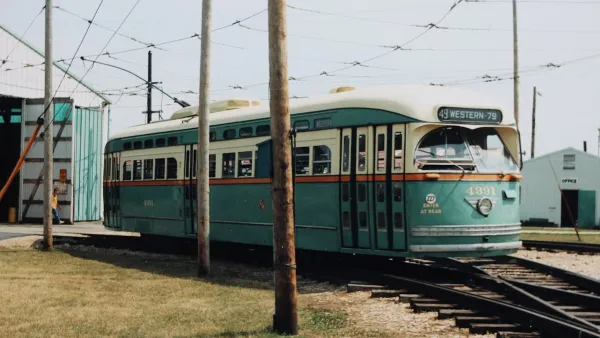
Chicago’s Ghost Rails
Just beneath the surface of the modern city lie the remnants of its expansive early 20th-century streetcar system.
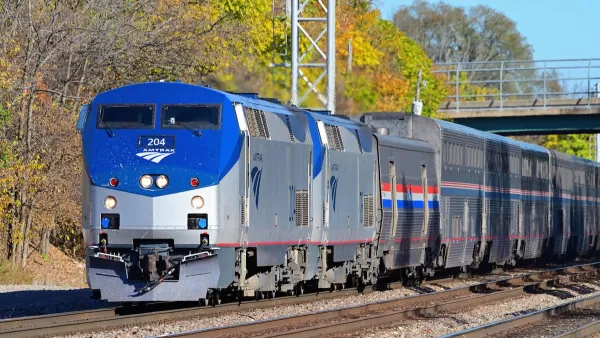
Amtrak Cutting Jobs, Funding to High-Speed Rail
The agency plans to cut 10 percent of its workforce and has confirmed it will not fund new high-speed rail projects.

Ohio Forces Data Centers to Prepay for Power
Utilities are calling on states to hold data center operators responsible for new energy demands to prevent leaving consumers on the hook for their bills.

MARTA CEO Steps Down Amid Citizenship Concerns
MARTA’s board announced Thursday that its chief, who is from Canada, is resigning due to questions about his immigration status.

Silicon Valley ‘Bike Superhighway’ Awarded $14M State Grant
A Caltrans grant brings the 10-mile Central Bikeway project connecting Santa Clara and East San Jose closer to fruition.

Urban Design for Planners 1: Software Tools
This six-course series explores essential urban design concepts using open source software and equips planners with the tools they need to participate fully in the urban design process.
Planning for Universal Design
Learn the tools for implementing Universal Design in planning regulations.

Caltrans
City of Fort Worth
Mpact (founded as Rail~Volution)
City of Camden Redevelopment Agency
City of Astoria
City of Portland
City of Laramie