























The prior code, adopted in 1962 and amended with with nearly 1,000 ad-hoc revisions since then, required a strict separation of uses and outlawed the classic Philadelphia rowhouse typology.


According to David Morley, writing for the APA Sustaining Places blog, the prior code was also seen as a major barrier to investment. The new code, nearly five years in the making, has been streamlined and is geared towards encouraging sustainability, protecting neighborhoods, and promoting quality and design.
While a successful document in many ways, Morley finds it somewhat odd that zoning reform will be enacted ahead of completion of the city's concurrent comprehensive planning effort: the Philadelphia 2035 Citywide Vision.
"In some ways, the approach of simultaneous plan making and zoning reform sounds ideal. The time for completing both projects is shorter and there were many opportunities for participants to see relationships between planning themes and zoning provisions. In other ways, it seems a little strange. The planning team and the zoning team operated independently, and specific plan policies generally followed the development of specific zoning standards, rather than vice versa."
FULL STORY: Promoting Sustainability through Zoning Reform in Philadelphia

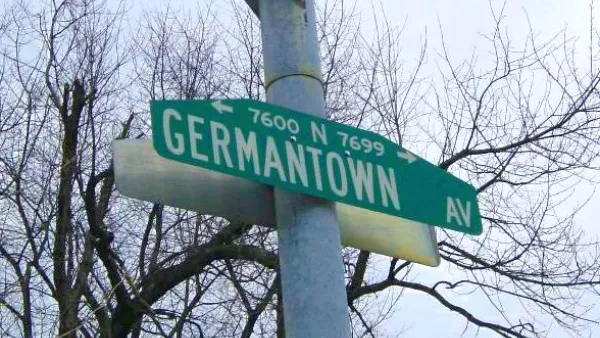
Neighborhood Rezoning Proposal at Odds With Philadelphia's Comprehensive Plan
While planning departments around the country make news for removing exclusionary zoning and parking requirements, many neighborhoods still show a strong preference for parking minimums and development limits. Case in point: Germantown, Philadelphia.
Planning Case Study: the Philadelphia2035 River Wards District Plan
Philadelphia planners are halfway through the Philadelphia2035 River Wards District Plan, which will help guide development and investment for a broad swath of troubled neighborhoods proximate to the Delaware River.
Strategic Plan for Philadelphia Land Bank Gains Approval
By all accounts, the Philadelphia Land Bank has completed a high quality strategic plan to guide its actions over the coming years.

Planetizen Federal Action Tracker
A weekly monitor of how Trump’s orders and actions are impacting planners and planning in America.
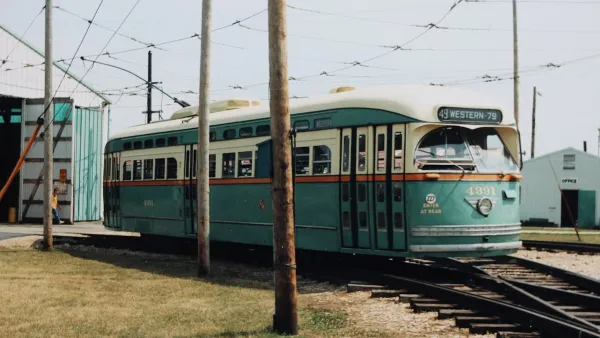
Chicago’s Ghost Rails
Just beneath the surface of the modern city lie the remnants of its expansive early 20th-century streetcar system.

Amtrak Cutting Jobs, Funding to High-Speed Rail
The agency plans to cut 10 percent of its workforce and has confirmed it will not fund new high-speed rail projects.

Ohio Forces Data Centers to Prepay for Power
Utilities are calling on states to hold data center operators responsible for new energy demands to prevent leaving consumers on the hook for their bills.

MARTA CEO Steps Down Amid Citizenship Concerns
MARTA’s board announced Thursday that its chief, who is from Canada, is resigning due to questions about his immigration status.

Silicon Valley ‘Bike Superhighway’ Awarded $14M State Grant
A Caltrans grant brings the 10-mile Central Bikeway project connecting Santa Clara and East San Jose closer to fruition.

Urban Design for Planners 1: Software Tools
This six-course series explores essential urban design concepts using open source software and equips planners with the tools they need to participate fully in the urban design process.
Planning for Universal Design
Learn the tools for implementing Universal Design in planning regulations.

Caltrans
City of Fort Worth
Mpact (founded as Rail~Volution)
City of Camden Redevelopment Agency
City of Astoria
City of Portland
City of Laramie