


























While many stories have been written about Detroit's turnaround, it took the top spot on Forbes list of most dangerous cities. Detroit had 1,111 violent crimes reported per 100,000 residents, which included 345 murders, writes John Giuffo.


While many cities remain the "most dangerous," a nationwide drop in crime has actually improved the cities with the most violence. The second on the list Memphis, Tenn., with 1,006 violent crimes per 100,000 residents, was down from 1,146 last year.
"It's commonly expected that crime will rise as economic conditions worsen, but that hasn't been the case in the U.S. – violent crime has fallen for the past four years. In 2010, murder was down 4%, rape fell 5%, robbery dropped 10%, and aggravated assault fell 4%, according to the FBI."
Forbes list used FBI data from "four categories of violent crimes: murder and non-negligent manslaughter; forcible rape; robbery; and aggravated assault."
FULL STORY: America's Most Dangerous Cities

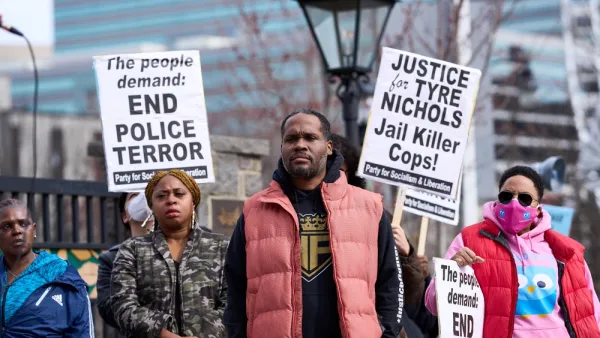
Memphis: Crime-fighting Camera Sheds Light on Police Abuse
The irony is unmistakable. Public surveillance cameras, long controversial in the criminal justice community, provided pivotal video footage of the beating of motorist Tyre Nichols by five Memphis police officers at a traffic stop on January 7.

Which Cities Are Becoming More Violent?
Some cities have become significantly more violent since the George Floyd protests began—but not all. Why have some cities been more successful than others?

Rebuilding Civic Spaces: Going Small To Get Big Results
A $40 million investment is being split between four cities—Memphis, Chicago, Akron, and Detroit—with the hopes of making big impacts for the community by revitalizing and/or repurposing exiting civic spaces.

Planetizen Federal Action Tracker
A weekly monitor of how Trump’s orders and actions are impacting planners and planning in America.

Chicago’s Ghost Rails
Just beneath the surface of the modern city lie the remnants of its expansive early 20th-century streetcar system.
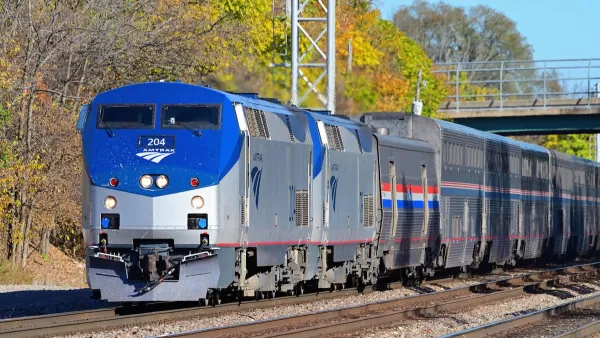
Amtrak Cutting Jobs, Funding to High-Speed Rail
The agency plans to cut 10 percent of its workforce and has confirmed it will not fund new high-speed rail projects.

Ohio Forces Data Centers to Prepay for Power
Utilities are calling on states to hold data center operators responsible for new energy demands to prevent leaving consumers on the hook for their bills.

MARTA CEO Steps Down Amid Citizenship Concerns
MARTA’s board announced Thursday that its chief, who is from Canada, is resigning due to questions about his immigration status.

Silicon Valley ‘Bike Superhighway’ Awarded $14M State Grant
A Caltrans grant brings the 10-mile Central Bikeway project connecting Santa Clara and East San Jose closer to fruition.

Urban Design for Planners 1: Software Tools
This six-course series explores essential urban design concepts using open source software and equips planners with the tools they need to participate fully in the urban design process.
Planning for Universal Design
Learn the tools for implementing Universal Design in planning regulations.

Caltrans
City of Fort Worth
Mpact (founded as Rail~Volution)
City of Camden Redevelopment Agency
City of Astoria
City of Portland
City of Laramie