Preservation will have to include a more diverse and multi-ethnic population in order to stay relevant, writes Kenneth Caldwell for The Architect's Newspaper.


Stephanie Meeks, the second-year National Trust for Historic Preservation executive director, is trying to reshape the landscape of preservation to be more inclusive of minority cultures.
"'Our movement does not reflect a multi-ethnic reality,' she said."
"She understands that for preservation to be relevant to most Americans in the 21st century it will have to take on more than aesthetics and architectural objects and also incorporate the political and cultural life of non-whites and other minorities."
"Meeks laid out five pathways for achieving a more diverse preservation community, beginning with diversifying the Trust itself."
Read the full story: Saving Difference
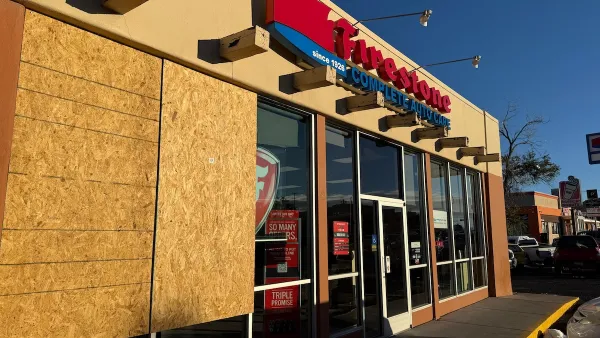
Avoiding Misplacement of a Place
To balance the interests of current residents and economic well-being, does a city's signature identity need an update?

Preserving Endangered Historic Sites
How the America’s Most Endangered Places list helps bring important stories out of obscurity.
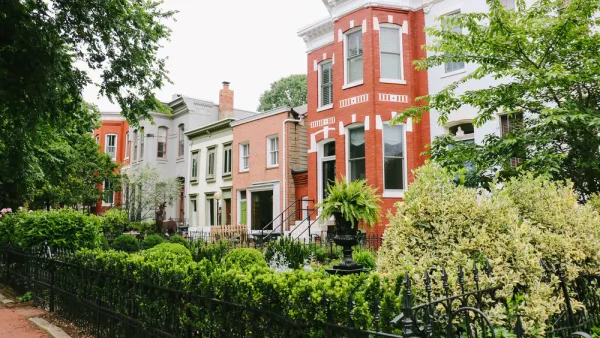
Balancing Aesthetics and Affordability
Policies too narrowly focused on design can drive up the cost of construction and prevent the development of affordable housing.

Planetizen Federal Action Tracker
A weekly monitor of how Trump’s orders and actions are impacting planners and planning in America.

Eastern Nebraska is running out of electricity
Data centers and electrification are straining eastern Nebraska’s grid, throttling economic development.

Study reveals best places in the U.S. for cycling, walking
New research from Streetlight Data examines bicycle and pedestrian miles per capita in the 100 largest U.S. cities by population.

DSA members accuse Mamdani of 'abandoning values' over housing redevelopment
New York City's mayor plans to replace about 2,000 units of public housing with private, mixed-income housing.

All sides of BRT debate unhappy with CDOT’s most recent move
The Colorado Department of Transportation is no longer considering center-running bus lanes for Colorado Boulevard.

Massachusetts bogs generate both power, and cranberries
Putting solar panels above farmland is one way Massachusetts is advancing toward its goal of net-zero carbon emissions by 2050.

FREE Course: Walkable City 1: Why Walkability?
After describing his path towards focusing on walkability as the essence of good planning, Jeff Speck marches through his five principal reasons for making more walkable places.
Reinventing Malls: Planning Alchemy—Turning Gray Fields Into Gold
The course focuses on the opportunities and imperatives that shape reinvention of mall sites.

City of Rosemead
Rutgers University, Edward J. Bloustein School of Planning and Public Policy
One Hundred Miles
University of Michigan School for Environment and Sustainability (SEAS)
Hunter College, City University of New York (CUNY)
The Architects Foundation
City of Cambridge
The Pocatello Development Authority
The Urban Renewal Agency of the City of Pocatello