





















Jon Hockenyos makes a radical proposal that cities should establish their own terms for how much local property is worth, free of "market value", in order to unstick frozen property markets.


Hockneyos writes, "...it might be possible to form a consortium of local (ideally, locally-owned) banks who could agree on some common standards for valuing real estate for collateral purposes (perhaps some figure at, or close to, the appraised value of the property for tax purposes). This is a departure from standard practice, as the 'market' value of the property is generally considered the appropriate measure. However, right now there is no market in many places, and the absence of transactions makes an accurate measure of the market value impossible much of the time."
FULL STORY: Community Economic Recovery May Demand Unique New Rules

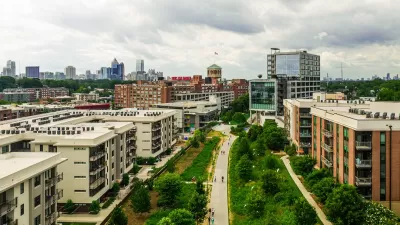
Beltline Surpasses Annual Affordable Housing Goal
The Atlanta Beltline agency is actively working to prevent the displacement of longtime residents along the trail system, where property values are rising rapidly.
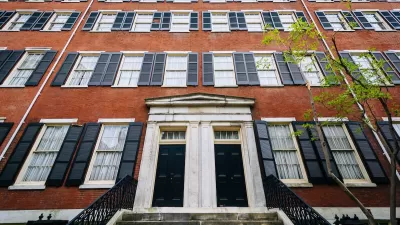
Philly Residents Push Back on New Historic Preservation District
Some residents of Philadelphia’s newly designated Washington Square West Historic District say the community was left out of the decision-making process that could impact housing costs and building requirements.

Study: Midwest Property Values Unaffected by Nearby Solar Farms
Despite concerns that solar projects could lower property values, new research finds they actually rose slightly in areas near utility-scale solar installations.

Maui's Vacation Rental Debate Turns Ugly
Verbal attacks, misinformation campaigns and fistfights plague a high-stakes debate to convert thousands of vacation rentals into long-term housing.

Planetizen Federal Action Tracker
A weekly monitor of how Trump’s orders and actions are impacting planners and planning in America.
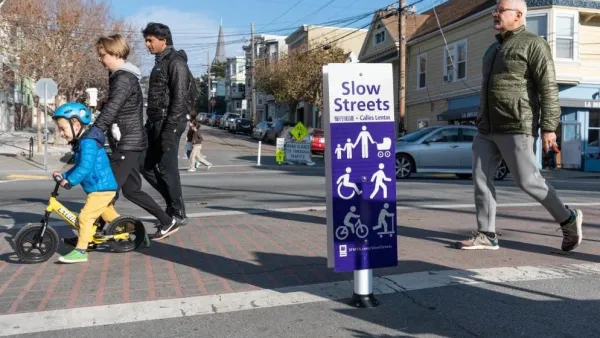
San Francisco Suspends Traffic Calming Amidst Record Deaths
Citing “a challenging fiscal landscape,” the city will cease the program on the heels of 42 traffic deaths, including 24 pedestrians.

Defunct Pittsburgh Power Plant to Become Residential Tower
A decommissioned steam heat plant will be redeveloped into almost 100 affordable housing units.

Trump Prompts Restructuring of Transportation Research Board in “Unprecedented Overreach”
The TRB has eliminated more than half of its committees including those focused on climate, equity, and cities.

Amtrak Rolls Out New Orleans to Alabama “Mardi Gras” Train
The new service will operate morning and evening departures between Mobile and New Orleans.

Urban Design for Planners 1: Software Tools
This six-course series explores essential urban design concepts using open source software and equips planners with the tools they need to participate fully in the urban design process.
Planning for Universal Design
Learn the tools for implementing Universal Design in planning regulations.

Heyer Gruel & Associates PA
JM Goldson LLC
Custer County Colorado
City of Camden Redevelopment Agency
City of Astoria
Transportation Research & Education Center (TREC) at Portland State University
Jefferson Parish Government
Camden Redevelopment Agency
City of Claremont