


























Prospect Plaza, three public housing towers in Brooklyn, were vacated in 2003 for refurbishment. NYC has long renovated their public housing towers instead of tearing them down, so the announcement marks a major change for the city.


The city defends its decision from a purely economic standpoint.
Manny Fernandez writes, "Ilene Popkin, the agency's assistant deputy general manager for development, said it would cost $481,000 to renovate each of the 269 apartments. Demolishing the structures and building 361 new units would cost $381,700 per unit. Ms. Popkin and other officials said the three buildings had deteriorated from vandalism and exposure to the elements, and were out of context with the neighborhood. The new apartments - including public and private housing, not only for the poor but also for low-income and moderate-income families - are likely to be built in low-rise buildings."
Thanks to Rachel Thompson
FULL STORY: New York City Plans to Topple Public Housing Towers


How Atlanta Built 7,000 Housing Units in 3 Years
The city’s comprehensive, neighborhood-focused housing strategy focuses on identifying properties and land that can be repurposed for housing and encouraging development in underserved neighborhoods.

Museum of Public Housing Opens in Chicago
The museum highlights the history of public housing in the United States using displays intimately woven with family artifacts.

What ‘The Brutalist’ Teaches Us About Modern Cities
How architecture and urban landscapes reflect the trauma and dysfunction of the post-war experience.

Planetizen Federal Action Tracker
A weekly monitor of how Trump’s orders and actions are impacting planners and planning in America.
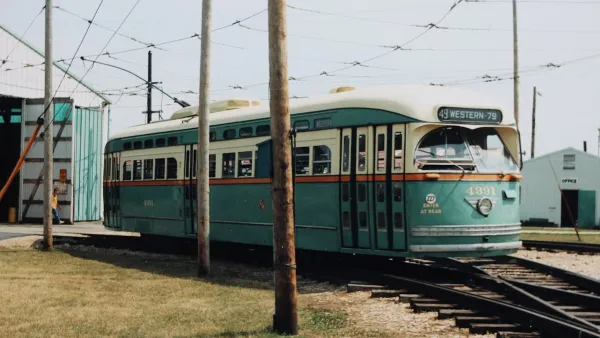
Chicago’s Ghost Rails
Just beneath the surface of the modern city lie the remnants of its expansive early 20th-century streetcar system.

Amtrak Cutting Jobs, Funding to High-Speed Rail
The agency plans to cut 10 percent of its workforce and has confirmed it will not fund new high-speed rail projects.

Ohio Forces Data Centers to Prepay for Power
Utilities are calling on states to hold data center operators responsible for new energy demands to prevent leaving consumers on the hook for their bills.

MARTA CEO Steps Down Amid Citizenship Concerns
MARTA’s board announced Thursday that its chief, who is from Canada, is resigning due to questions about his immigration status.

Silicon Valley ‘Bike Superhighway’ Awarded $14M State Grant
A Caltrans grant brings the 10-mile Central Bikeway project connecting Santa Clara and East San Jose closer to fruition.

Urban Design for Planners 1: Software Tools
This six-course series explores essential urban design concepts using open source software and equips planners with the tools they need to participate fully in the urban design process.
Planning for Universal Design
Learn the tools for implementing Universal Design in planning regulations.

Caltrans
City of Fort Worth
Mpact (founded as Rail~Volution)
City of Camden Redevelopment Agency
City of Astoria
City of Portland
City of Laramie