
























Lawns - long known to be the main culprit in urban water consumption, now can be blamed for another environmental woe - greenhouse gas producer in excess of whatever carbon it 'sinks'. The gas is nitrous oxide - 300 times more potent than CO2.


Grass, like most plants, has long been thought as instrumental to counteracting global warming by sequestering atmospheric carbon into the soil as well as converting carbon dioxide into oxygen. In this University of California at Irvine study, soon to be published in the journal Geophysical Research Letters, shows that the lawns cause far more emissions than they store in the soil.
"(G)reenhouse gas emissions from fertilizer production, mowing, leaf blowing and other lawn management practices are four times greater than the amount of carbon stored by ornamental grass in parks, a UC Irvine study shows. These emissions include nitrous oxide released from soil after fertilization. Nitrous oxide is a greenhouse gas that's 300 times more powerful than carbon dioxide."
Thanks to Bob Maginnis
FULL STORY: Urban 'green' spaces may contribute to global warming, UCI study finds


Fossil Fuel-Based Artificial Turf Raises Concerns
Cities and states are rolling back support for artificial turf, which can leach chemicals and microplastics into groundwater.

California Agency Awards $38 Million for Turf Replacement
The grant funds grass replacement rebates for commercial and residential properties and water-saving devices for fire stations.
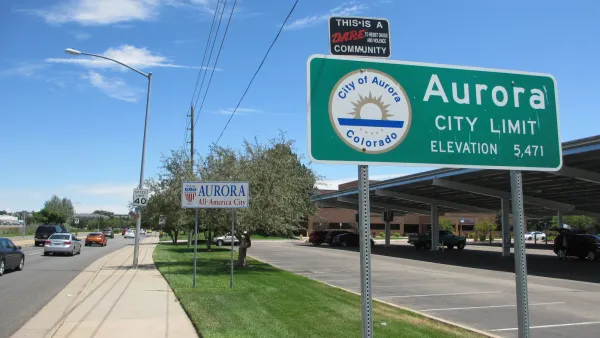
Aurora Restricts ‘Cool Weather Turf’ For New Development
Drought is reshaping western U.S. landscapes. Las Vegas banned ornamental grass in 2021. Aurora is now the first municipality in Colorado to curb the use of some grasses in new developments.

Planetizen Federal Action Tracker
A weekly monitor of how Trump’s orders and actions are impacting planners and planning in America.
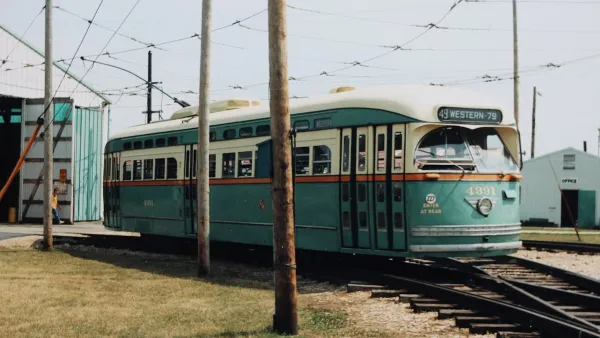
Chicago’s Ghost Rails
Just beneath the surface of the modern city lie the remnants of its expansive early 20th-century streetcar system.
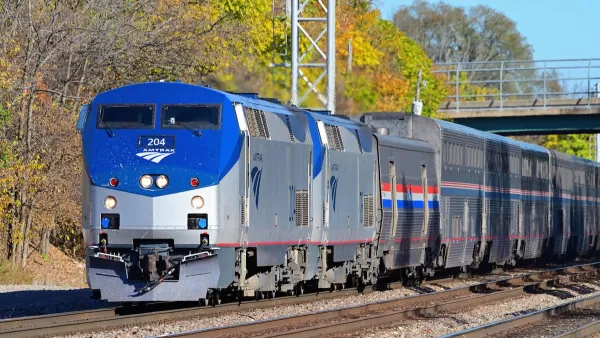
Amtrak Cutting Jobs, Funding to High-Speed Rail
The agency plans to cut 10 percent of its workforce and has confirmed it will not fund new high-speed rail projects.

Ohio Forces Data Centers to Prepay for Power
Utilities are calling on states to hold data center operators responsible for new energy demands to prevent leaving consumers on the hook for their bills.

MARTA CEO Steps Down Amid Citizenship Concerns
MARTA’s board announced Thursday that its chief, who is from Canada, is resigning due to questions about his immigration status.

Silicon Valley ‘Bike Superhighway’ Awarded $14M State Grant
A Caltrans grant brings the 10-mile Central Bikeway project connecting Santa Clara and East San Jose closer to fruition.

Urban Design for Planners 1: Software Tools
This six-course series explores essential urban design concepts using open source software and equips planners with the tools they need to participate fully in the urban design process.
Planning for Universal Design
Learn the tools for implementing Universal Design in planning regulations.

Caltrans
City of Fort Worth
Mpact (founded as Rail~Volution)
City of Camden Redevelopment Agency
City of Astoria
City of Portland
City of Laramie