

























A new study out in JAPA this week details the fire codes, zoning codes, subdivision regulations, etc., that prevent manufactured housing from being built.


Casey J. Dawkins and Theodore Koebel of the Metropolitan Institute at Virginia Polytechnic Institute and State University argue that manufactured housing could very useful in creating affordable housing, but the deck is stacked against it.
From JAPA: "The potential for manufactured housing to expand the affordable housing supply in metropolitan areas depends on a variety of factors, several of which planners influence. Many places adopted restrictive or exclusionary regulations because manufactured housing units were perceived to be temporary structures that could be moved from site to site and to be suitable for rural areas or trailer parks but not for city neighborhoods. Despite improvements in the quality and visual appeal of manufactured housing, restrictive land use and design regulations in urban and suburban jurisdictions limit the number of locations where manufactured housing can be placed, impose additional onsite installation standards and other design requirements that do not pertain to site-built units, and, in some cases, continue to prohibit the use of manufactured housing units altogether."
FULL STORY: Overcoming Barriers to Placing Manufactured Housing in Metropolitan Communities

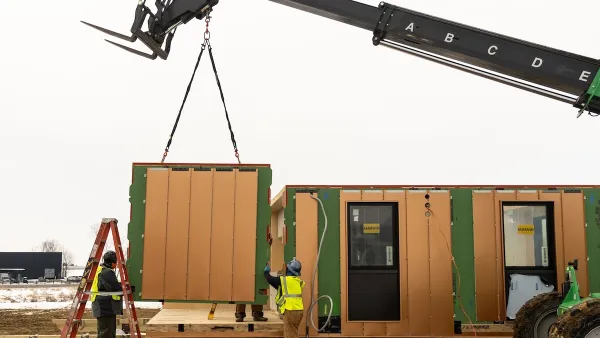
Commentary: New Bill Holds Key to Solving US Housing Crisis. We Just Have to Pass It.
Two bills currently moving through Congress could make mass production of prefabricated, affordable housing possible on a large scale.

Colorado Cities Seek to Address Housing Crisis With Modular Housing, STR Rules
Cities are incentivizing more affordable housing types and limiting permits for short-term rentals in an effort to keep housing affordable for residents.

Lessons on the Future of Prefab Housing from Japan
When it comes to prefabricated housing, Japan is far ahead of the rest of the world. Will techniques from Japan's efficient modular home manufacturers inform a growing prefab industry in the United States?

Planetizen Federal Action Tracker
A weekly monitor of how Trump’s orders and actions are impacting planners and planning in America.
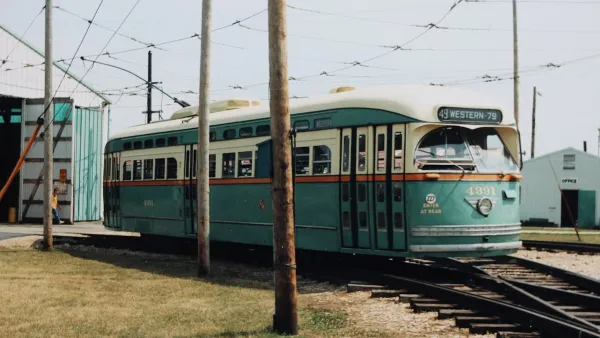
Chicago’s Ghost Rails
Just beneath the surface of the modern city lie the remnants of its expansive early 20th-century streetcar system.
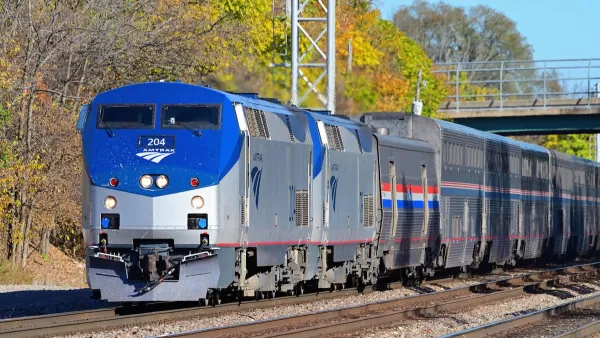
Amtrak Cutting Jobs, Funding to High-Speed Rail
The agency plans to cut 10 percent of its workforce and has confirmed it will not fund new high-speed rail projects.

Ohio Forces Data Centers to Prepay for Power
Utilities are calling on states to hold data center operators responsible for new energy demands to prevent leaving consumers on the hook for their bills.

MARTA CEO Steps Down Amid Citizenship Concerns
MARTA’s board announced Thursday that its chief, who is from Canada, is resigning due to questions about his immigration status.

Silicon Valley ‘Bike Superhighway’ Awarded $14M State Grant
A Caltrans grant brings the 10-mile Central Bikeway project connecting Santa Clara and East San Jose closer to fruition.

Urban Design for Planners 1: Software Tools
This six-course series explores essential urban design concepts using open source software and equips planners with the tools they need to participate fully in the urban design process.
Planning for Universal Design
Learn the tools for implementing Universal Design in planning regulations.

Caltrans
City of Fort Worth
Mpact (founded as Rail~Volution)
City of Camden Redevelopment Agency
City of Astoria
City of Portland
City of Laramie