Agricultural investors are buying up abandoned and empty land in Detroit -- making a big wager on the future of the city as a farm town.


Hantz Farms is buying up property in the city and hoping to establish a large-scale commercial farming operation.
"Large gardens and small farms -- usually 10 acres or less -- have cropped up in thriving cities such as Berkeley, where land is tough to come by, and struggling Rust Belt communities such as Flint, Mich., which hopes to encourage green space development and residents to eat locally grown foods.
In Detroit, hundreds of backyard gardens and scores of community gardens have blossomed and helped feed students in at least 40 schools and hundreds of families.
It is the size and scope of Hantz Farms that makes the project unique. Although company officials declined to pinpoint how many acres they might use, they have been quoted as saying that they plan to farm up to 5,000 acres within the Motor City's limits in the coming years, raising organic lettuces, trees for biofuel and a variety of other things."
Read the full story: Investors see farms as way to grow Detroit

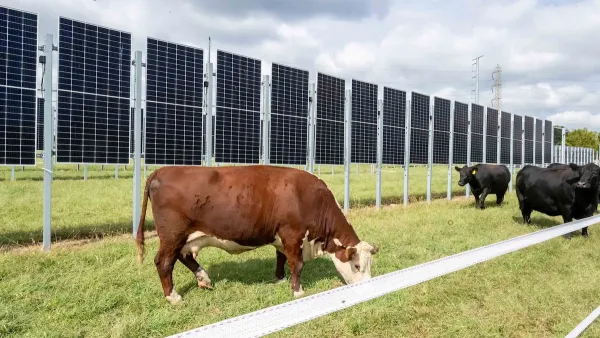
New Jersey Agrivoltaic Project Combines Solar Energy With Farming
A Rutgers University-New Brunswick demonstration farm will evaluate solar array designs to understand how they can best support grazing and agriculture on the same site.
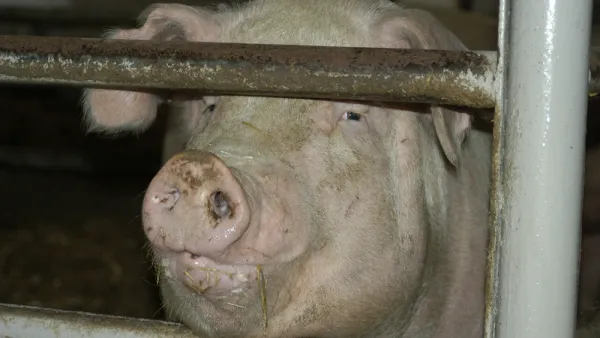
When Pennsylvania's 'Right to Farm' Means Living With the Pigs Next Door
New residents to formerly agricultural area are trying to shut down a hog-feeding operation, but so far without much success.

The Real Cost of Clean Water in One Kansas Town
Pretty Prairie has water with very high levels of nitrates, and lots of farmers that need to use nitrates if they want to keep the local economy going.

Planetizen Federal Action Tracker
A weekly monitor of how Trump’s orders and actions are impacting planners and planning in America.

Data reveals that NYC’s bet on congestion pricing has paid off
After almost two years of the program, reports show positive impacts on traffic and air quality and no disruptions to parking.
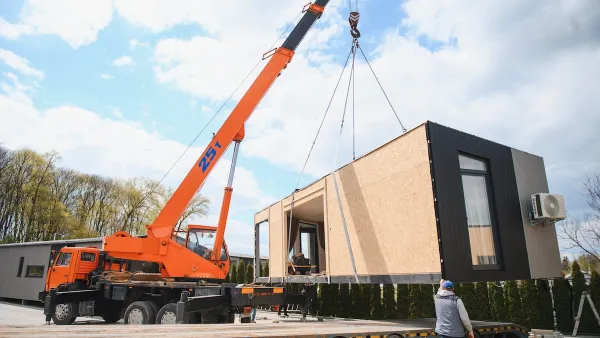
HUD modernizes 50-year-old manufactured housing framework
The Next Generation Manufactured Housing Action Plan establishes new energy-efficiency standards for manufactured homes, and new guidelines for anchoring them.

California voters weigh $11.25 billion housing bond
Prop. 1, combined with other funding, would support over 40,000 new rental units in California.

Connecticut is turning landfills into green infrastructure
Twenty-nine solar arrays have been built, or approved to be built, on top of Connecticut landfills.

Trump guts ‘win-win’ solar energy program for rural farmers
The U.S. Department of Agriculture’s changes have made virtually all solar power ineligible for funding through the Rural Energy for America Program.

FREE Course: Walkable City 1: Why Walkability?
After describing his path towards focusing on walkability as the essence of good planning, Jeff Speck marches through his five principal reasons for making more walkable places.
Reinventing Malls: Planning Alchemy—Turning Gray Fields Into Gold
The course focuses on the opportunities and imperatives that shape reinvention of mall sites.

One Hundred Miles
County of Mendocino
planning NEXT
The Architects Foundation
University of Cincinnati Online
Montrose County
Northern Illinois Transit Authority (NITA)
The Pocatello Development Authority