


















Parks and trails can be used to create low carbon cities.


While there are some environmental benefits to more trees and green spaces, parks may have a more substantial effect on reducing the impact of the way we live through creating cities where people want to be – anchoring denser, more walkable communities that consume less energy and generate fewer greenhouse gases.
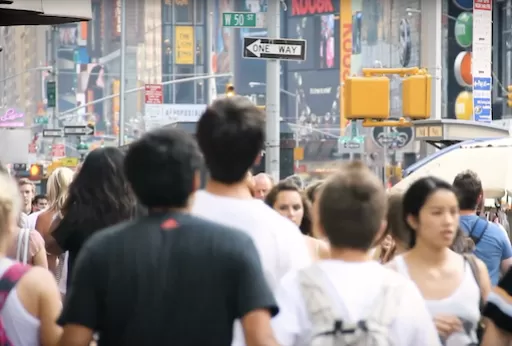
The article mentions several studies have shown that living in more compact settings can reduce emissions from transportation. But assuming this smarter growth pattern, there will be more apartments and townhouses and fewer, smaller private yards. The desire for more trees in the public realm will rise. Residents of yardless dwellings will be anxious to have green spaces and public places to relax, recreate and socialize outdoors. Transit facilities and use will increase, and pedestrian and bikers will want safe routes. For these and many other reasons there will be much more pressure for park systems that are beautiful, well-managed, nearby and accessible.
The article indicates a role of city park systems in studying and setting standards for resident walkability to parks; creating trail systems that allow residents to get around without cars; using parks within new infill development to increase quality of life and draw investment; thinking innovatively about creating new parks (e.g. schoolyards) and lastly, retooling streets and existing parks to improve the public realm.
FULL STORY: Connecting City Parks to Global Warming

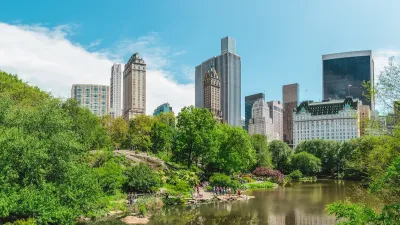
Public Parks as Climate Resilience Tools
Designed with green infrastructure, parks can mitigate flooding, reduce urban heat, and enhance climate resilience, offering cost-effective solutions to environmental challenges while benefiting communities.
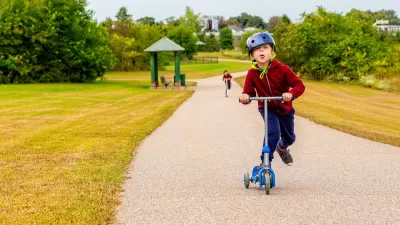
Parks as Community Lifelines: Supporting Residents During Times of Crisis
The Los Angeles County Department of Parks and Recreation demonstrates how parks serve as vital community infrastructure by adapting to crises, offering public health services, disaster relief, and essential support for residents in need.
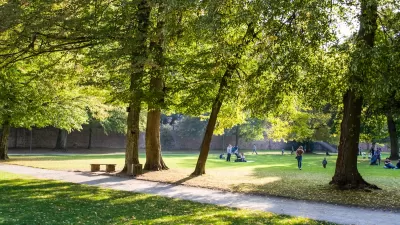
Advancing Sustainability and Resilience Through Parks
The Urban Land Institute offers fact sheets describing five innovative ways that parks can reduce carbon emissions and mitigate climate threats while advancing health, equity, and quality of life in urban areas.
Planetizen Federal Action Tracker
A weekly monitor of how Trump’s orders and actions are impacting planners and planning in America.
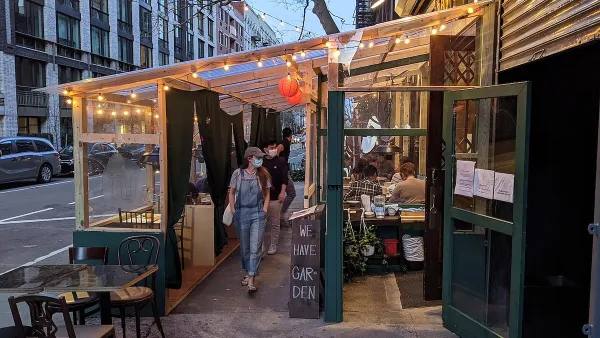
Restaurant Patios Were a Pandemic Win — Why Were They so Hard to Keep?
Social distancing requirements and changes in travel patterns prompted cities to pilot new uses for street and sidewalk space. Then it got complicated.
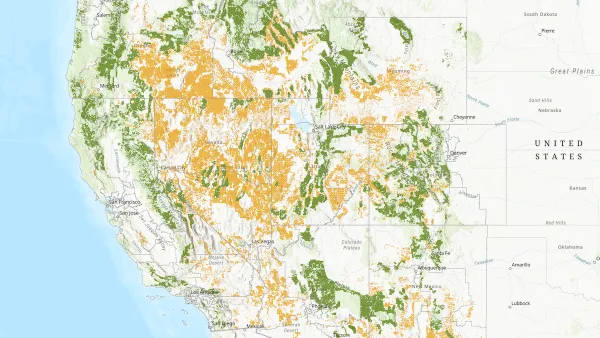
Map: Where Senate Republicans Want to Sell Your Public Lands
For public land advocates, the Senate Republicans’ proposal to sell millions of acres of public land in the West is “the biggest fight of their careers.”

Maui's Vacation Rental Debate Turns Ugly
Verbal attacks, misinformation campaigns and fistfights plague a high-stakes debate to convert thousands of vacation rentals into long-term housing.

San Francisco Suspends Traffic Calming Amidst Record Deaths
Citing “a challenging fiscal landscape,” the city will cease the program on the heels of 42 traffic deaths, including 24 pedestrians.

California Homeless Arrests, Citations Spike After Ruling
An investigation reveals that anti-homeless actions increased up to 500% after Grants Pass v. Johnson — even in cities claiming no policy change.

Urban Design for Planners 1: Software Tools
This six-course series explores essential urban design concepts using open source software and equips planners with the tools they need to participate fully in the urban design process.
Planning for Universal Design
Learn the tools for implementing Universal Design in planning regulations.

Heyer Gruel & Associates PA
JM Goldson LLC
Custer County Colorado
City of Camden Redevelopment Agency
City of Astoria
Transportation Research & Education Center (TREC) at Portland State University
Camden Redevelopment Agency
City of Claremont
Municipality of Princeton (NJ)