






















Architecture critic John King laments the could-have-been: a beautiful Toyo Ito museum designed for UC Berkeley and killed for financial reasons. And yet the un-built project represents a new connection between town and gown, says King.


King writes, "The city of Berkeley traditionally has acted as though its downtown bore no relation to UC, despite their shared border. The university repaid the favor by treating downtown like a back alley, necessary but of little note.
In the course of two years of design work, town and gown began to see how their interests are linked. Berkeley's long-struggling downtown can only benefit from the addition of a cultural anchor. As for the university, it now seems to grasp that in an age of urbanity and mass transit, there's a benefit to looking west."
FULL STORY: Cities full of unfilled architectural dreams

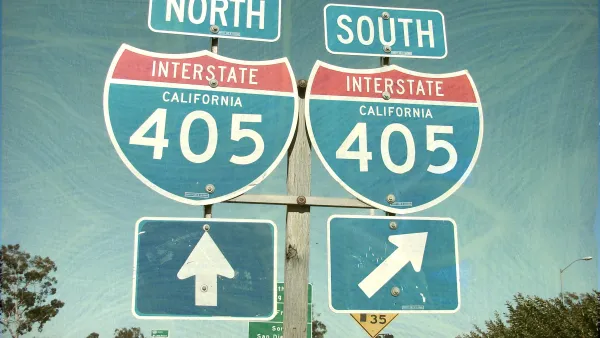
Toll Lane Rebellion Fails to Materialize in Southern California
The 405 Express Lanes will open in Orange County later this year despite the warnings from a former Huntington Beach mayor of a resident-led rebellion in response to road pricing. But will the toll lanes mitigate congestion? Academics weigh in.
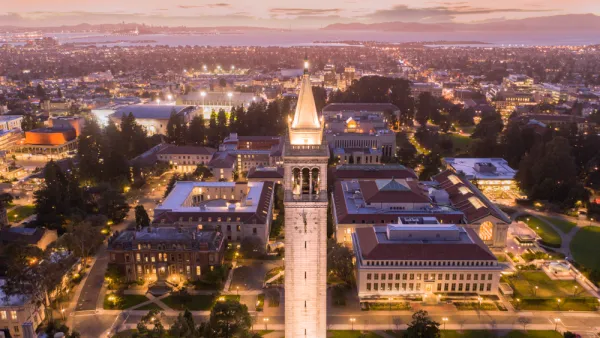
Opinion: How California’s Environmental Law Empowers NIMBYs
Critics of a new provision calling “social noise” an environmental impact say the law can too easily be co-opted by anti-housing groups to block new development.

Will CDC's Revised Guidance for Fully Vaccinated People Prolong the Pandemic?
The CDC abruptly changed its masking guidance on May 13 to further distinguish behavior for those who are fully vaccinated from those who are not, prompting states, counties and businesses to end indoor mask mandates and social distancing.

Planetizen Federal Action Tracker
A weekly monitor of how Trump’s orders and actions are impacting planners and planning in America.
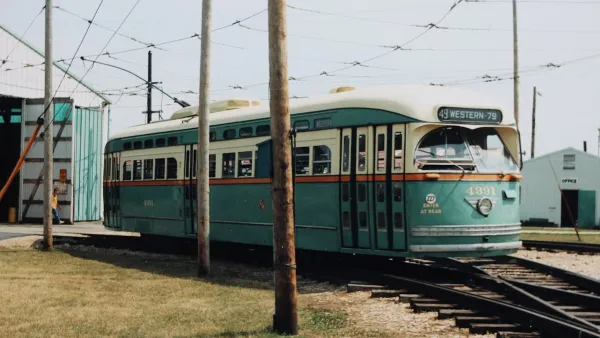
Chicago’s Ghost Rails
Just beneath the surface of the modern city lie the remnants of its expansive early 20th-century streetcar system.

Amtrak Cutting Jobs, Funding to High-Speed Rail
The agency plans to cut 10 percent of its workforce and has confirmed it will not fund new high-speed rail projects.

Ohio Forces Data Centers to Prepay for Power
Utilities are calling on states to hold data center operators responsible for new energy demands to prevent leaving consumers on the hook for their bills.

MARTA CEO Steps Down Amid Citizenship Concerns
MARTA’s board announced Thursday that its chief, who is from Canada, is resigning due to questions about his immigration status.

Silicon Valley ‘Bike Superhighway’ Awarded $14M State Grant
A Caltrans grant brings the 10-mile Central Bikeway project connecting Santa Clara and East San Jose closer to fruition.

Urban Design for Planners 1: Software Tools
This six-course series explores essential urban design concepts using open source software and equips planners with the tools they need to participate fully in the urban design process.
Planning for Universal Design
Learn the tools for implementing Universal Design in planning regulations.

Caltrans
City of Fort Worth
Mpact (founded as Rail~Volution)
City of Camden Redevelopment Agency
City of Astoria
City of Portland
City of Laramie