























A new film focuses on the life of a home designed by architect Rem Koolhaas for a client in a wheelchair, which radically redefines domestic living, and the results of the experiment when put to actual use.


Famed architecture critic Ada Louise Huxtable brings us this review of the film "Koolhaas Houselife."
"What we are really talking about are two houses: the one with the buffed and polished public image, dramatically photographed and perfectly photoshopped, ready for a fashion shoot on an ideal day; and the house where people live and deal with the paradox of a building that exhilarates and breaks down in equal measure. It is this latter house that the film explores from the point of view of those who use and maintain it. And it is the gap between the conceptual and the actual, how architecture intersects with a world unprepared to cope with the unusual demands of a work of art, that is its deeper and more significant theme, something glossed over or carefully avoided by the architectural establishment because acknowledging the disconnect might somehow deny or distract from the creative act."
FULL STORY: Ingenious and Demanding

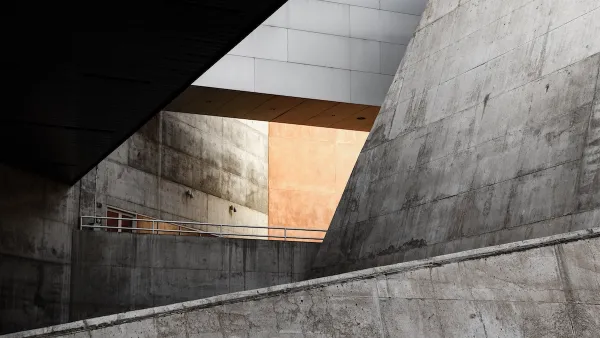
What ‘The Brutalist’ Teaches Us About Modern Cities
How architecture and urban landscapes reflect the trauma and dysfunction of the post-war experience.

The New Enemy of the Alt-Right: Modern Architecture
Are the iconic symbols of modern architecture a new front line in the new era of culture wars?
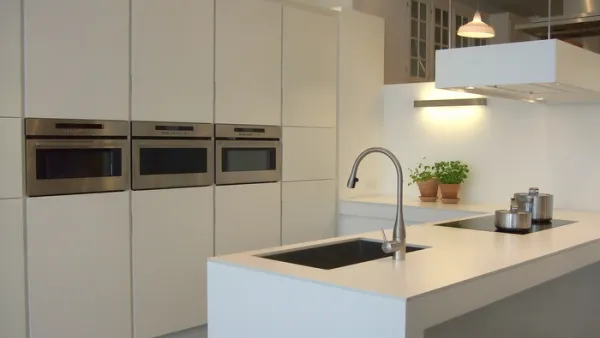
The Revenge of the Kitchen
Long relegated to the back of the house, the kitchen as utility space is being replaced by the modern show kitchen. Located squarely front-of-house, newer kitchens often reinstate the "great room" idea.

Planetizen Federal Action Tracker
A weekly monitor of how Trump’s orders and actions are impacting planners and planning in America.

Chicago’s Ghost Rails
Just beneath the surface of the modern city lie the remnants of its expansive early 20th-century streetcar system.

Amtrak Cutting Jobs, Funding to High-Speed Rail
The agency plans to cut 10 percent of its workforce and has confirmed it will not fund new high-speed rail projects.

Ohio Forces Data Centers to Prepay for Power
Utilities are calling on states to hold data center operators responsible for new energy demands to prevent leaving consumers on the hook for their bills.

MARTA CEO Steps Down Amid Citizenship Concerns
MARTA’s board announced Thursday that its chief, who is from Canada, is resigning due to questions about his immigration status.

Silicon Valley ‘Bike Superhighway’ Awarded $14M State Grant
A Caltrans grant brings the 10-mile Central Bikeway project connecting Santa Clara and East San Jose closer to fruition.

Urban Design for Planners 1: Software Tools
This six-course series explores essential urban design concepts using open source software and equips planners with the tools they need to participate fully in the urban design process.
Planning for Universal Design
Learn the tools for implementing Universal Design in planning regulations.

Caltrans
City of Fort Worth
Mpact (founded as Rail~Volution)
City of Camden Redevelopment Agency
City of Astoria
City of Portland
City of Laramie