A new picture book introduces the architecture and urban ideas of Le Corbusier to children.


"This introduction to the architecture and ideas of Le Corbusier for children of ten and over - it will fascinate architecture minded adults too - brings to life the man, the architect, his work and the world in which he lived. The words are his own and with the accompanying photographs and drawings serve to reveal the philosophy behind the architecture."
Thanks to ArchNewsNow
Read the full story: Le Corbusier in his own words

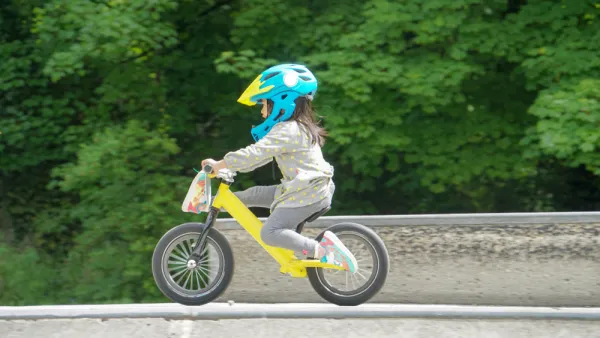
Opinion: Car-Centric Cities Hurt Kids
Designing neighborhoods with children in mind could reduce traffic fatalities and improve the health and well-being of kids.

It's Our Future You Are Planning For: Getting Youth Involved in Planning
This blog post highlights resources available to help engage children and young adults in participatory planning processes.
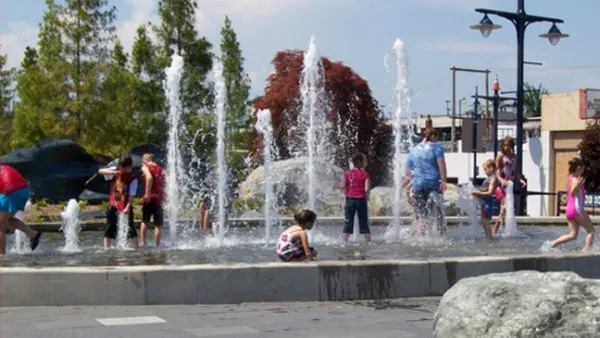
Family-Friendly Downtown Living
What helps make a downtown family friendly? Safe places to play, safe streets, good schools and attainable housing, writes Jennifer Hill.

Planetizen Federal Action Tracker
A weekly monitor of how Trump’s orders and actions are impacting planners and planning in America.
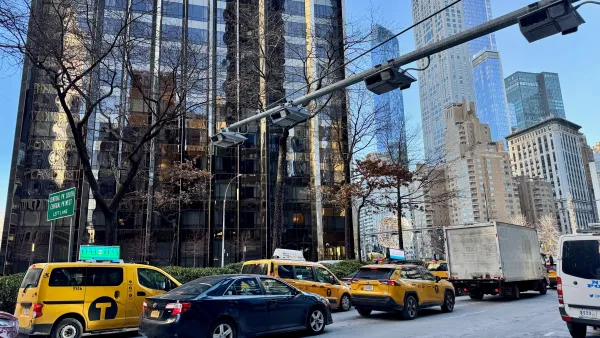
Data reveals that NYC’s bet on congestion pricing has paid off
After almost two years of the program, reports show positive impacts on traffic and air quality and no disruptions to parking.

Denver is solving homelessness. Why aren't the rest of us?
Since 2023, Denver's street homeless population has decreased by 64%, proving that effective tools exist to support those in need of housing.

CA city to shut down airport, transform it into utopian park
The western side of the 200-acre park will feature a dog park, nature education center and arboretum.

NYC to vote on supporting outdoor dining, streamlining bus and bike lane creation
The city has five proposed amendments to its municipal constitution on the ballot this November.

Chicago breaks ground on $3 billion megadevelopment
The new neighborhood, titled Foundry Park, will one day host 3,700 residences.

FREE Course: Walkable City 1: Why Walkability?
After describing his path towards focusing on walkability as the essence of good planning, Jeff Speck marches through his five principal reasons for making more walkable places.
Reinventing Malls: Planning Alchemy—Turning Gray Fields Into Gold
The course focuses on the opportunities and imperatives that shape reinvention of mall sites.

City of Rosemead
Rutgers University, Edward J. Bloustein School of Planning and Public Policy
One Hundred Miles
The Architects Foundation
University of Cincinnati Online
Montrose County
Northern Illinois Transit Authority (NITA)
The Pocatello Development Authority