





















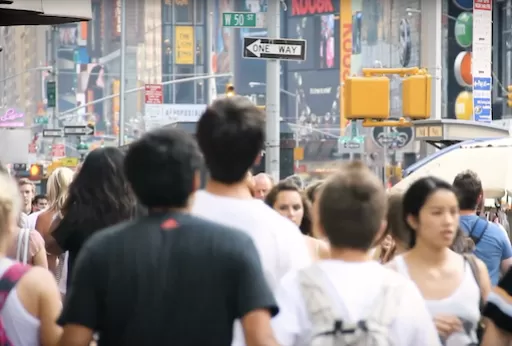
A new study of public high school students suggests a connection between obesity and feeling unsafe in one's neighborhood.


"Of the 1,140 students surveyed, nearly 12 percent said they rarely felt safe in their neighborhood and 9 percent said they never felt safe in their neighborhood.
These students were about 1.2 times more likely to be overweight or at risk for becoming overweight compared with students who said they sometimes or always felt safe (44 percent) or always felt safe (36 percent), researchers report in the online journal Public Health, published by BioMed Central."
FULL STORY: Unsafe Urban Neighborhoods Linked to Teen Weight

Widening Waistlines Weigh on Developing Cities
Cities across the developing world are dealing more with rising obesity rates as urbanization occurs, reports TheCityFix's Jonna McKone.
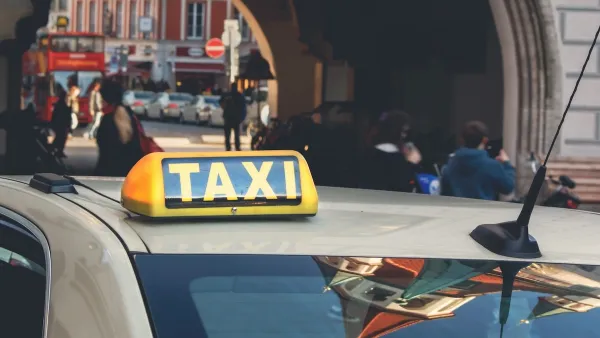
German Cities Subsidize Taxis for Women Amid Wave of Violence
Free or low-cost taxi rides can help women navigate cities more safely, but critics say the programs don't address the root causes of violence against women.
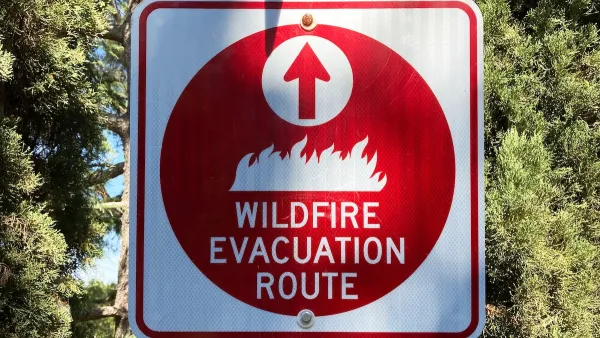
Cal Fire Chatbot Fails to Answer Basic Questions
An AI chatbot designed to provide information about wildfires can’t answer questions about evacuation orders, among other problems.

Planetizen Federal Action Tracker
A weekly monitor of how Trump’s orders and actions are impacting planners and planning in America.
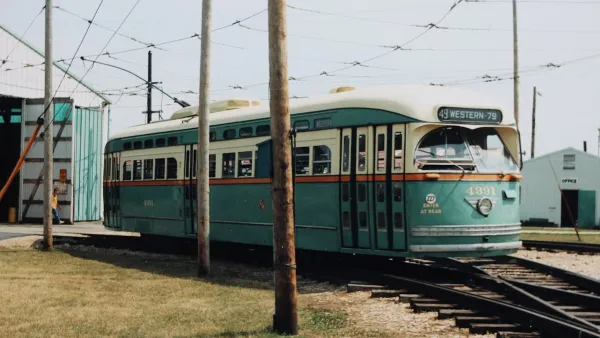
Chicago’s Ghost Rails
Just beneath the surface of the modern city lie the remnants of its expansive early 20th-century streetcar system.
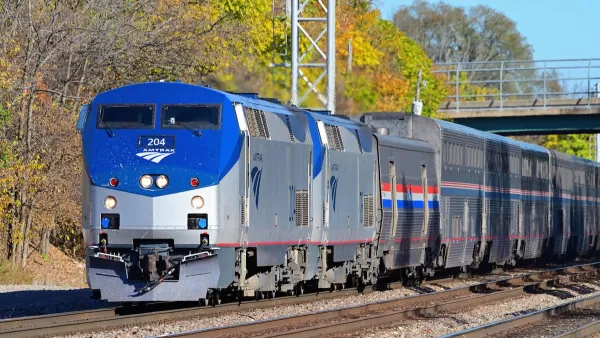
Amtrak Cutting Jobs, Funding to High-Speed Rail
The agency plans to cut 10 percent of its workforce and has confirmed it will not fund new high-speed rail projects.

Ohio Forces Data Centers to Prepay for Power
Utilities are calling on states to hold data center operators responsible for new energy demands to prevent leaving consumers on the hook for their bills.

MARTA CEO Steps Down Amid Citizenship Concerns
MARTA’s board announced Thursday that its chief, who is from Canada, is resigning due to questions about his immigration status.

Silicon Valley ‘Bike Superhighway’ Awarded $14M State Grant
A Caltrans grant brings the 10-mile Central Bikeway project connecting Santa Clara and East San Jose closer to fruition.

Urban Design for Planners 1: Software Tools
This six-course series explores essential urban design concepts using open source software and equips planners with the tools they need to participate fully in the urban design process.
Planning for Universal Design
Learn the tools for implementing Universal Design in planning regulations.

Caltrans
City of Fort Worth
Mpact (founded as Rail~Volution)
City of Camden Redevelopment Agency
City of Astoria
City of Portland
City of Laramie