Tax caps, assessment limitations, and other property tax relief programs have caused significant damage to the largest source of revenue for ailing cities, says a new book by the Lincoln Institute of Land Policy.


From the press release:
"Erosion of the Property Tax Base: Trends, Causes, and Consequences, edited by Nancy Y. Augustine, Michael E. Bell, David Brunori, and Joan Youngman(...), details how a variety of policies designed to reduce property tax burdens -- and to accomplish other social and economic goals through property tax exemptions or abatements – has threatened the largest single source of state and local revenues across the country.
"A tax with a broad base and low rates is generally simpler, fairer, and more efficient than one that raises the same revenue with high rates on a narrow base," said Joan Youngman, senior fellow and chair of the Department of Valuation and Taxation at the Lincoln Institute. But, she added, "A variety of political, social, and economic factors make the tax a prime target for reduction, limitation, and exemption proposals."
This is in part because the property tax is a highly visible tax, and requires cash payments even if property may not be yielding cash income."
Read the full story: Property tax base erodes just when needed most, experts say

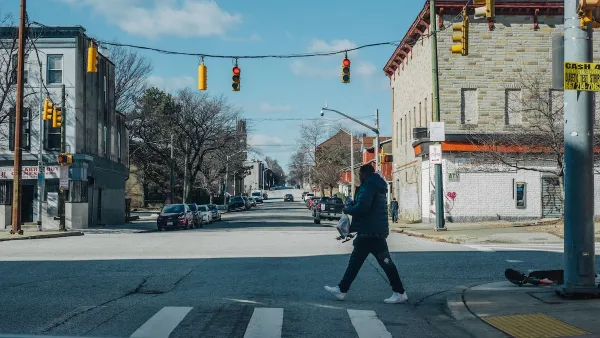
Maryland local governments examine if they should have more power to raise property taxes
Maryland’s housing market is out of reach for the majority of moderate-income residents.
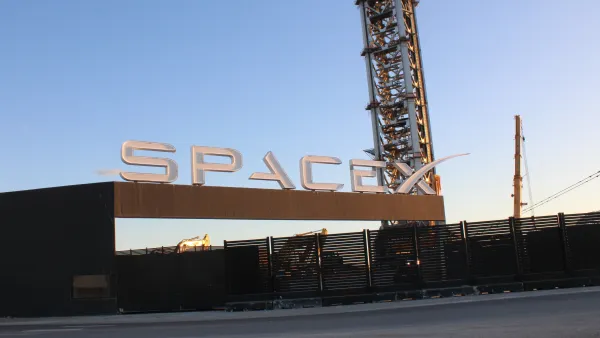
Home values, property tax rises in Texas county after the arrival of SpaceX
The median property tax bill in Cameron County increased by more than 57% over six years.
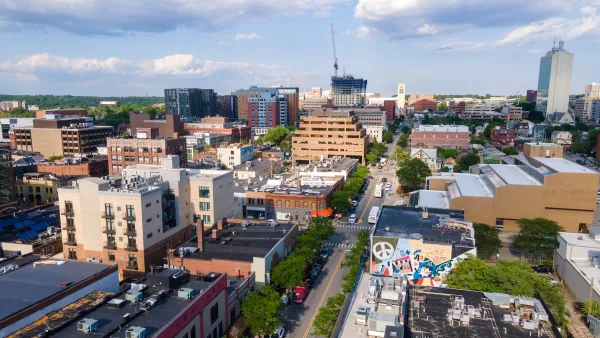
Ann Arbor millage tax has created over $27M for affordable housing
The 2020 property tax is expected to fund roughly 1,500 new affordable homes.

Planetizen Federal Action Tracker
A weekly monitor of how Trump’s orders and actions are impacting planners and planning in America.

‘Going backwards:’ Baltimore mayor, students rally against state's transit funding plan
Maryland's proposed six-year plan provides no funding for Baltimore’s BMORE bus program and reduces its road maintenance funding.

Detroit to transform waterfront with $2.2 billion investment
Developers will convert about 18 acres of unused parking lot space into civic spaces.

Metrolink finishes first expansion in 20 years
The transit agency is now one of very few in the United States to connect two major airports.

Central Park has seen three deadly crashes since June. It banned cars 8 years ago.
100,000 bikers, pedestrians and horseback riders compete for space on the loop daily, sometimes resulting in deadly collisions.

SF residents can no longer use potential shadows to block housing developments
The SHADE act also halves the allotted time for certain appeals before projects can progress.

FREE Course: Walkable City 1: Why Walkability?
After describing his path towards focusing on walkability as the essence of good planning, Jeff Speck marches through his five principal reasons for making more walkable places.
Reinventing Malls: Planning Alchemy—Turning Gray Fields Into Gold
The course focuses on the opportunities and imperatives that shape reinvention of mall sites.

planning NEXT
City of Thousand Oaks
City of Wisconsin Rapids
The Architects Foundation
University of Cincinnati Online
Northern Illinois Transit Authority (NITA)
The Pocatello Development Authority
The Urban Renewal Agency of the City of Pocatello