Shelterforce magazine takes a look at one of the hardest hit areas in New Jersey by the ongoing foreclosure crisis, and a first-in-the-nation property acquisition project that aims to stabilize neighborhood in decline.


Wayne Meyer scans a master list of properties and tries to locate them on a foreclosure-ravished street in an impoverished neighborhood in Irvington, NJ. There are so many to choose from, he has to first get his bearings as he figures out which empty house he's looking for. It's just one of countless streets that feature the boarded-up visages of homes-some majestic and some modest-that have deteriorated as they lay vacant as a result of the ongoing foreclosure crisis in this part of the state.
Meyer's goal is to figure out which of these properties can be saved, and which cannot, all in the name of preserving and stabilizing these historic neighborhoods that have fallen victim to all of the classic effects of hard times: crime, drugs, gangs, and property deterioration. This toxic stew has created what many worry is a long-term decline, with neighborhoods taking decades to rebound.
Thanks to Harold Simon
Read the full story: Operation Neighborhood Recovery
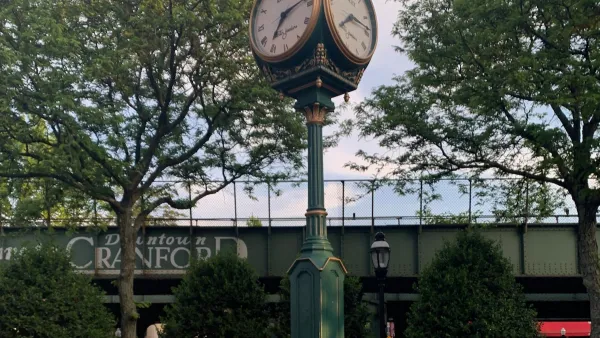
The Story of Eastman Clock Plaza in Downtown Cranford
How a small plaza in Cranford, New Jersey became a community beacon.
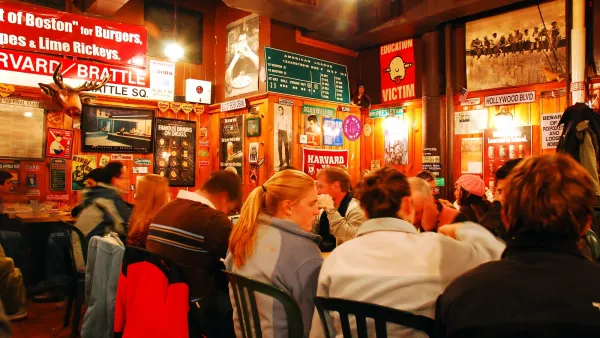
The Restaurant Industry’s ‘Missing Middle’
Locally owned restaurants affordable to middle-income families are disappearing or being forced to raise prices as costs grow.
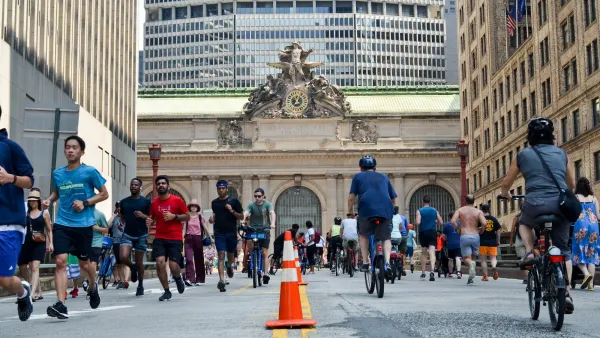
Mamdani’s Budget Fails to Expand Open Streets, Breaking Campaign Promise
The proposed budget allocates $2 million to Summer Streets and Open Streets, less than the $2.1 million allocated by the Adams administration last year.

Desperate measures: Advocates weigh draining Lake Powell to fill Colorado River
Draining the reservoir could reduce evaporation losses by a couple hundred thousand acre-feet.

Eastern Nebraska is running out of electricity
Data centers and electrification are straining eastern Nebraska’s grid, throttling economic development.

Malls are becoming the midtowns of the future
Mall and office park redevelopments are a generational opportunity to create new nodes of urbanity.

NYC breaks ground on anti-flooding infrastructure project
New York City's new system will reduce stormwater flows to local sewers by 90%.

One Kentucky town’s secret to affordable housing
The Smoketown Community Land Trust has already built seven affordable homes for community members.

Houston gains petal-shaped cooling infrastructure to make streets more ‘delightful’
The city has installed the pavilions along 15 blocks in Houston.

FREE Course: Walkable City 1: Why Walkability?
After describing his path towards focusing on walkability as the essence of good planning, Jeff Speck marches through his five principal reasons for making more walkable places.
Reinventing Malls: Planning Alchemy—Turning Gray Fields Into Gold
The course focuses on the opportunities and imperatives that shape reinvention of mall sites.

City of Rosemead
Rutgers University, Edward J. Bloustein School of Planning and Public Policy
One Hundred Miles
University of Michigan School for Environment and Sustainability (SEAS)
Hunter College, City University of New York (CUNY)
The Architects Foundation
City of Cambridge
Montrose County
The Pocatello Development Authority