


























A recent report from The Brookings Institution examines unemployment trends in the urban and suburban areas of the top 100 metropolitan areas in the U.S., mainly by looking at the demand for "safety net" services.


The analysis was based on changes in claims for unemployment assistance and food stamps over the past 20 months of the economic recession. The study finds that unemployment rates in urban areas is about the same as suburban areas.
"Understanding how different metropolitan areas have been affected by the recession is a critical step toward shaping appropriate regional public- and private-sector responses to promote recovery. Of course, metropolitan areas are collections of communities that may also be experiencing the downturn to varying degrees, especially now that more than half of America's metropolitan poor live in suburbia. Intra-metropolitan patterns of unemployment and need should thus additionally inform efforts to put metropolitan workers and firms on the road to recovery."
FULL STORY: The Landscape of Recession: Unemployment and Safety Net Services Across Urban and Suburban America

The Best and Worst U.S. Cities to Find Jobs
This infographic from Good shows how unemployment numbers compare in various metros in the country.
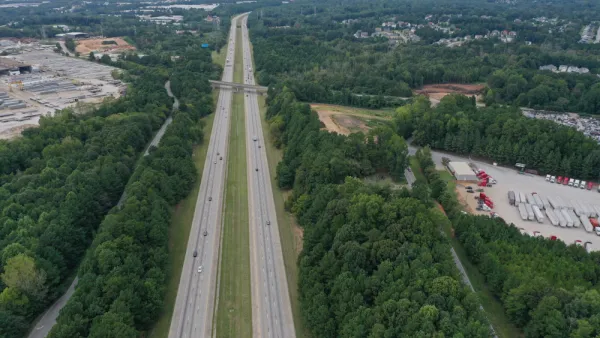
Study: Transit Cuts Can Increase Poverty, Unemployment
An analysis of Clayton County, Georgia, which lost access to public transit for five years, shows a significant increase in unemployment rates and poverty during that timeframe.

Major U.S. Metro Areas in a Transition Period, According to Census Analysis
The nation's growth slowed from 2010 and 2020, according to 2020 Census data, and demographers are still trying to figure out what population trends mean for the future of country's major metropolitan areas.

Planetizen Federal Action Tracker
A weekly monitor of how Trump’s orders and actions are impacting planners and planning in America.
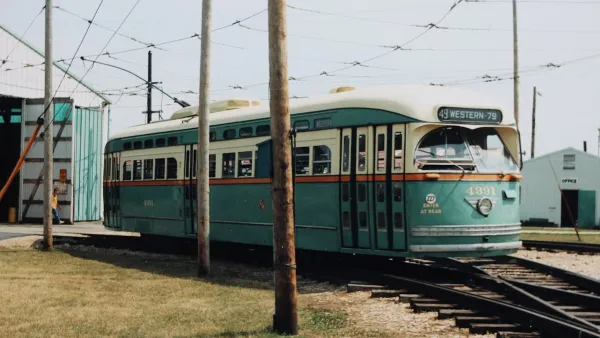
Chicago’s Ghost Rails
Just beneath the surface of the modern city lie the remnants of its expansive early 20th-century streetcar system.
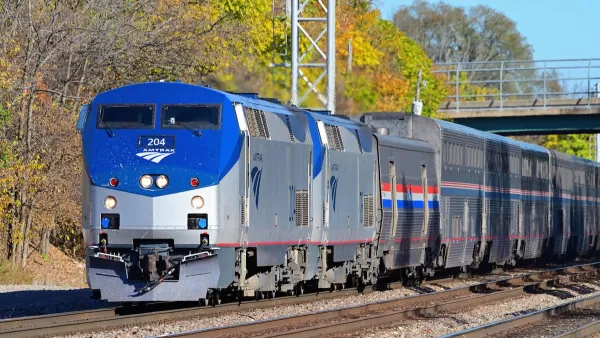
Amtrak Cutting Jobs, Funding to High-Speed Rail
The agency plans to cut 10 percent of its workforce and has confirmed it will not fund new high-speed rail projects.

Ohio Forces Data Centers to Prepay for Power
Utilities are calling on states to hold data center operators responsible for new energy demands to prevent leaving consumers on the hook for their bills.

MARTA CEO Steps Down Amid Citizenship Concerns
MARTA’s board announced Thursday that its chief, who is from Canada, is resigning due to questions about his immigration status.

Silicon Valley ‘Bike Superhighway’ Awarded $14M State Grant
A Caltrans grant brings the 10-mile Central Bikeway project connecting Santa Clara and East San Jose closer to fruition.

Urban Design for Planners 1: Software Tools
This six-course series explores essential urban design concepts using open source software and equips planners with the tools they need to participate fully in the urban design process.
Planning for Universal Design
Learn the tools for implementing Universal Design in planning regulations.

Caltrans
City of Fort Worth
Mpact (founded as Rail~Volution)
City of Camden Redevelopment Agency
City of Astoria
City of Portland
City of Laramie