A new KFC/Taco Bell combo restaurant in Northhampton, Massachusetts has been awarded LEED certification.


Designed by a Kentucky Fried Chicken architect, the building uses 30 percent less energy and water than a conventional building and uses solar energy to preheat fresh air for heating, according to the parent company's press release.
"Additionally, the restaurant is using a sophisticated lighting control system that maximizes the use of natural light. LED lights, the most energy–efficient available today, were utilized where feasible both inside the restaurant, in the parking lot and on signage. Utilizing more energy efficient kitchen and building equipment, and purchasing renewable energy credits, also minimizes the restaurant's carbon footprint.
Water conservation is a high priority at the restaurant. Harvested rainwater is used for irrigation. Fixtures with lower water consumption rates, and a rain garden with filters that improve storm water quality, are in place to address conservation and water use."
Read the full story: Yum! Brands’ Environmentally–Friendly KFC and Taco Bell Restaurant Awarded LEED Gold Certification
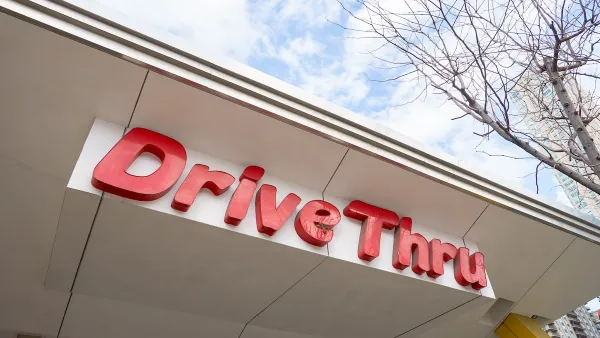
Dallas Extends Permit for Downtown Drive-Thru
The city has indicated this is the last time it will extend a permit for a drive-thru at a McDonald’s restaurant as it transitions to supporting a denser, more walkable downtown environment.
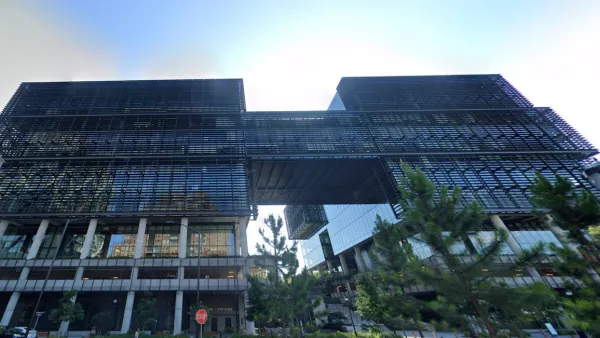
Fourth Ward Project Aims for Sustainability on Atlanta's Beltline
A new megaproject hopes to bring new life to a former industrial site.
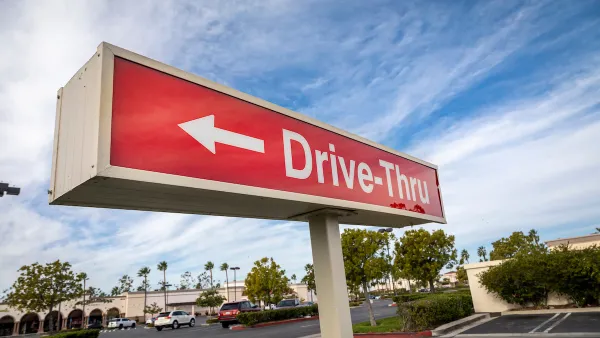
The Resurgence of Drive-Throughs
Dining areas in many fast food restaurants are being replaced with added drive-thru lanes, another post-pandemic impact on our lives benefiting those with four wheels (or more).

Washington state to charge fee to drivers with fuel-efficient cars
Revenue from the fee will go towards supporting the state’s highways.

Illinois considers spending $1 billion in taxpayer money on data center
A quantum computing campus and data center are currently under construction in Chicago.

Trump to blast ‘hydrocarbon highway’ through ‘world’s longest art gallery’
Environmental and historic preservation groups are suing to stop the project.

NYC, state sue feds over mixed-immigration-status housing assistance rule
The state’s lawsuit argues that the rule change violates the Administrative Procedure Act.

Michigan to turn neighborhood into virtual power plant
Residents will soon be able to divert their excess energy to the grid in exchange for compensation.

Data center, mining project swarm to long-awaited Alaska railroad line
The state-owned railroad approved final plans for the spur line this week; the project is expected to cost $311 million, mostly funded by the federal government

FREE Course: Walkable City 1: Why Walkability?
After describing his path towards focusing on walkability as the essence of good planning, Jeff Speck marches through his five principal reasons for making more walkable places.
Reinventing Malls: Planning Alchemy—Turning Gray Fields Into Gold
The course focuses on the opportunities and imperatives that shape reinvention of mall sites.

City of Charlotte
City of Rosemead
Rutgers University, Edward J. Bloustein School of Planning and Public Policy
University of Michigan School for Environment and Sustainability (SEAS)
Hunter College, City University of New York (CUNY)
The Architects Foundation
University District Partnership