Coal ash retention ponds are so numerous and so toxic that they are now considered to be a potential threat to national security.


Back in December of 2008, a coal ash pond in Tennessee burst its banks and flooded some 300 acres with an estimated billion gallons of toxic sludge. Now there are concerns that the nation's other 44 such sites also pose a grave threat to surrounding communities.
We all knew the problem was serious. Now it turns out that it's so bad that the public can't be informed where those sites are. According to the Huffington Post,
"the Department of Homeland Security has told Sen. Barbara Boxer (D-Calif.) that her committee can't publicly disclose the location of coal ash dumps across the country.
The pollution is so toxic, so dangerous, that an enemy of the United States -- or a storm or some other disrupting event -- could easily cause them to spill out and lay waste to any area nearby."
Read the full story: Coal Ash Spills Too Dangerous To Reveal To Public, Says DHS

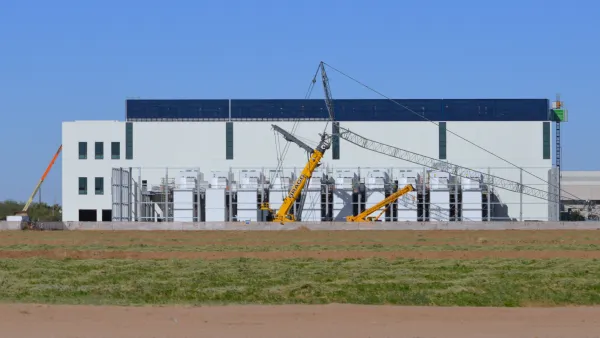
EPA to kill law requiring states to inform the public about new data centers
Over 200 advocacy groups and a dozen states have voiced opposition to this change.
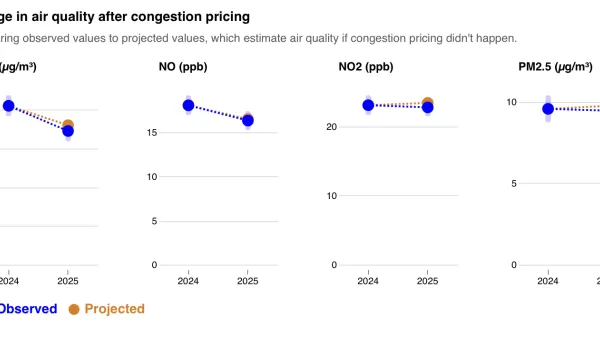
First study of NYC congestion zone’s air quality impact shows improvements
The study also examined air quality around freeways which experts worried would see increased traffic from people avoiding the tolls.
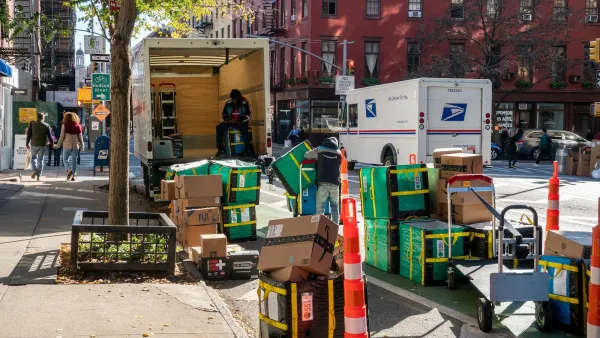
Report: 75% of NYC warehouses are in 'disadvantaged communities'
Low-income New Yorkers are 1.2 times more likely to live within half a mile of a warehouse.

Planetizen Federal Action Tracker
A weekly monitor of how Trump’s orders and actions are impacting planners and planning in America.

Amtrak, CN end decades-long dispute with eight-year agreement
The new operating agreement establishes an updated framework for the companies to work together, including processes to resolve disputes.

Northwest rail fans eager for Sept. 30 debut of Amtrak’s Airo fleet
Get ready for that new train smell and more seats. But they won’t go faster or run more frequently on the Cascades route in Washington and Oregon.

Brightline Florida files for bankruptcy
The transit company is over $5 billion in debt.

St. Louis Metro to test if single-car trains can reduce operating costs, maintain rider satisfaction
The pilot program will run from October to spring 2027, and begin with one single-car train operating on Metrolink’s Red and Blue lines.

Pennsylvania is building data centers in abandoned mines
Housing data centers in mines provides an alternative to destroying local forests and may spare residents from data centers’ noise and air pollution.

FREE Course: Walkable City 1: Why Walkability?
After describing his path towards focusing on walkability as the essence of good planning, Jeff Speck marches through his five principal reasons for making more walkable places.
Reinventing Malls: Planning Alchemy—Turning Gray Fields Into Gold
The course focuses on the opportunities and imperatives that shape reinvention of mall sites.

City of Thousand Oaks
City of Wisconsin Rapids
Harvard University Graduate School of Design
The Architects Foundation
University of Cincinnati Online
The Pocatello Development Authority
The Urban Renewal Agency of the City of Pocatello