





















In Boston for a conference, Mary Newsom reflects on the lessons that Sun Belt cities can take from historic cities like Cambridge to prepare for the future.


"It's cosmic irony of a sort that the cities most adapted to thrive in 21st-century America may well be our oldest. And those likely to have the toughest time adapting are new – Sun Belt metropolises such as Charlotte, which grew to cityhood in an era of auto travel, air-conditioning and exuberant suburban building.
As I love to do, I spent time last week just walking the old brick sidewalks of this pre-Colonial city across the Charles River from Boston. Although cars make life easier in Cambridge, you don't really need one, and the excellent regional transit system – buses, subways and commuter rail – isn't the only reason. Almost every street has a sidewalk. Cambridge manages to stay bicycle- and pedestrian-friendly despite sometimes heavy traffic. Equally important, there's an old-fashioned mix of stores and housing, so you really can dash out for a loaf of bread or take-out Thai and be home in 10 or 15 minutes. Apartment buildings and houses split into two or three condos sit close together, sprinkled among single-family homes.
Like many older U.S. cities, Cambridge was built in an era when land was treated as precious and wasn't routinely wasted on half-acre lawns or "buffers." It's compact and transit-friendly."
FULL STORY: Old cities can be models for the new

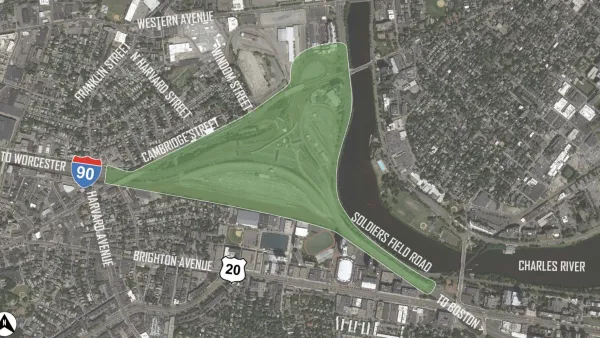
Imagining Alternatives to an Enlarged I-90 Viaduct in Boston
Massachusetts Department of Transportation plans to heighten and widen the Allston section of I-90 viaduct do not align with the community's desire for an environmentally friendly and pedestrian- and cycling-oriented new solution.
Tech Execs Call for More Public Transit Funding in the Boston Region
A Red Line train recently derailed on the T in Boston, providing the latest example of the need for drastic measures to course correct public transit in the region.
Cambridge Won’t Reach Goals to Curb Car Ownership
The city’s original plan to decrease car ownership isn’t quite panning out, even with more alternative transportation options for residents.

Planetizen Federal Action Tracker
A weekly monitor of how Trump’s orders and actions are impacting planners and planning in America.
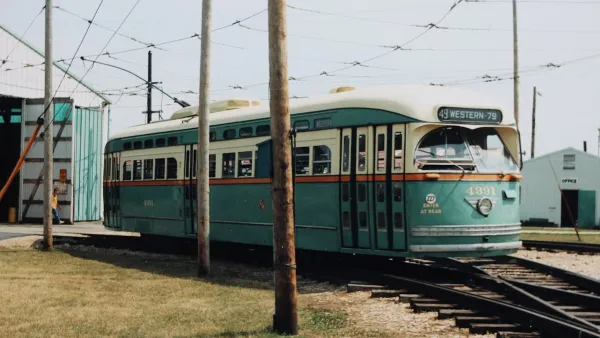
Chicago’s Ghost Rails
Just beneath the surface of the modern city lie the remnants of its expansive early 20th-century streetcar system.
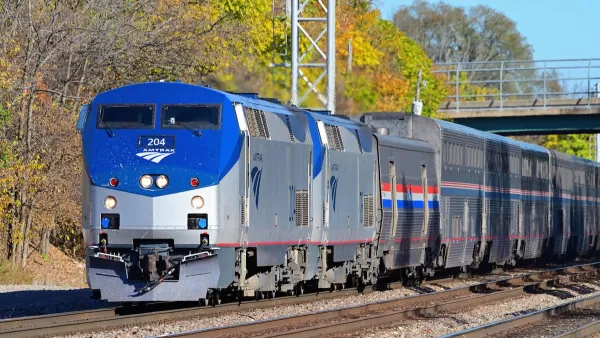
Amtrak Cutting Jobs, Funding to High-Speed Rail
The agency plans to cut 10 percent of its workforce and has confirmed it will not fund new high-speed rail projects.

Ohio Forces Data Centers to Prepay for Power
Utilities are calling on states to hold data center operators responsible for new energy demands to prevent leaving consumers on the hook for their bills.

MARTA CEO Steps Down Amid Citizenship Concerns
MARTA’s board announced Thursday that its chief, who is from Canada, is resigning due to questions about his immigration status.

Silicon Valley ‘Bike Superhighway’ Awarded $14M State Grant
A Caltrans grant brings the 10-mile Central Bikeway project connecting Santa Clara and East San Jose closer to fruition.

Urban Design for Planners 1: Software Tools
This six-course series explores essential urban design concepts using open source software and equips planners with the tools they need to participate fully in the urban design process.
Planning for Universal Design
Learn the tools for implementing Universal Design in planning regulations.

Caltrans
City of Fort Worth
Mpact (founded as Rail~Volution)
City of Camden Redevelopment Agency
City of Astoria
City of Portland
City of Laramie