Three Massachusetts towns are looking to kill a 3% property tax that has been funding open space purchases, historic restoration, and affordable housing construction.


"Under the Community Preservation Act, a surcharge of up to 3 percent is added to annual real estate tax bills. Participating towns then get a match from the state for the contributions.
But some residents in the three towns are saying this money should remain in the pockets of taxpayers during tough financial times, or should be used to bolster community infrastructure.
At Duxbury's Annual Town Meeting Saturday, voters will consider whether to lower the surcharge from the current 3 percent - the highest allowed under the act - to 0.25 percent.
James Sullivan, the article's author, said the town has too many high priorities to continue with "low priority" CPA-funded projects. The town desperately needs a new police station and a school roof, renovation of the fire station, and some repairs to the municipal pool, said Sullivan. Those projects would be paid for through temporary tax increases."
Read the full story: Towns may cut property tax surcharge
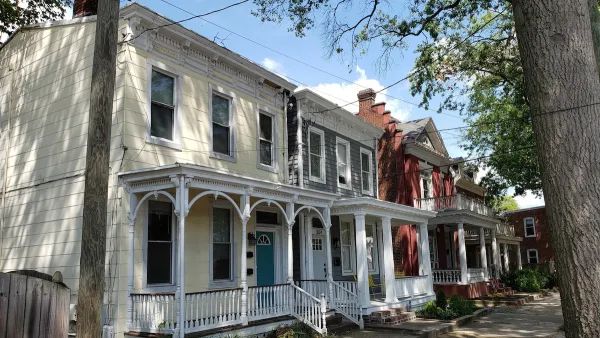
Property Taxes Cuts on the Ballot in at Least Eight States
From completely eliminating property tax to creating new exemptions, voters in eight states across the country will cast their votes on a variety of ballot measures that could have major implications for local budgets.

Affordable Housing Bond Nixed From the California Ballot
Supporters of the proposed bond say the measure will have more success in the future.
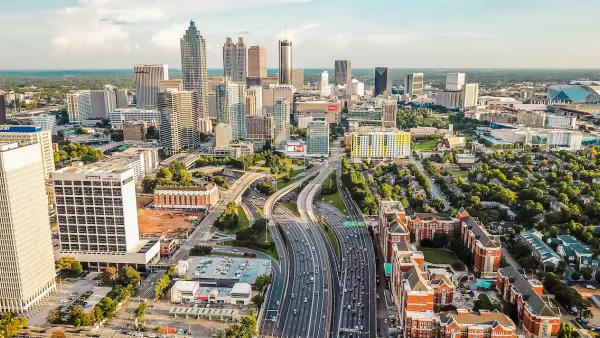
Quantifying the Losses Caused by New Freeways
Data shows cities lose millions in potential property taxes when highways displace homes and businesses.

Planetizen Federal Action Tracker
A weekly monitor of how Trump’s orders and actions are impacting planners and planning in America.

Eastern Nebraska is running out of electricity
Data centers and electrification are straining eastern Nebraska’s grid, throttling economic development.

Study reveals best places in the U.S. for cycling, walking
New research from Streetlight Data examines bicycle and pedestrian miles per capita in the 100 largest U.S. cities by population.

Federal government nominates new FTA administrator
Mark Aesch is currently the founder and CEO of a transportation management consulting firm.

Developers reveal $10 billion stadium plan as ‘Hail Mary’ to keep Bears in Chicago
The plan would also boast a public park, high- and mid-rise buildings and a youth sports complex.

As Texas embraces carbon storage, a Black community questions the risks
Texas now issues permits for companies to store carbon dioxide underground. East Texas residents fear safety risks, and skeptics doubt the climate benefits.

FREE Course: Walkable City 1: Why Walkability?
After describing his path towards focusing on walkability as the essence of good planning, Jeff Speck marches through his five principal reasons for making more walkable places.
Reinventing Malls: Planning Alchemy—Turning Gray Fields Into Gold
The course focuses on the opportunities and imperatives that shape reinvention of mall sites.

City of Charlotte
City of Rosemead
Rutgers University, Edward J. Bloustein School of Planning and Public Policy
University of Michigan School for Environment and Sustainability (SEAS)
Hunter College, City University of New York (CUNY)
The Architects Foundation
City of Cambridge
The Pocatello Development Authority
The Urban Renewal Agency of the City of Pocatello