

























Good green jobs are on the way - just not right away due to recession. Stimulus funds - not just from U.S. but many nations are investing in their economies by targeting renewable energy, smart electricity grids, energy efficiency, and more.


"HSBC, the international banking group, forecasts that the market for wind energy will drop by 20 per cent in 2009, the first time in years that wind companies have seen anything but rapid growth.
Recycling has suffered a serious blow as the price of commodities has plunged...Environmental consultancies are also facing a tough year.
Yet, despite these portents of gloom, there are reasons to be cheerful for both businesses in the sector and companies looking to improve their environmental performance. One is that a large amount of money is about to enter the "green" economy, with the stimulus packages governments are concocting as a cure for the financial crisis. About $430bn of the planned $2,800bn of stimulus spending is likely to go on green measures, according to HSBC."
From A massive injection of clean energy cash:
"The economic stimulus, amounting to more than $2,800bn, is being compared with the "New Deal" programme of spending on national infrastructure initiated by Franklin D Roosevelt in the 1930s, in his attempt to pull the US out of Depression.
But this time, many of the governments involved are looking to focus large slices of their funds on projects that will help change the footing of the world economy, away from its high consumption of fossil fuels to a low-carbon basis.
The phrase "green new deal" means different things in different countries, but broadly it refers to the argument that if we direct the stimulus spending into building more of the same kind of infrastructure that we already have, such as coal-fired power plants and petrol-guzzling vehicles, it will result in ever-increasing greenhouse gas emissions, provoking a global warming crisis."
FULL STORY: Reasons to be cheerful in a downturn


Washington Tribes Oppose Wind Project
Tribal communities claim that a major wind energy project threatens sensitive cultural and environmental resources.
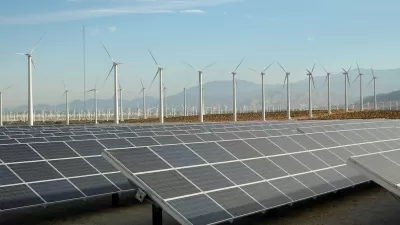
California’s Shift to Renewables: Successes and Challenges
The state aims to run on 100 percent renewable energy by 2045.
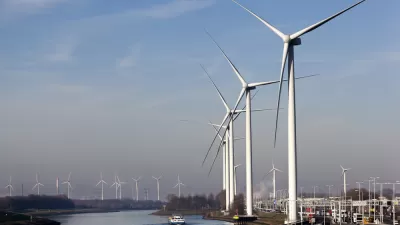
Rural Areas Benefiting From Wind Energy Revenue
For some rural districts, tax revenue from wind energy projects can have a major impact on local school districts and infrastructure.
Planetizen Federal Action Tracker
A weekly monitor of how Trump’s orders and actions are impacting planners and planning in America.
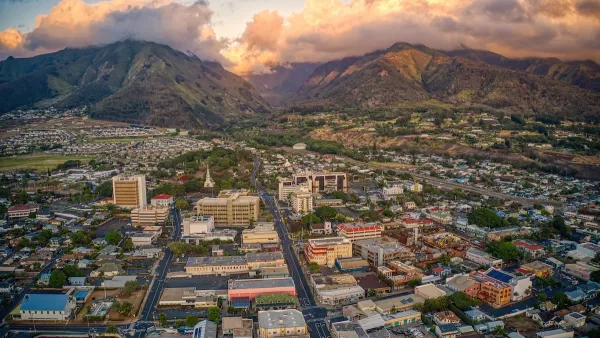
Maui's Vacation Rental Debate Turns Ugly
Verbal attacks, misinformation campaigns and fistfights plague a high-stakes debate to convert thousands of vacation rentals into long-term housing.
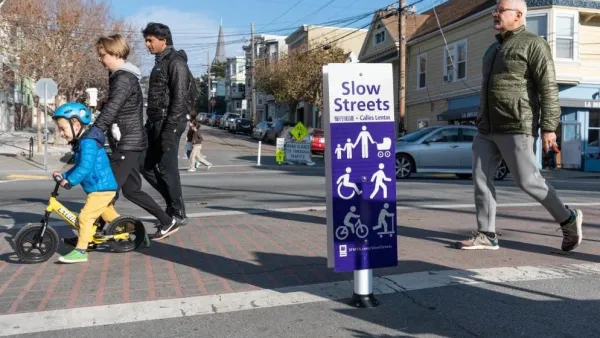
San Francisco Suspends Traffic Calming Amidst Record Deaths
Citing “a challenging fiscal landscape,” the city will cease the program on the heels of 42 traffic deaths, including 24 pedestrians.

Amtrak Rolls Out New Orleans to Alabama “Mardi Gras” Train
The new service will operate morning and evening departures between Mobile and New Orleans.

The Subversive Car-Free Guide to Trump's Great American Road Trip
Car-free ways to access Chicagoland’s best tourist attractions.

San Antonio and Austin are Fusing Into one Massive Megaregion
The region spanning the two central Texas cities is growing fast, posing challenges for local infrastructure and water supplies.

Urban Design for Planners 1: Software Tools
This six-course series explores essential urban design concepts using open source software and equips planners with the tools they need to participate fully in the urban design process.
Planning for Universal Design
Learn the tools for implementing Universal Design in planning regulations.

Heyer Gruel & Associates PA
JM Goldson LLC
Custer County Colorado
City of Camden Redevelopment Agency
City of Astoria
Transportation Research & Education Center (TREC) at Portland State University
Jefferson Parish Government
Camden Redevelopment Agency
City of Claremont