




















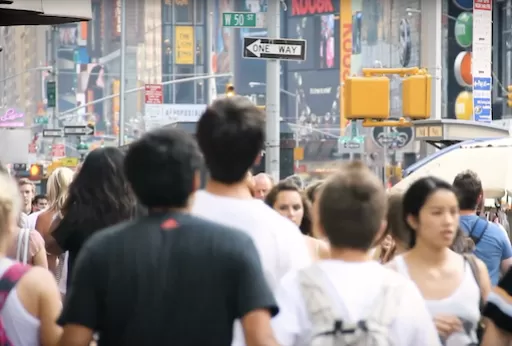
In a recent feature in Time Magazine called 'Ten Ideas Changing the World Right Now,' no. 2 on the list is 'Recycling the Suburbs.'


"The suburbs need to be remade, and just such a transformation is under way in regions that were known for some of the worst sprawl in the U.S. Communities as diverse as Lakewood, Colo., and Long Beach, Calif., have repurposed boarded-up malls as mixed-use developments with retail stores, offices and apartments. In auto-dependent suburbs that were built without a traditional center, shopping malls offer the chance to create downtowns without destroying existing infrastructure, by recycling what's known as underperforming asphalt. "All of these projects are developer-driven, because the market wants them," says Ellen Dunham-Jones, a co-author of the new book Retrofitting Suburbia.
Not every suburb will make it. The fringes of a suburb like Riverside in Southern California, where housing prices have fallen more than 20% since the bust began, could be too diffuse to thrive in a future where density is no longer taboo. It'll be the older inner suburbs like Tysons Corner, Va., that will have the mass transit, public space and economic gravity to thrive postrecession."
FULL STORY: 2. Recycling the Suburbs

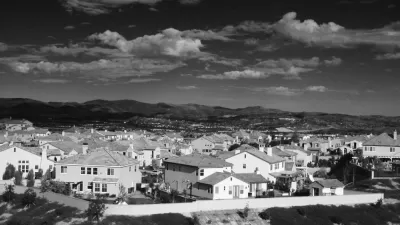
Homebuyers Return to the Exurbs
It's been a while since 2008, and a new crop of homeowners is colonizing the far-flung exurbs. Mostly foreclosed and even abandoned last time around, the exurbs are still a risky buy.
Recycling the Suburbs?
The question is no longer how to improve the suburbs, says Allison Arieff, but what we're going to do with all the leftover buildings and unfinished sites.
Prices Plummeting in Far-Flung Suburbs
The areas hardest-hit by the subprime mortgage crisis are not just low-income and minority communities, but also outer-ring suburbs.

Planetizen Federal Action Tracker
A weekly monitor of how Trump’s orders and actions are impacting planners and planning in America.
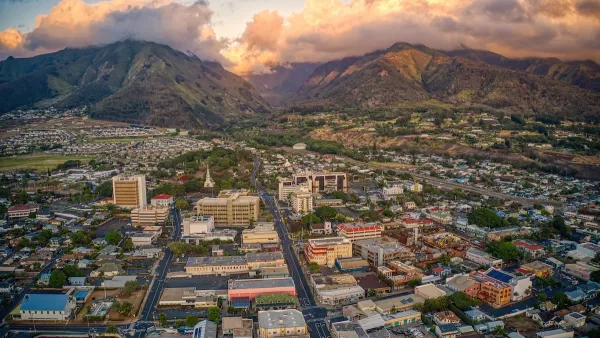
Maui's Vacation Rental Debate Turns Ugly
Verbal attacks, misinformation campaigns and fistfights plague a high-stakes debate to convert thousands of vacation rentals into long-term housing.
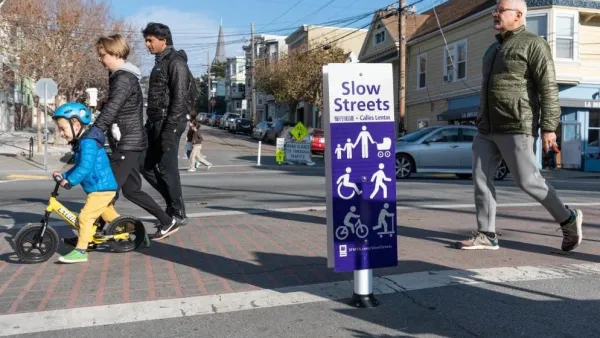
San Francisco Suspends Traffic Calming Amidst Record Deaths
Citing “a challenging fiscal landscape,” the city will cease the program on the heels of 42 traffic deaths, including 24 pedestrians.

Defunct Pittsburgh Power Plant to Become Residential Tower
A decommissioned steam heat plant will be redeveloped into almost 100 affordable housing units.

Trump Prompts Restructuring of Transportation Research Board in “Unprecedented Overreach”
The TRB has eliminated more than half of its committees including those focused on climate, equity, and cities.

Amtrak Rolls Out New Orleans to Alabama “Mardi Gras” Train
The new service will operate morning and evening departures between Mobile and New Orleans.

Urban Design for Planners 1: Software Tools
This six-course series explores essential urban design concepts using open source software and equips planners with the tools they need to participate fully in the urban design process.
Planning for Universal Design
Learn the tools for implementing Universal Design in planning regulations.

Heyer Gruel & Associates PA
JM Goldson LLC
Custer County Colorado
City of Camden Redevelopment Agency
City of Astoria
Transportation Research & Education Center (TREC) at Portland State University
Jefferson Parish Government
Camden Redevelopment Agency
City of Claremont