























This piece from Preservation magazine looks at how historic districts in Portland fall short in preventing incompatible uses.


"But there's a fly in the historically accurate color palette. A decade ago, when Montgomery and Byrnes fell in love with the tree-lined streets and century-old houses that define the Irvington Conservation District, their decision to buy the house was strongly influenced by the 'Historic Irvington' signs they had noticed throughout the area. 'What we're really upset about,' Montgomery says, 'is we thought the signs meant the city would protect the character of the neighborhood.'"
"Now Montgomery has realized those signs were just signs. Because despite Irvington's conservation district status, development there threatens to damage the neighborhood's distinctive look."
"In Portland, a regional governmental agency known as Metro is responsible for maintaining that city's urban growth boundary. 'So Metro has to comply with the state,' says Gisvold, 'and cities and counties have to comply with Metro. And Metro has established minimum density requirements that cities and counties have to meet.' Largely, it's those density requirements that unintentionally threaten Portland's historic districts."
"Currently, if a proposed development in a historic district meets zoning requirements, there's little residents can do to stop its construction-even when they feel it's oversized or out of character with their community."
FULL STORY: Trouble in Green City

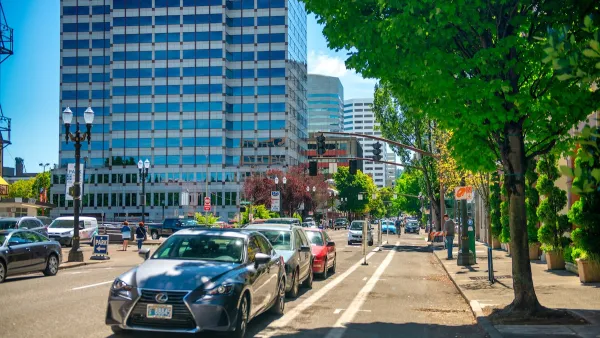
Portland Raises Parking Fees to Pay for Street Maintenance
The city is struggling to bridge a massive budget gap at the Bureau of Transportation, which largely depleted its reserves during the Civd-19 pandemic.
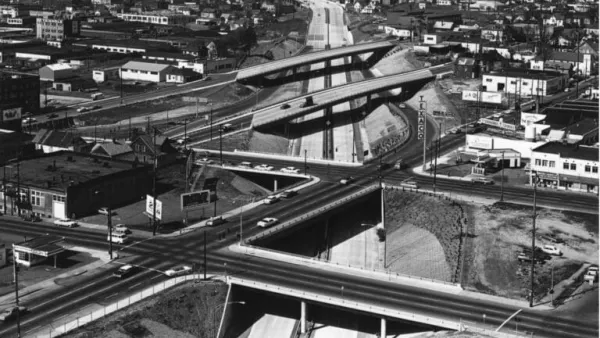
Will the Reconnecting Communities Program Survive Trump?
A freeway cap in Portland, Oregon is in jeopardy. But the visionary “restorative redevelopment” next door goes on.
Portland Housing Bond Created Nearly 5,000 Units, But Affordability Remains Out of Reach
Despite better-than-expected results from multiple local housing bonds, housing costs and homelessness remain top of mind for many Oregonians.

Planetizen Federal Action Tracker
A weekly monitor of how Trump’s orders and actions are impacting planners and planning in America.
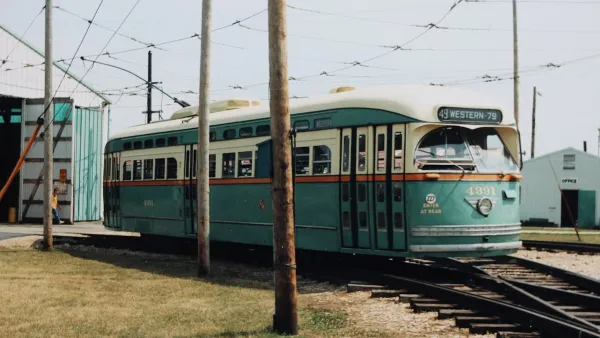
Chicago’s Ghost Rails
Just beneath the surface of the modern city lie the remnants of its expansive early 20th-century streetcar system.
Amtrak Cutting Jobs, Funding to High-Speed Rail
The agency plans to cut 10 percent of its workforce and has confirmed it will not fund new high-speed rail projects.

Ohio Forces Data Centers to Prepay for Power
Utilities are calling on states to hold data center operators responsible for new energy demands to prevent leaving consumers on the hook for their bills.

MARTA CEO Steps Down Amid Citizenship Concerns
MARTA’s board announced Thursday that its chief, who is from Canada, is resigning due to questions about his immigration status.

Silicon Valley ‘Bike Superhighway’ Awarded $14M State Grant
A Caltrans grant brings the 10-mile Central Bikeway project connecting Santa Clara and East San Jose closer to fruition.

Urban Design for Planners 1: Software Tools
This six-course series explores essential urban design concepts using open source software and equips planners with the tools they need to participate fully in the urban design process.
Planning for Universal Design
Learn the tools for implementing Universal Design in planning regulations.

Caltrans
City of Fort Worth
Mpact (founded as Rail~Volution)
City of Camden Redevelopment Agency
City of Astoria
City of Portland
City of Laramie