

























After decades of restructuring, Pittsburgh is doing significantly better than other cities attempting to recover from the loss of industry. Here's how they did it.


"Pittsburgh's transition has been proceeding for decades in fits and starts, benefiting some areas much more than others. A development plan begun in the 1980s successfully used the local universities to pour state funds into technology research.
Entrepreneurship bloomed in computer software and biotechnology. Two of the biggest sectors are education and health care, among the most resistant to downturns. Prominent companies are doing well. Westinghouse Electric, a builder of nuclear reactors, expects to hire 350 new employees a year for the foreseeable future. And commercial construction, plunging in most places, is still thriving partly because of big projects like a casino and an arena for the Penguins hockey team.
The question is whether Pittsburgh can serve as a model for Detroit and other cities in the industrial Midwest as they grapple with large-scale cutbacks in the automotive industry."
FULL STORY: For Pittsburgh, There’s Life After Steel

Mill Comes Back From the Dead, Town Follows
Years after it followed many others like it and closed its doors, a paper mill in upstate New York has come back to life, and brought its town back to life with it.
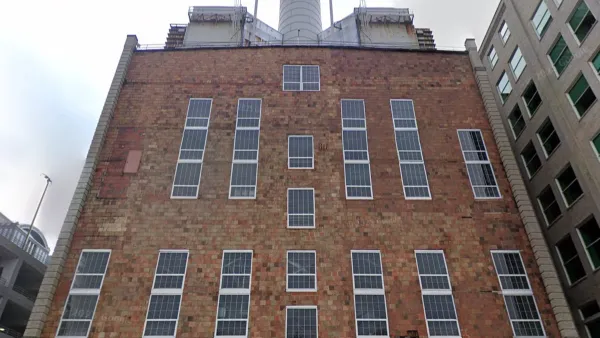
Defunct Pittsburgh Power Plant to Become Residential Tower
A decommissioned steam heat plant will be redeveloped into almost 100 affordable housing units.

Downtown Los Angeles Gears Up for Growth
A new report highlights Downtown L.A.’s ongoing revival through major housing projects, adaptive reuse, hospitality growth, and preparations for global events in the years ahead.

Planetizen Federal Action Tracker
A weekly monitor of how Trump’s orders and actions are impacting planners and planning in America.
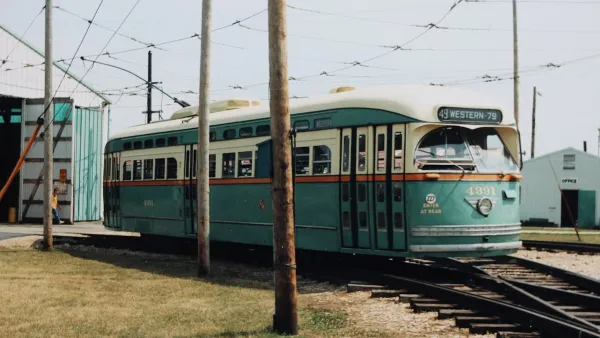
Chicago’s Ghost Rails
Just beneath the surface of the modern city lie the remnants of its expansive early 20th-century streetcar system.
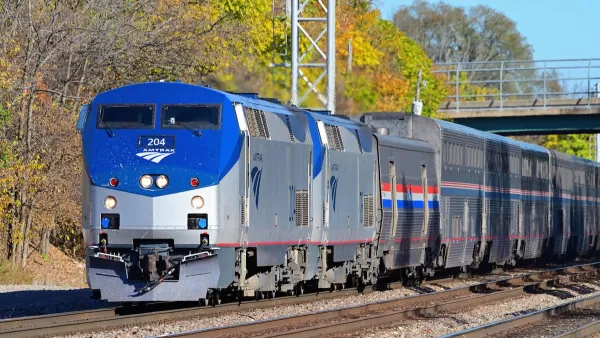
Amtrak Cutting Jobs, Funding to High-Speed Rail
The agency plans to cut 10 percent of its workforce and has confirmed it will not fund new high-speed rail projects.

Ohio Forces Data Centers to Prepay for Power
Utilities are calling on states to hold data center operators responsible for new energy demands to prevent leaving consumers on the hook for their bills.

MARTA CEO Steps Down Amid Citizenship Concerns
MARTA’s board announced Thursday that its chief, who is from Canada, is resigning due to questions about his immigration status.

Silicon Valley ‘Bike Superhighway’ Awarded $14M State Grant
A Caltrans grant brings the 10-mile Central Bikeway project connecting Santa Clara and East San Jose closer to fruition.

Urban Design for Planners 1: Software Tools
This six-course series explores essential urban design concepts using open source software and equips planners with the tools they need to participate fully in the urban design process.
Planning for Universal Design
Learn the tools for implementing Universal Design in planning regulations.

Caltrans
City of Fort Worth
Mpact (founded as Rail~Volution)
City of Camden Redevelopment Agency
City of Astoria
City of Portland
City of Laramie