




















It's time for Seattle to take a few chances with its architecture, according to the author of this article.


"Prowl the Web sites of some of Seattle's better architecture firms, and one of the peculiar trends you might pick out is that the most innovative work is arising in the form of weekend cabins in the Methow Valley. Partly, this is understandable -- architects and their clients naturally feel less inhibited when they're away from home and the intense scrutiny of the city.
But it also illustrates an unhappy trend in that city. As Seattle grows larger, denser, wealthier and ever more conscious of itself as a city of real importance, it seems less willing to take chances, explore the fringes, invert expectations and celebrate weirdness. Too much at stake.
You can see the perfect illustration in the 2007 Seattle Art Museum expansion, where the shack-up arrangement with Washington Mutual gave birth to a building that wears the stiffest of gray business suits. Although it provides excellent exhibit space for art inside, its expressionless public face beams the wrong message outside: no imagination, no adventure, no fun to be had here."
FULL STORY: On Architecture: Seattle architecture needs to have more fun

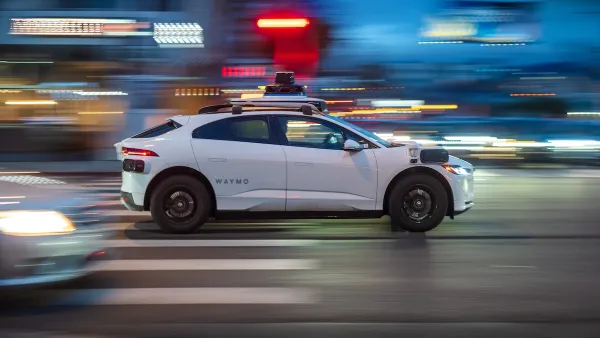
Seattle's Plan for Adopting Driverless Cars
Equity, safety, accessibility and affordability are front of mind as the city prepares for robotaxis and other autonomous vehicles.
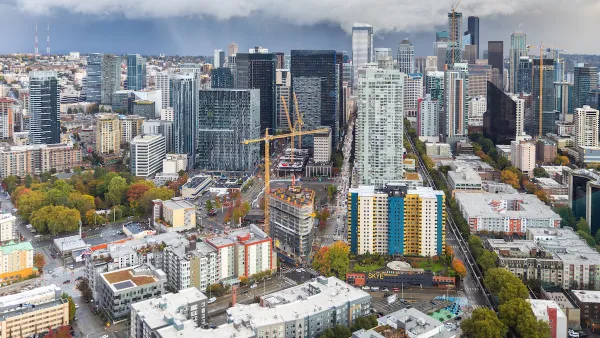
Seattle’s Upzoning Plan is Ambitious, Light on Details
The city passed a ‘bare-bones’ framework to comply with state housing laws that paves the way for more middle housing, but the debate over how and where to build is just getting started.
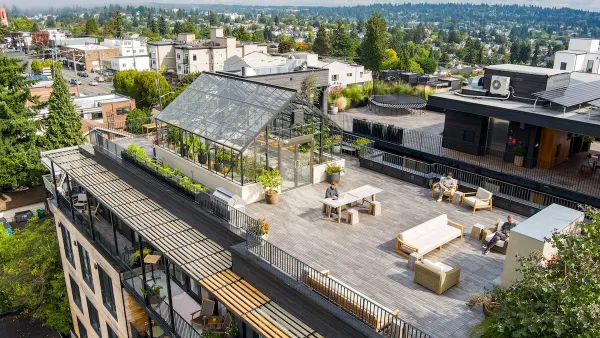
Seattle Families Build Their Dream Apartment Building From Scratch
A group of friends decided to buy land and finance the construction of a custom-built apartment building with unique apartment layouts and sizes and a wealth of shared amenities.

Planetizen Federal Action Tracker
A weekly monitor of how Trump’s orders and actions are impacting planners and planning in America.
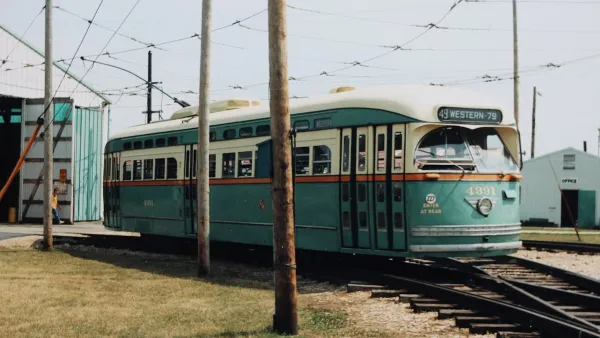
Chicago’s Ghost Rails
Just beneath the surface of the modern city lie the remnants of its expansive early 20th-century streetcar system.
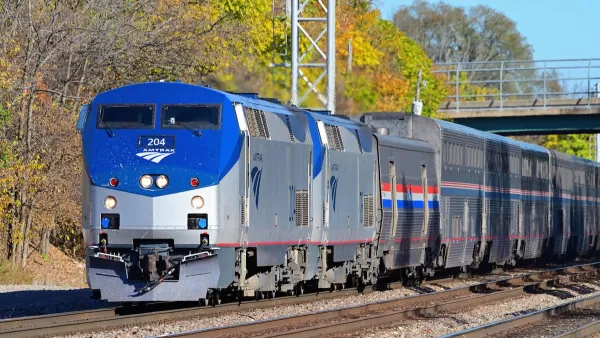
Amtrak Cutting Jobs, Funding to High-Speed Rail
The agency plans to cut 10 percent of its workforce and has confirmed it will not fund new high-speed rail projects.

Ohio Forces Data Centers to Prepay for Power
Utilities are calling on states to hold data center operators responsible for new energy demands to prevent leaving consumers on the hook for their bills.

MARTA CEO Steps Down Amid Citizenship Concerns
MARTA’s board announced Thursday that its chief, who is from Canada, is resigning due to questions about his immigration status.

Silicon Valley ‘Bike Superhighway’ Awarded $14M State Grant
A Caltrans grant brings the 10-mile Central Bikeway project connecting Santa Clara and East San Jose closer to fruition.

Urban Design for Planners 1: Software Tools
This six-course series explores essential urban design concepts using open source software and equips planners with the tools they need to participate fully in the urban design process.
Planning for Universal Design
Learn the tools for implementing Universal Design in planning regulations.

Caltrans
City of Fort Worth
Mpact (founded as Rail~Volution)
City of Camden Redevelopment Agency
City of Astoria
City of Portland
City of Laramie