The American trend of "fractional ownership", a real estate concept in which a number of investors own fractions of vacation homes, has moved to Europe.


"Long popular in the United States, fractional ownership - in which the costs of a vacation home or other asset are divided among a pool of members - is steadily making its way across the Atlantic. For prices starting at $100,000, not including annual dues, buyers can own a piece of a coveted property in the Tuscan hills, in the heart of Florence or in other European locales."
"The concept was introduced in the United States in the early 1990s as a more cost-effective alternative to buying and maintaining a high-end vacation home that might be used only a few weeks out of the year. Unlike two other cost-sharing models - timeshares and destination clubs - fractional ownership plans give members an equity stake in the property, which can be sold or transferred like wholly owned real estate. The members typically own the club and the real estate, while the developers make money from the initial sales."
"Fractional properties can be found in popular vacation destinations like Florida, Colorado and the Caribbean, but they were virtually unknown in Europe until recently, as developers saw an opportunity to transform crumbling farmhouses and historic buildings."
Read the full story: Fractional property ownership heads to Europe


Barcelona to Phase out All Short-Term Rentals
The city plans to stop issuing new or renewal licenses by 2029.

The State of the Market for Second Homes, Prior to the Pandemic
Half of the nation's second homes are found in nine states, according to recent data analysis by the National Association of Home Builders, and building is likely to increase in vacation areas soon, according to one expert.

The Jersey Shore—Or Philadelphia East
People who own property on the Jersey Shore tend to have a lot in common when it comes to geography, income, and religion.

Planetizen Federal Action Tracker
A weekly monitor of how Trump’s orders and actions are impacting planners and planning in America.

The state-sanctioned urbicide of Austin
People don’t kill cities. Freeways do.

Colorado’s Largest Data Center Could Rise Next to Homes — Without a Public Hearing
The proposed campus would consume 11 times the power of Denver International Airport; as it has across the country, opposition mounts.
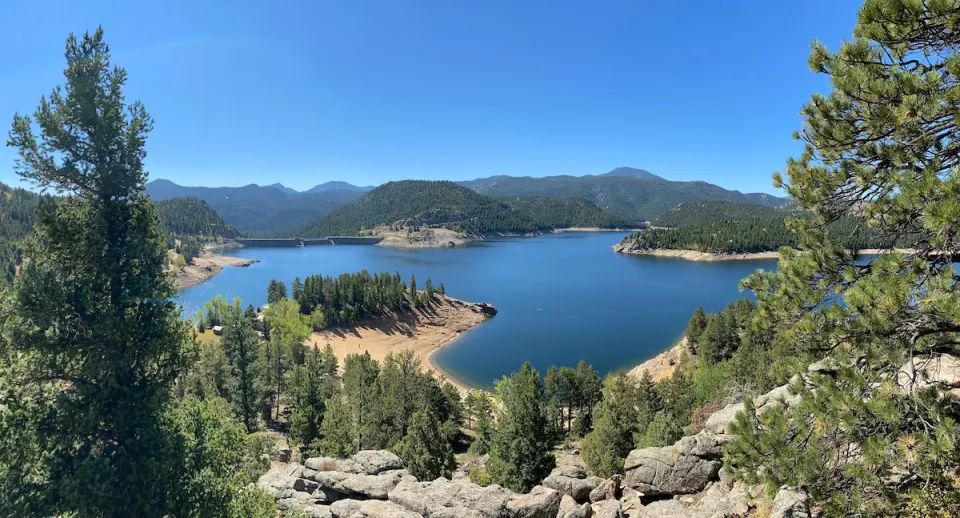
Judges permit Denver to divert 77,000 acre feet from the Colorado River for reservoir expansion
Overuse and climate change have caused the Colorado River’s water levels to plummet.
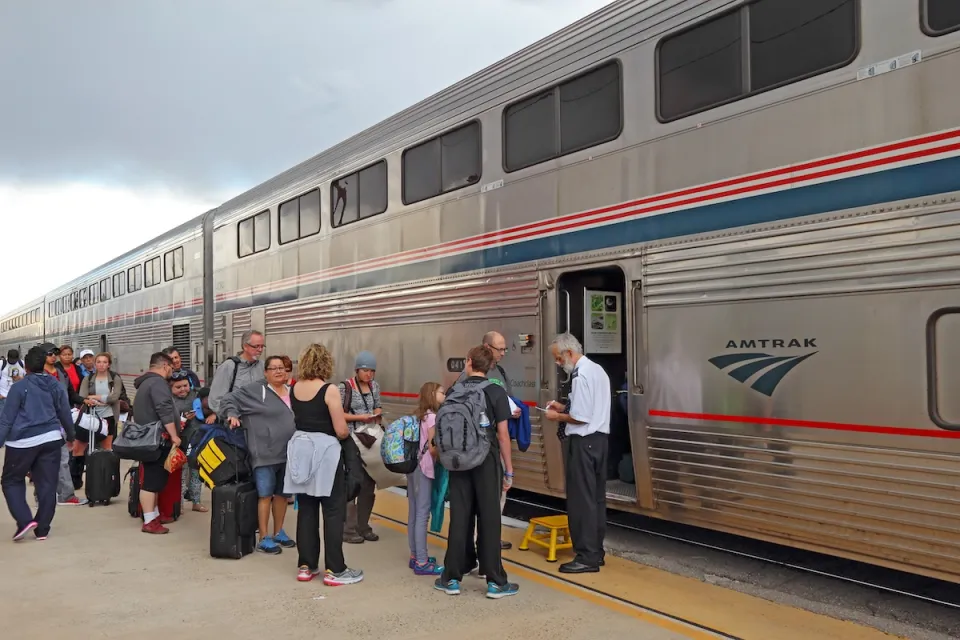
Amtrak, CN end decades-long dispute with eight-year agreement
The new operating agreement establishes an updated framework for the companies to work together, including processes to resolve disputes.

Raised interest rates may kill financially vulnerable construction projects
The chief economist at ConstructConnect warns that if construction project owners are negatively impacted by the raised rates, it could result in delayed payments to contractors.

FREE Course: Walkable City 1: Why Walkability?
After describing his path towards focusing on walkability as the essence of good planning, Jeff Speck marches through his five principal reasons for making more walkable places.
Reinventing Malls: Planning Alchemy—Turning Gray Fields Into Gold
The course focuses on the opportunities and imperatives that shape reinvention of mall sites.

KFH Group Inc.
Greater Baltimore Committee
Eagle County Government
The Architects Foundation
University of Cincinnati Online
The Pocatello Development Authority
The Urban Renewal Agency of the City of Pocatello