
























In this column from Governing, Peter Harkness looks at the increasing influence and power of metropolitan areas.


"As the general election contest gets under way, the Brookings Institution's Metropolitan Policy Program has embarked on an ambitious and clearly well-funded bid to change the way we look at the country and its economy, with the hope of influencing the debate during the campaign and then policy making by the new administration and Congress."
"The message goes like this: The top 100 metropolitan areas cover only 12 percent of the national land mass but are home to about two-thirds of its population and its jobs - and even larger shares of "innovative activity": 78 percent of its patents, 75 percent of those with graduate degrees, 79 percent of air cargo, 94 percent of venture capital funding, and so on. In all, they generate three-quarters of the gross domestic product."
"Add in more than 200 other smaller metro areas, and we truly are looking at a metropolitan nation. Peirce puts it in context: "As economic actors, major U.S. citistates compete in size with major world nations. In gross product, the New York region ranks 13th among the world's top economies, just ahead of Australia, Argentina and Russia. The Los Angeles citistate is bigger than Korea, Chicago greater than Taiwan or Switzerland." And so, he says, citistates are how "our world is now organizing itself" away from an old way of thinking (federal, state, local) to a new way: global, regional and neighborhood."
FULL STORY: The Metropolitan Era


What Are America's Fastest-Growing Cities?
Views about urban growth and decline often rely on statistics for metropolitan regions rather than cities proper. Here, Richard Florida looks at the fastest- and slowest-growing cities in America, separate from their metro areas.
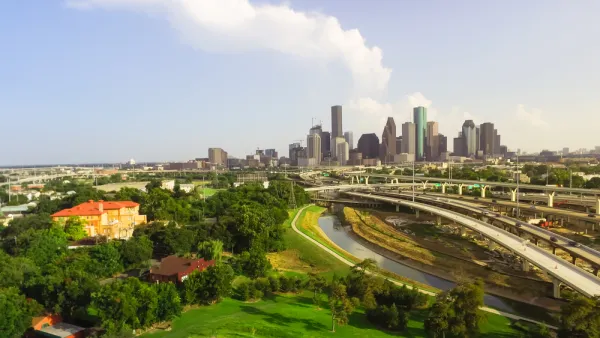
The Boundaries of Houston Don't Match the Perception of Houston
A more-than-6oo-square-mile city can get hard to map in our minds, especially when it blends so seamlessly into surrounding cities.
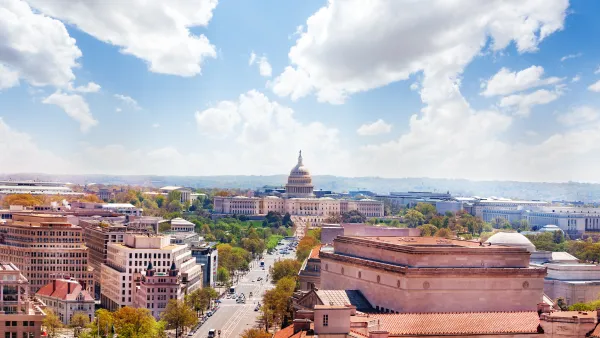
Examining the Income Inequality of Cities and Metro Areas
A rising tide doesn't necessarily lift all boats—even in a time of (mostly) decreasing income inequality at the city level.

Planetizen Federal Action Tracker
A weekly monitor of how Trump’s orders and actions are impacting planners and planning in America.

Chicago’s Ghost Rails
Just beneath the surface of the modern city lie the remnants of its expansive early 20th-century streetcar system.
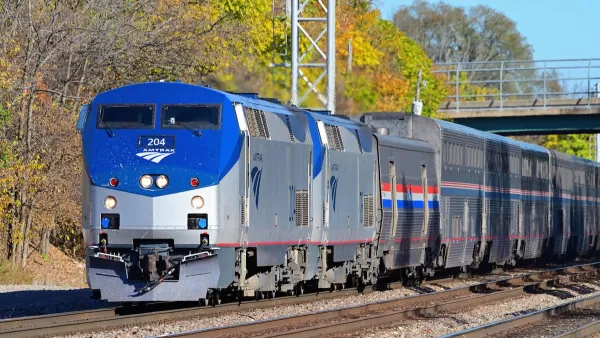
Amtrak Cutting Jobs, Funding to High-Speed Rail
The agency plans to cut 10 percent of its workforce and has confirmed it will not fund new high-speed rail projects.

Ohio Forces Data Centers to Prepay for Power
Utilities are calling on states to hold data center operators responsible for new energy demands to prevent leaving consumers on the hook for their bills.

MARTA CEO Steps Down Amid Citizenship Concerns
MARTA’s board announced Thursday that its chief, who is from Canada, is resigning due to questions about his immigration status.

Silicon Valley ‘Bike Superhighway’ Awarded $14M State Grant
A Caltrans grant brings the 10-mile Central Bikeway project connecting Santa Clara and East San Jose closer to fruition.

Urban Design for Planners 1: Software Tools
This six-course series explores essential urban design concepts using open source software and equips planners with the tools they need to participate fully in the urban design process.
Planning for Universal Design
Learn the tools for implementing Universal Design in planning regulations.

Caltrans
City of Fort Worth
Mpact (founded as Rail~Volution)
City of Camden Redevelopment Agency
City of Astoria
City of Portland
City of Laramie