Gina Olszowski's first book focuses on the personal stories of rural residents impacted by sprawl.


"Olszowski packed a bag, drove out to rural areas (all of them within an hour's drive of her apartment), snapped photographs of what she saw. Then she found people from all walks of life, and talked to them about their lives. In the book, the photos -- all of them in stark black-and-white -- are juxtaposed with snippets of interviews with farmers, suburban homeowners, mayors, and, near the end, experts in regional planning.
"It was difficult at first," she said. "A lot of people were confused about what I was trying to do. People think when you start talking about sprawl that you have something to profess, like some legislation."
But eventually she earned the trust of the 12 characters that make up her narrative. Olszowski said she wasn't looking to write a typical book about the technical details of urban sprawl -- those books already exist, she said, and the average person just doesn't read them. Her plan was to create something more human, something that captured the motions and emotions of daily life."
Read the full story: The book on sprawl
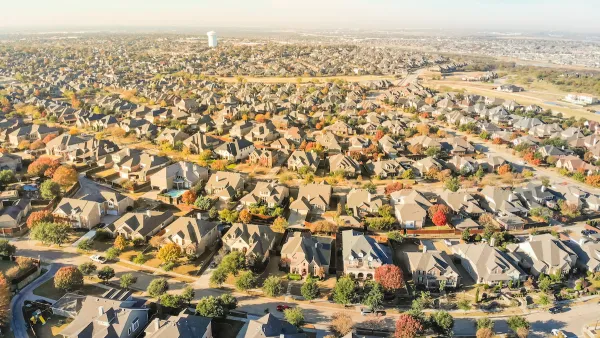
Zoning for Good
A new book highlights the power of zoning to change communities for the better.
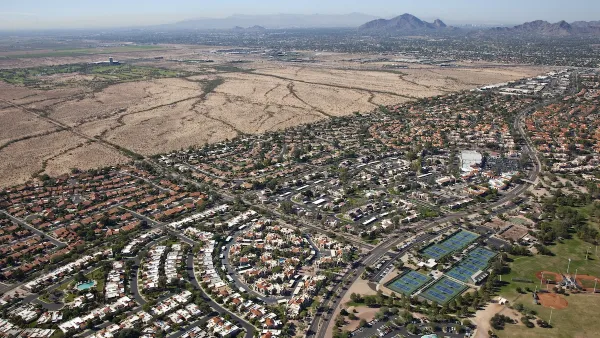
Nearly Half a Million New Arizona Homes Halted Due to Water Crisis
The Arizona Department of Water Resources has put a moratorium on new water supply permits, making the future of planned residential developments uncertain.
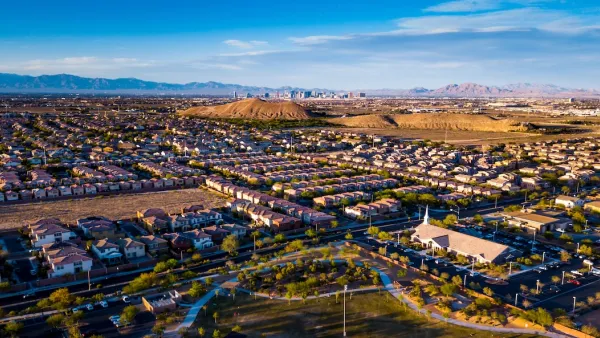
The Nation’s 40 Fastest-Growing Suburbs
Projected population growth will be concentrated in suburban communities around major metropolitan areas, with the Sunbelt experiencing the fastest growth.

Desperate measures: Advocates weigh draining Lake Powell to fill Colorado River
Draining the reservoir could reduce evaporation losses by a couple hundred thousand acre-feet.

Eastern Nebraska is running out of electricity
Data centers and electrification are straining eastern Nebraska’s grid, throttling economic development.

Malls are becoming the midtowns of the future
Mall and office park redevelopments are a generational opportunity to create new nodes of urbanity.

Officials claim feds 'rushed' Amtrak environmental review
Amtrak plans to move their Chicago maintenance facility from an industrial area to a residential one.

NYC breaks ground on anti-flooding infrastructure project
New York City's new system will reduce stormwater flows to local sewers by 90%.

One Kentucky town’s secret to affordable housing
The Smoketown Community Land Trust has already built seven affordable homes for community members.

FREE Course: Walkable City 1: Why Walkability?
After describing his path towards focusing on walkability as the essence of good planning, Jeff Speck marches through his five principal reasons for making more walkable places.
Reinventing Malls: Planning Alchemy—Turning Gray Fields Into Gold
The course focuses on the opportunities and imperatives that shape reinvention of mall sites.

City of Rosemead
Rutgers University, Edward J. Bloustein School of Planning and Public Policy
One Hundred Miles
University of Michigan School for Environment and Sustainability (SEAS)
Hunter College, City University of New York (CUNY)
The Architects Foundation
City of Cambridge
Montrose County
The Pocatello Development Authority