






















This commentary from the Austin American Statesman argues that the city's aim to become the country's most livable city is undercut by its low number of community gardens.


"The laundry list of green initiatives adopted by the City of Austin is a tribute to Austin's commitment to becoming the most livable city in the country. Green oases in the middle of urban areas, community gardens are a necessary part of any livable city. Located in areas easily accessible to residents, these public spaces offer land on which neighbors work together to grow their own food, thereby reducing fuel consumption and pollution emitted by trucking produce across the country."
"Austin is home to 12 community gardens. For a city the size of Austin, this number is well below that of urban areas of similar size. In Portland, Ore., the Parks and Recreation department operates 30 community gardens with assistance from the Friends of Portland Community Gardens. Seattle's Department of Neighborhoods P-Patch Program works with the P-Patch Trust to support the efforts of 54 community gardens."
"Unlike the public programming that supports community gardening in Portland and Seattle, the process for starting a garden in Austin is cumbersome and costly. Though the city does permit groups to use public land for gardens for a nominal annual fee, only five community gardens reside on public property."
FULL STORY: Banks: What's so livable about a city without community gardens?

Guerilla Urbanism: Small Interventions, Big Impact
Citizen-led projects can lead to broader changes — if cities will listen.
How Nonprofits Are Shaping Sustainable Cities
Learn about nonprofits' pivotal role in urban sustainability, from policy advocacy to launching eco-initiatives that are transforming cityscapes for the better.
Revitalizing Texas: Sustainable Rail Solutions
An argument for why investing in trains is the key to sustainable growth and economic success in the Lone Star State.

Planetizen Federal Action Tracker
A weekly monitor of how Trump’s orders and actions are impacting planners and planning in America.
Chicago’s Ghost Rails
Just beneath the surface of the modern city lie the remnants of its expansive early 20th-century streetcar system.
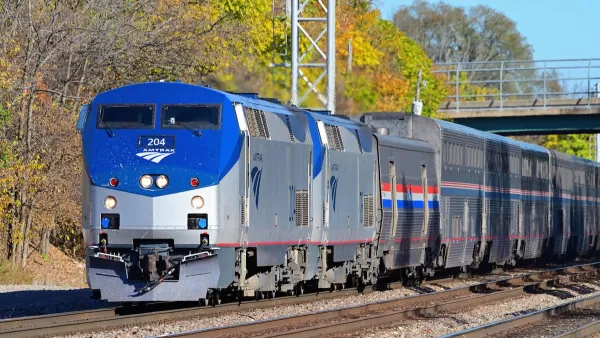
Amtrak Cutting Jobs, Funding to High-Speed Rail
The agency plans to cut 10 percent of its workforce and has confirmed it will not fund new high-speed rail projects.

Ohio Forces Data Centers to Prepay for Power
Utilities are calling on states to hold data center operators responsible for new energy demands to prevent leaving consumers on the hook for their bills.

MARTA CEO Steps Down Amid Citizenship Concerns
MARTA’s board announced Thursday that its chief, who is from Canada, is resigning due to questions about his immigration status.

Silicon Valley ‘Bike Superhighway’ Awarded $14M State Grant
A Caltrans grant brings the 10-mile Central Bikeway project connecting Santa Clara and East San Jose closer to fruition.

Urban Design for Planners 1: Software Tools
This six-course series explores essential urban design concepts using open source software and equips planners with the tools they need to participate fully in the urban design process.
Planning for Universal Design
Learn the tools for implementing Universal Design in planning regulations.

Caltrans
City of Fort Worth
Mpact (founded as Rail~Volution)
City of Camden Redevelopment Agency
City of Astoria
City of Portland
City of Laramie