




















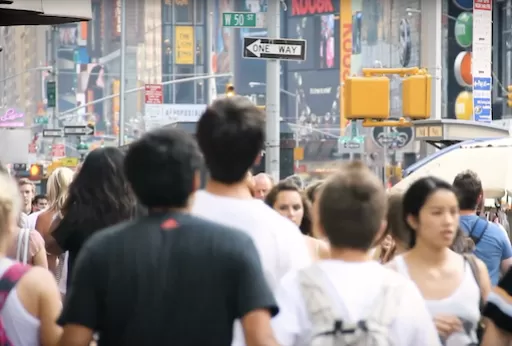
Seattle's new local food initiative will try to help provide access to health, fresh food in neighborhoods that are a long walk or bus ride from a supermarket.


"With two new supermarkets anchoring planned condo buildings, industry standards would say West Seattle has reached a saturation point for grocery stores.
Tell that to Maggieh Rathbun. To buy fresh food, the carless Delridge resident has to spend hours on the bus or climb hills as steep as ski jumps.
It's easier to find fried chicken gizzards than a piece of fruit in the quickie marts lining the 3-mile Delridge Way corridor.
That's one of many Seattle neighborhoods that University of Washington researchers found have no access to a grocery store within a 30-minute bus ride. In wealthier single-family areas, such as west Ballard or along Lake Washington, walking to buy food often isn't easy.
That makes it hard to combat climate change and create a more livable city. For lower-income residents without a car, poor transit access to grocery stores can be an immediate barrier to healthful eating.
"It depends on what kind of day I'm having with my diabetes to decide whether I'm just going to make do with a bowl of cereal or try to go get something better," said Rathbun, 55.
After passing a local food initiative this week, the Seattle City Council joined other cities in weighing how strongly local governments should promote access to healthy food for all residents."
FULL STORY: A long haul just to get their daily bread

Urban Farming Program Struggles to Sprout
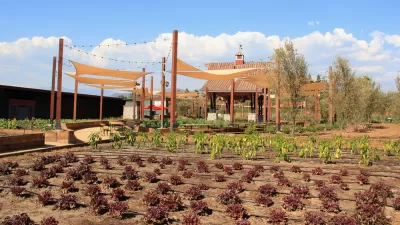
Los Angeles created a tax incentive to promote urban farms on the thousands of vacant lots around the city. So far, the incentive has been given out only four times.
From Breadbasket to Food Desert
The rural Midwest produces much of our nation's food supply, and yet small towns in the heartland and around America are increasingly and ironically becoming food deserts - places where citizens have little access to fresh, healthy foods.
Sustainable Urban Design: A New Tool and Approach on The Talking Headways Podcast
Discover how the Sustainable Urban Design Framework helps planners create livable, sustainable communities. Nico Larco from the University of Oregon explores a new tool and book in the latest “Talking Headways” podcast.

Planetizen Federal Action Tracker
A weekly monitor of how Trump’s orders and actions are impacting planners and planning in America.
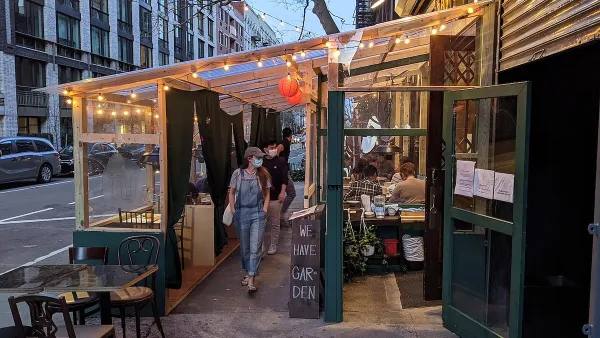
Restaurant Patios Were a Pandemic Win — Why Were They so Hard to Keep?
Social distancing requirements and changes in travel patterns prompted cities to pilot new uses for street and sidewalk space. Then it got complicated.
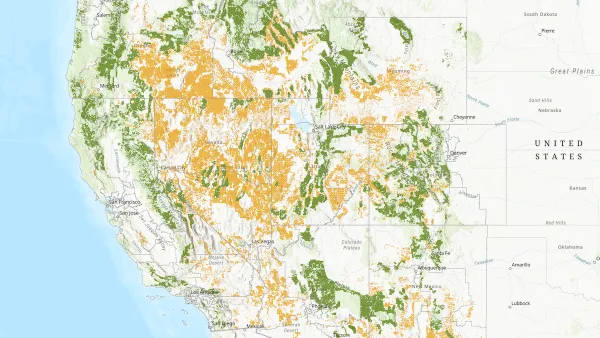
Map: Where Senate Republicans Want to Sell Your Public Lands
For public land advocates, the Senate Republicans’ proposal to sell millions of acres of public land in the West is “the biggest fight of their careers.”

Maui's Vacation Rental Debate Turns Ugly
Verbal attacks, misinformation campaigns and fistfights plague a high-stakes debate to convert thousands of vacation rentals into long-term housing.

San Francisco Suspends Traffic Calming Amidst Record Deaths
Citing “a challenging fiscal landscape,” the city will cease the program on the heels of 42 traffic deaths, including 24 pedestrians.

California Homeless Arrests, Citations Spike After Ruling
An investigation reveals that anti-homeless actions increased up to 500% after Grants Pass v. Johnson — even in cities claiming no policy change.

Urban Design for Planners 1: Software Tools
This six-course series explores essential urban design concepts using open source software and equips planners with the tools they need to participate fully in the urban design process.
Planning for Universal Design
Learn the tools for implementing Universal Design in planning regulations.

Heyer Gruel & Associates PA
JM Goldson LLC
Custer County Colorado
City of Camden Redevelopment Agency
City of Astoria
Transportation Research & Education Center (TREC) at Portland State University
Camden Redevelopment Agency
City of Claremont
Municipality of Princeton (NJ)