Filmmaker Danny Schechter reflects on the extent of America's debt crisis, and wonders if we need something like the Oscars to help name and identify those responsible.


"Fear of economic collapse is replacing fear of terrorism. The real homeland insecurity these days is to be found among the two-to five million (yup, the number has been expanded) American families who are in danger of having their homes foreclosed. Add in all their tenants and their neighborhoods-because when one house goes, property values decline next door and the tax base quickly erodes.
California is among the hardest hit states...650,000 foreclosed properties were for sale in California according to RealyTrac, the company that is tracking this slow-motion disaster. That was an increase of 177% over the year before. 9821 California homes went into foreclosure just this past January, says another research firm, representing about $8 billion in value. Over 25,000 homes are in pre-foreclosure in Los Angeles alone as of Oscar Sunday. Nationwide, 1.7 million homes defaulted last year.
Most of these homes were owner -occupied, so we are not just talking about an abstraction but millions of real people, disrupted lives and dreams for families affecting schooling and even voting because most registrations are residential. This problem has been called a "50-State Katrina."
And most of these homeowners are likely in deep debt now that they can't use their homes as ATM machines to pay off their credit card bills. Many of those who borrowed themselves into a modern form of serfdom didn't realize how much they would have to pay. They are the new victims of downward mobility. No wonder most marriages break up under this kind of stress. Late night TV is filled with commercials for debt consolidation because these companies know how much anxiety and sleeplessness afflict those in debt."
Read the full story: The Crash That’s Coming: More Bubbles Are Turning ‘There Will Be Blood’ From Fiction to Prophecy


Planetizen Federal Action Tracker
A weekly monitor of how Trump’s orders and actions are impacting planners and planning in America.

‘Going backwards:’ Baltimore mayor, students rally against state's transit funding plan
Maryland's proposed six-year plan provides no funding for Baltimore’s BMORE bus program and reduces its road maintenance funding.
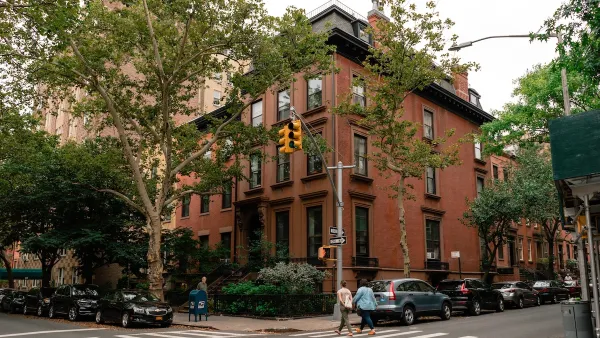
Mamdani sent nearly 6,000 pied-à-terre tax warnings to homes that didn’t qualify
A judge has ordered the administration to cancel thousands of pied-à-terre tax notices after it sent 35% of them erroneously.

MTA expects Trump’s tariffs to increase new NYC transit costs by $1 billion
The Metropolitan Transit Authority said the cost of new subway cars has risen by 30% since Trump began his second term as president.

Alaska takes public comment on new long-term plan for roads, bridges and more
Alaska's draft Statewide Transportation Improvement Program includes over $1 billion for the Alaska Marine Highway System.

A Colorado neighborhood is the testing ground for the future of home energy
A start up may have found a way to quickly bring geothermal energy to new communities.

FREE Course: Walkable City 1: Why Walkability?
After describing his path towards focusing on walkability as the essence of good planning, Jeff Speck marches through his five principal reasons for making more walkable places.
Reinventing Malls: Planning Alchemy—Turning Gray Fields Into Gold
The course focuses on the opportunities and imperatives that shape reinvention of mall sites.

City of Thousand Oaks
City of Wisconsin Rapids
Harvard University Graduate School of Design
The Architects Foundation
University of Cincinnati Online
Northern Illinois Transit Authority (NITA)
The Pocatello Development Authority
The Urban Renewal Agency of the City of Pocatello