




















Japan's leech invasion may be an unintended consequence of successful reforestation efforts combined with rural population declines.


"What to make of this leech fest?...Japan's remarkable reforestation record is hardly a new phenomenon. In fact, Japan has reforested itself twice -- once dating back to the 1600s, and again after World War II. Likewise, Japan's demographic woes have been a hot topic for years. Japan's population of 127 million has peaked, and some estimates predict the total will drop to 95 million by 2050.
The most dramatic decline is occurring in rural Japan where the few young people who are actually being born are abandoning the countryside for the city. Which means, according to Asahi Shimbun, that not only are local forests thriving, but that the buffer areas between inhabited regions and the forest are being neglected. The ensuing profusion of weedy growth attracts animals whose numbers are increasing because of hunting restrictions and warm winters. The leeches latch on to the beasties and go for a ride, looking for more fresh meat.
Japan's success at reforestation offers an encouraging model to the rest of the world. Likewise, its imminent population decline suggests that humanity isn't necessarily doomed to perish under the weight of its own numbers. But even so, as a metaphor for the kind of unexpected, and unwelcome, manifestations likely to result from human mismanagement of the world's natural resources, a plague of bloodsucking leeches is not too shabby."
FULL STORY: A plague of bloodsuckers


Planetizen Federal Action Tracker
A weekly monitor of how Trump’s orders and actions are impacting planners and planning in America.
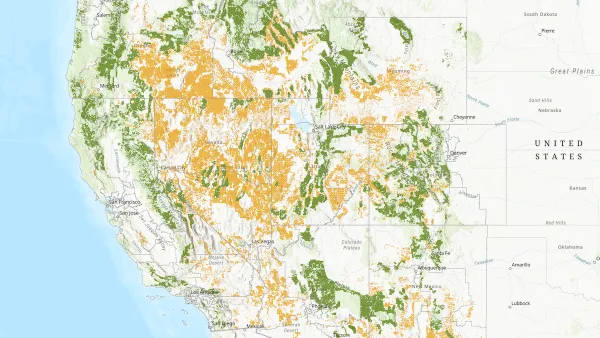
Map: Where Senate Republicans Want to Sell Your Public Lands
For public land advocates, the Senate Republicans’ proposal to sell millions of acres of public land in the West is “the biggest fight of their careers.”
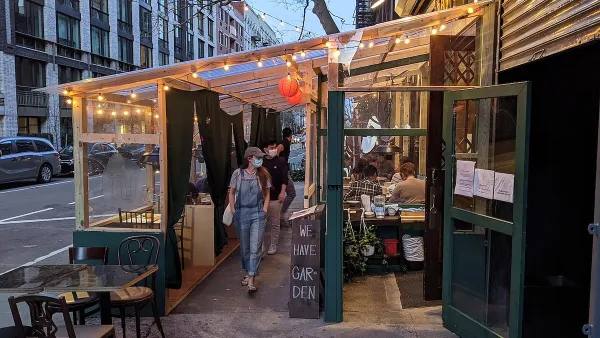
Restaurant Patios Were a Pandemic Win — Why Were They so Hard to Keep?
Social distancing requirements and changes in travel patterns prompted cities to pilot new uses for street and sidewalk space. Then it got complicated.

Platform Pilsner: Vancouver Transit Agency Releases... a Beer?
TransLink will receive a portion of every sale of the four-pack.

Toronto Weighs Cheaper Transit, Parking Hikes for Major Events
Special event rates would take effect during large festivals, sports games and concerts to ‘discourage driving, manage congestion and free up space for transit.”

Berlin to Consider Car-Free Zone Larger Than Manhattan
The area bound by the 22-mile Ringbahn would still allow 12 uses of a private automobile per year per person, and several other exemptions.

Urban Design for Planners 1: Software Tools
This six-course series explores essential urban design concepts using open source software and equips planners with the tools they need to participate fully in the urban design process.
Planning for Universal Design
Learn the tools for implementing Universal Design in planning regulations.

Heyer Gruel & Associates PA
JM Goldson LLC
Custer County Colorado
City of Camden Redevelopment Agency
City of Astoria
Transportation Research & Education Center (TREC) at Portland State University
Camden Redevelopment Agency
City of Claremont
Municipality of Princeton (NJ)