























Findings from a new study on air pollution found that notwithstanding lower traffic volumes, "heavily traveled secondary highways" may be just as toxic as freeways laden with diesel trucks or major railyards.


Students at a Roseville middle school near busy, 6-lane Watt Avenue "are breathing higher levels of toxic particles than people immediately downwind of the Roseville train yard, the single largest generator of such pollution in the Sacramento area, according to an air pollution study scheduled to be released today (Dec.13).
"It shocked us all," said Thomas Cahill, a University of California, Davis, atmospheric physicist who led the study."
"Those findings spurred Cahill to look deeper. How could particle pollution that is normally associated with diesel soot be just as high along residential Watt as a freeway, with all its soot spewing trucks and buses? The most likely answer, the scientists concluded, was that the particles near the Arden school came mostly from run-down cars burning engine oil.
"A small fraction of cars dominates the automotive pollution," Cahill said. "That's a small fraction of cars putting out very toxic stuff."
Smoke from burned motor oil contains benzo-a-pyrene, the most prevalent cancer-causing air pollutant in California, Cahill said.
"Just because people may live along residential streets instead of freeways doesn't mean that they're safe from the harmful effects of car exhaust particulates, " Cahill said.
Thanks to Jennifer Finton


Planetizen Federal Action Tracker
A weekly monitor of how Trump’s orders and actions are impacting planners and planning in America.
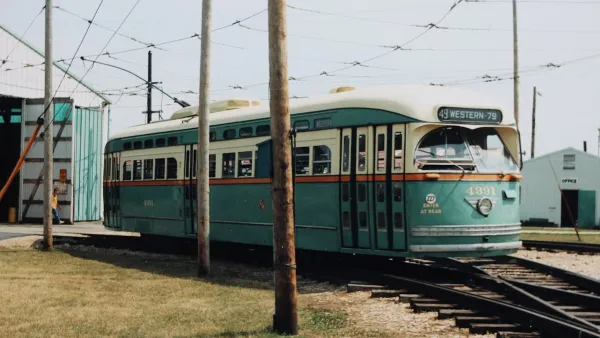
Chicago’s Ghost Rails
Just beneath the surface of the modern city lie the remnants of its expansive early 20th-century streetcar system.
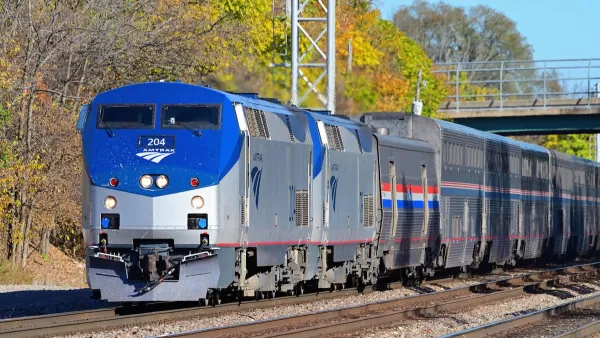
Amtrak Cutting Jobs, Funding to High-Speed Rail
The agency plans to cut 10 percent of its workforce and has confirmed it will not fund new high-speed rail projects.

Ohio Forces Data Centers to Prepay for Power
Utilities are calling on states to hold data center operators responsible for new energy demands to prevent leaving consumers on the hook for their bills.

MARTA CEO Steps Down Amid Citizenship Concerns
MARTA’s board announced Thursday that its chief, who is from Canada, is resigning due to questions about his immigration status.

Silicon Valley ‘Bike Superhighway’ Awarded $14M State Grant
A Caltrans grant brings the 10-mile Central Bikeway project connecting Santa Clara and East San Jose closer to fruition.

Urban Design for Planners 1: Software Tools
This six-course series explores essential urban design concepts using open source software and equips planners with the tools they need to participate fully in the urban design process.
Planning for Universal Design
Learn the tools for implementing Universal Design in planning regulations.

Caltrans
City of Fort Worth
Mpact (founded as Rail~Volution)
City of Camden Redevelopment Agency
City of Astoria
City of Portland
City of Laramie