






















Despite the wave of green building techniques that have appeared over recent years, the energy efficiency of new houses is being offset by a rising average size of single family homes, which has increased by almost 1,500 square feet since 1950.


"In the past few decades, houses have gotten greener, but they've gotten bigger too, leaving lingering questions: Is super-sized housing defeating conservation efforts? Can McMansions truly be green?"
"Houses are a major place to look for environmental gains. Besides consuming materials like lumber, the residential sector uses 21 percent of the nation's energy, according to the Energy Information Administration (EIA). EIA reports indicate that over the past 20 or 30 years, energy-saving measures like efficient windows and refrigerators have become commonplace."
"Meanwhile, homes have steadily grown from sedan- to Hummer-sized. According to the National Association of Home Builders, the average new single-family home was 983 square feet in 1950, 1,500 square feet in 1970, and 2,434 square feet in 2005. This occurred even as the average household shrunk from 3.4 to 2.6 people."
FULL STORY: Hummers on the Homefront


Maui's Vacation Rental Debate Turns Ugly
Verbal attacks, misinformation campaigns and fistfights plague a high-stakes debate to convert thousands of vacation rentals into long-term housing.

Planetizen Federal Action Tracker
A weekly monitor of how Trump’s orders and actions are impacting planners and planning in America.
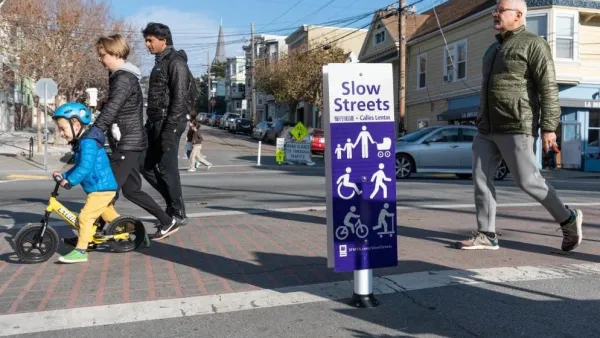
San Francisco Suspends Traffic Calming Amidst Record Deaths
Citing “a challenging fiscal landscape,” the city will cease the program on the heels of 42 traffic deaths, including 24 pedestrians.

Defunct Pittsburgh Power Plant to Become Residential Tower
A decommissioned steam heat plant will be redeveloped into almost 100 affordable housing units.

Trump Prompts Restructuring of Transportation Research Board in “Unprecedented Overreach”
The TRB has eliminated more than half of its committees including those focused on climate, equity, and cities.

Amtrak Rolls Out New Orleans to Alabama “Mardi Gras” Train
The new service will operate morning and evening departures between Mobile and New Orleans.

Urban Design for Planners 1: Software Tools
This six-course series explores essential urban design concepts using open source software and equips planners with the tools they need to participate fully in the urban design process.
Planning for Universal Design
Learn the tools for implementing Universal Design in planning regulations.

Heyer Gruel & Associates PA
JM Goldson LLC
Custer County Colorado
City of Camden Redevelopment Agency
City of Astoria
Transportation Research & Education Center (TREC) at Portland State University
Jefferson Parish Government
Camden Redevelopment Agency
City of Claremont