


























Housing developments are threatening centuries-old agricultural land in Western North Carolina, but farmers are fighting off developers with the help of conservation easements.


Farmland in Western North Carolina that has been farmed for generations is steadily decreasing, as more and more housing pops up on the viable agriculture land.
"The changes are mostly small and incremental â€" parents selling off portions of their farm here or there, often to younger family members wanting to build houses of their own. But cumulatively, even these minor changes are altering the complexion of rural areas and driving up the price of land. And bigger changes are on the horizon. A subdivision named Whisper Mountain, of 70 homes on 259 acres, is planned for the valley."
"At a recent meeting on farmland preservation held near Fletcher, a speaker asked the group of farmers gathered how many of them had been asked to sell their land during the past few months. Nearly everyone in the crowded room raised a hand."
But some farmers are taking steps to ensure that development on their land is limited, no matter who actually owns it. Many farmers are entering their land into conservation easements -- legally binding agreements in which the state, the county or nonprofit conservancies such as land trusts control the development rights to land. These entities are responsible for ensuring that any development at any point in the future is in compliance with the easement's terms. In the case of a conservation easement, those terms limit development to a certain percent of the land, thereby conserving the majority.
FULL STORY: Gaining ground


Planetizen Federal Action Tracker
A weekly monitor of how Trump’s orders and actions are impacting planners and planning in America.
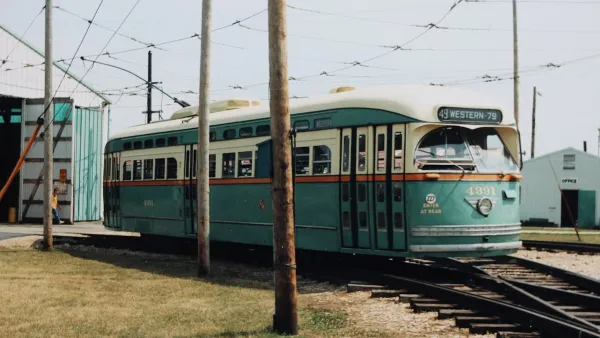
Chicago’s Ghost Rails
Just beneath the surface of the modern city lie the remnants of its expansive early 20th-century streetcar system.
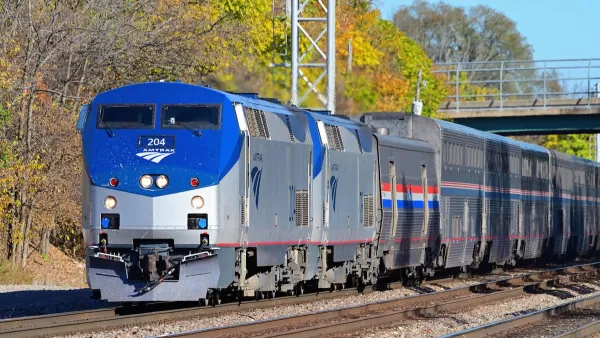
Amtrak Cutting Jobs, Funding to High-Speed Rail
The agency plans to cut 10 percent of its workforce and has confirmed it will not fund new high-speed rail projects.

Ohio Forces Data Centers to Prepay for Power
Utilities are calling on states to hold data center operators responsible for new energy demands to prevent leaving consumers on the hook for their bills.

MARTA CEO Steps Down Amid Citizenship Concerns
MARTA’s board announced Thursday that its chief, who is from Canada, is resigning due to questions about his immigration status.

Silicon Valley ‘Bike Superhighway’ Awarded $14M State Grant
A Caltrans grant brings the 10-mile Central Bikeway project connecting Santa Clara and East San Jose closer to fruition.

Urban Design for Planners 1: Software Tools
This six-course series explores essential urban design concepts using open source software and equips planners with the tools they need to participate fully in the urban design process.
Planning for Universal Design
Learn the tools for implementing Universal Design in planning regulations.

Caltrans
City of Fort Worth
Mpact (founded as Rail~Volution)
City of Camden Redevelopment Agency
City of Astoria
City of Portland
City of Laramie