Historian Larry Gerckens outlines the ten successes that have shaped the modern American City -- from sewage systems to integrated transportation.


From Success #9, "Control of Land Subdivision", Gerckens write:
"From William Penn's 1683 plan for Philadelphia to the latest neo-traditional addition, the primary American town building motivation has been land speculation. In the nineteenth century this led to oversubdivision, resulting in vacant lots, undeveloped streets, and large-scale default of property to the public through failure to meet tax payments. Lots were often sold with inaccurate or nonexistent surveys, with no access to public streets, or with areas too small to be built upon. Streets were laid out with either inadequate or overly generous rights-of-way, and often on slopes too steep to be negotiated.
Laurence Gerckens is the national historian for the American Institute of Certified Planners and founder of The Society for American City and Regional Planning History.
Thanks to Wayne Senville
Read the full story: Ten Successes that Shaped the 20th Century American City (PDF, 100KB)


Planetizen Federal Action Tracker
A weekly monitor of how Trump’s orders and actions are impacting planners and planning in America.
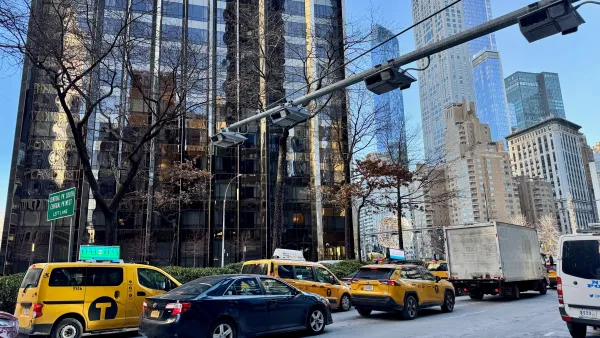
Data reveals that NYC’s bet on congestion pricing has paid off
After almost two years of the program, reports show positive impacts on traffic and air quality and no disruptions to parking.
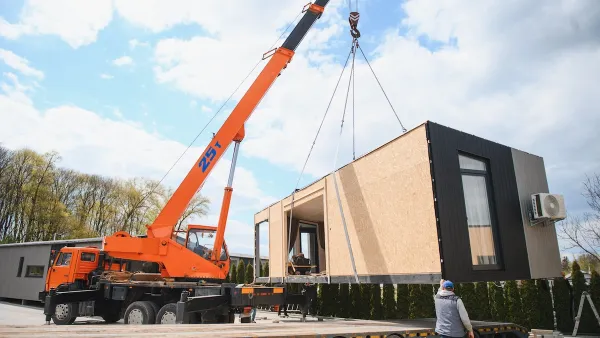
HUD modernizes 50-year-old manufactured housing framework
The Next Generation Manufactured Housing Action Plan establishes new energy-efficiency standards for manufactured homes, and new guidelines for anchoring them.

Small single-family homes are illegal in most of MA. Voters can change that
Most land zoned for single-family housing in Massachusetts requires at least 40,000 square feet of land per house.

Public steps inside U.S.’s first battery-powered train
Metra’s groundbreaking train feature modern seats and a futuristic battery car.

Companies show off AI technology, new innovation hubs at APTA Expo
Nearly 700 companies attended the American Public Transportation Association’s Expo last week, which happens once every three years.

FREE Course: Walkable City 1: Why Walkability?
After describing his path towards focusing on walkability as the essence of good planning, Jeff Speck marches through his five principal reasons for making more walkable places.
Reinventing Malls: Planning Alchemy—Turning Gray Fields Into Gold
The course focuses on the opportunities and imperatives that shape reinvention of mall sites.

One Hundred Miles
County of Mendocino
planning NEXT
The Architects Foundation
University of Cincinnati Online
Montrose County
Northern Illinois Transit Authority (NITA)
The Pocatello Development Authority