





















Historic preservation and urban revitalization may seem perfect pairs, but the two rarely meet as often as they should.


Philadelphia's most attractive and expensive neighborhoods are often at least partially contained within historic districts that protect the old urban form of the built environment. Not so for low-income sections. "While most of Philadelphia's historic districts are in well-off areas, it is our poorest areas that need protection the most."
Because of the fears that historic preservation efforts would price-out low income residents, sections of the city that are every bit as historic as those protected are left to the will of the wrecking ball. "Developers or the city for that matter--don't hesitate to tear down dilapidated houses in North or West Philly that would be rehabbed and renovated in a wealthier community."
But it is because developers are less inclined to preserve on tight budgets that preservation efforts in these neighborhoods are so important. Instead of seeing the two as opposing forces, they should be designed to complement each other. "Historic buildings are our neighborhoods' greatest assets for revitalization. By destroying them, we deprive our poorest neighborhoods of valuable opportunities for current residents and business owners."
Thanks to Ted Leimbach
FULL STORY: We're History


Planetizen Federal Action Tracker
A weekly monitor of how Trump’s orders and actions are impacting planners and planning in America.
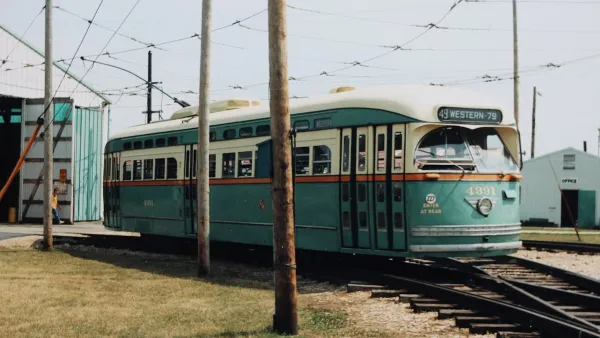
Chicago’s Ghost Rails
Just beneath the surface of the modern city lie the remnants of its expansive early 20th-century streetcar system.
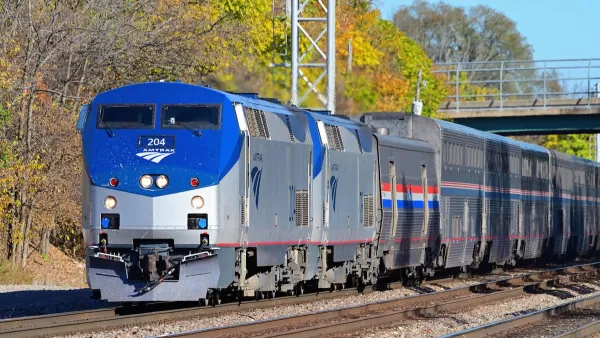
Amtrak Cutting Jobs, Funding to High-Speed Rail
The agency plans to cut 10 percent of its workforce and has confirmed it will not fund new high-speed rail projects.

Ohio Forces Data Centers to Prepay for Power
Utilities are calling on states to hold data center operators responsible for new energy demands to prevent leaving consumers on the hook for their bills.

MARTA CEO Steps Down Amid Citizenship Concerns
MARTA’s board announced Thursday that its chief, who is from Canada, is resigning due to questions about his immigration status.

Silicon Valley ‘Bike Superhighway’ Awarded $14M State Grant
A Caltrans grant brings the 10-mile Central Bikeway project connecting Santa Clara and East San Jose closer to fruition.

Urban Design for Planners 1: Software Tools
This six-course series explores essential urban design concepts using open source software and equips planners with the tools they need to participate fully in the urban design process.
Planning for Universal Design
Learn the tools for implementing Universal Design in planning regulations.

Caltrans
City of Fort Worth
Mpact (founded as Rail~Volution)
City of Camden Redevelopment Agency
City of Astoria
City of Portland
City of Laramie