




















Retail entertainment has exceeded the seemingly inflated expectations of a decade ago.


The 1990s saw the introduction of entertainment as a hot new shopping center type. But as is often the case with new retail concepts, experimentation and market realities led to some unexpected results. While stand-alone retail entertainment centers are still being created in specialized urban or faux-urban locations, they have not taken over the retail world in the way some originally envisioned. Instead, the impact has been more subtle and broad based. Even the terms used to describe retail entertainment have changed. What once were called urban entertainment centers are often referred to now as retail entertainment developments, lifestyle entertainment centers, destination developments, or entertainment-enhanced retail environments. In some cases, though entertainment is present at these developments, it is taken for granted and not mentioned at all.
...These entertaining environments, todays version of retail entertainment, are being successfully introduced, integrated, and sustained as an essential component of an impressively wide range of development types: new multiuse communities and town centers; repositioned strip centers and regional shopping malls; main street projects and urban mixed-use developments; sports facilities, museums, and casinos; historic and cultural districts; and downtowns (urban and suburban), waterfronts, and neighborhood commercial districts."
Thanks to Chris Steins
FULL STORY: Entertaining Development

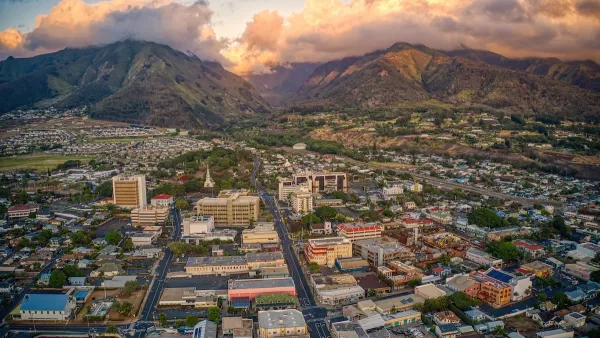
Maui's Vacation Rental Debate Turns Ugly
Verbal attacks, misinformation campaigns and fistfights plague a high-stakes debate to convert thousands of vacation rentals into long-term housing.

Planetizen Federal Action Tracker
A weekly monitor of how Trump’s orders and actions are impacting planners and planning in America.

Chicago’s Ghost Rails
Just beneath the surface of the modern city lie the remnants of its expansive early 20th-century streetcar system.
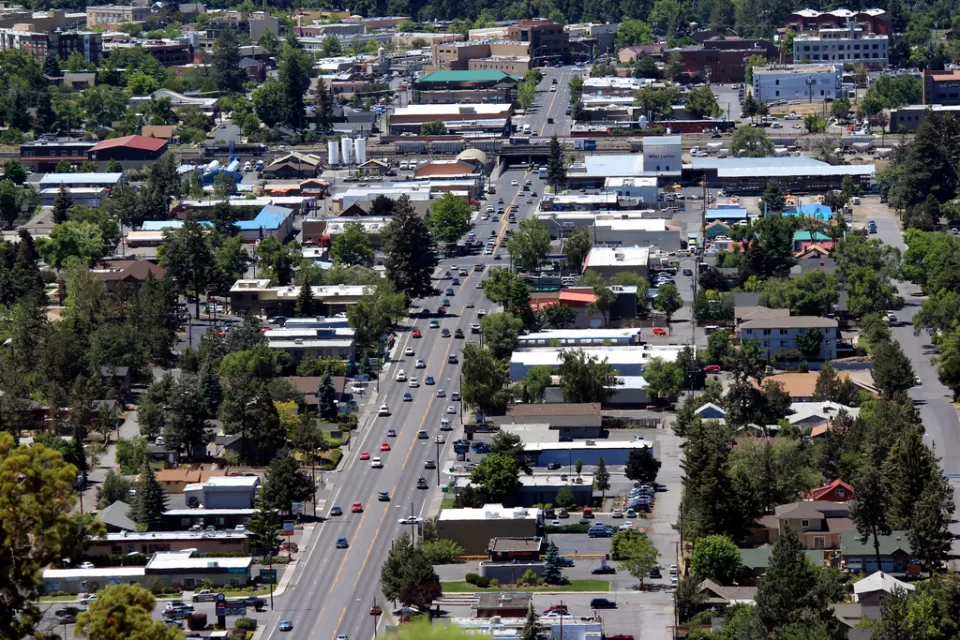
Bend, Oregon Zoning Reforms Prioritize Small-Scale Housing
The city altered its zoning code to allow multi-family housing and eliminated parking mandates citywide.

Amtrak Cutting Jobs, Funding to High-Speed Rail
The agency plans to cut 10 percent of its workforce and has confirmed it will not fund new high-speed rail projects.

LA Denies Basic Services to Unhoused Residents
The city has repeatedly failed to respond to requests for trash pickup at encampment sites, and eliminated a program that provided mobile showers and toilets.

Urban Design for Planners 1: Software Tools
This six-course series explores essential urban design concepts using open source software and equips planners with the tools they need to participate fully in the urban design process.
Planning for Universal Design
Learn the tools for implementing Universal Design in planning regulations.

planning NEXT
Appalachian Highlands Housing Partners
Mpact (founded as Rail~Volution)
City of Camden Redevelopment Agency
City of Astoria
City of Portland
City of Laramie