





















The new issue of Katarxis features an interview with Andres Duany, developer of the urban transect theory and the new 'SmartCode'.


Duany's critics like to focus on his design of "new towns" like Seaside, criticizing their "instant" artificiality. But Duany and his collaborators are still seeking the key to a deeper revival, both in the suburbs (where, as Duany notes, most new development occurs, and should hardly be ignored) and equally in the abandoned city. Duany believes that it is not enough to swoop in and plant swell modernist buildings in an existing downtown, and that what is needed above all is a process of revival.
But as our interview made clear, Duany believes more will be needed than charrettes and well-meaning civic leaders. What is needed now, he thinks, is nothing less than an overhaul of the technocratic culture, beginning with zoning codes.
Duany's latest Herculean effort is a new model zoning code called the SmartCode, developed after four and a half years of intensive work: "by far the most difficult thing I have ever done", he says. The SmartCode is based on his work, with his brother Douglas, on an analytical tool called the Transect. The notion, developed by Sir Patrick Geddes in the early 1900's and refined by the Duany brothers, is that urbanism occurs across a spectrum from urban center to rural wilderness, and that any system of zoning must account for that structure.
Thanks to The Practice of New Urbanism
FULL STORY: A Conversation with Andr�s Duany


Planetizen Federal Action Tracker
A weekly monitor of how Trump’s orders and actions are impacting planners and planning in America.
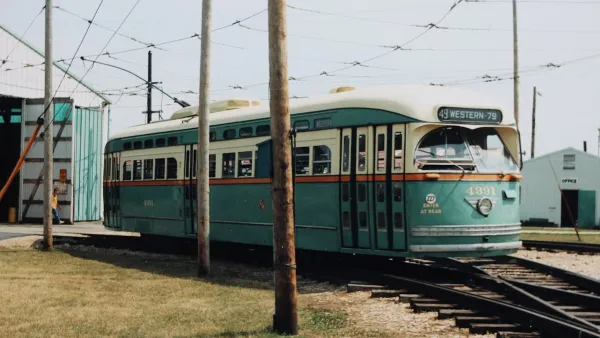
Chicago’s Ghost Rails
Just beneath the surface of the modern city lie the remnants of its expansive early 20th-century streetcar system.
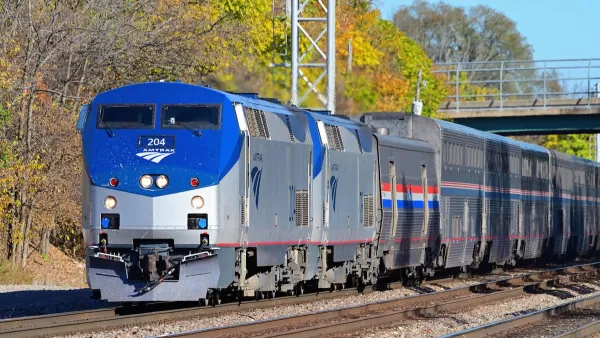
Amtrak Cutting Jobs, Funding to High-Speed Rail
The agency plans to cut 10 percent of its workforce and has confirmed it will not fund new high-speed rail projects.

Ohio Forces Data Centers to Prepay for Power
Utilities are calling on states to hold data center operators responsible for new energy demands to prevent leaving consumers on the hook for their bills.

MARTA CEO Steps Down Amid Citizenship Concerns
MARTA’s board announced Thursday that its chief, who is from Canada, is resigning due to questions about his immigration status.

Silicon Valley ‘Bike Superhighway’ Awarded $14M State Grant
A Caltrans grant brings the 10-mile Central Bikeway project connecting Santa Clara and East San Jose closer to fruition.

Urban Design for Planners 1: Software Tools
This six-course series explores essential urban design concepts using open source software and equips planners with the tools they need to participate fully in the urban design process.
Planning for Universal Design
Learn the tools for implementing Universal Design in planning regulations.

Caltrans
City of Fort Worth
Mpact (founded as Rail~Volution)
City of Camden Redevelopment Agency
City of Astoria
City of Portland
City of Laramie