Exclusives

FEATURE
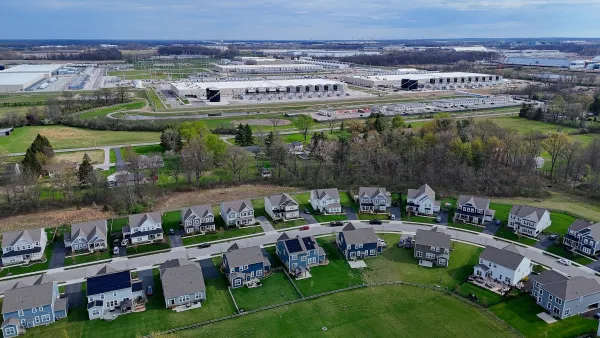
What the fall of earth's largest pre-industrial city can teach us about urban sprawlAngkor was a low-density metropolis. It lasted six centuries, until it could no longer maintain its infrastructure in a changing climate. Today, it offers planners a sobering warning about the risks of dispersed urban living.
FEATURE
Planning schools aren’t preparing us for data centers — and communities are paying the price
We can change that.

FEATURE
Planetizen Federal Action Tracker
A weekly monitor of how Trump’s orders and actions are impacting planners and planning in America.

FEATURE
Op-ed: Federal austerity is funding what kills us
Tracing the backstory of the last year of cuts to multimodal transportation reveals an alarming definition of road safety that only serves one mode.
BLOG POST
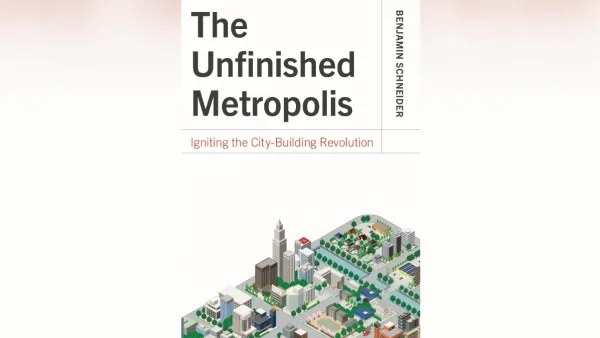
Reigniting the city-building revolution
Review: In “The Unfinished Metropolis," Benjamin Schneider argues for us to look abroad for help in returning to a long-lost American art: city-building.
FEATURE
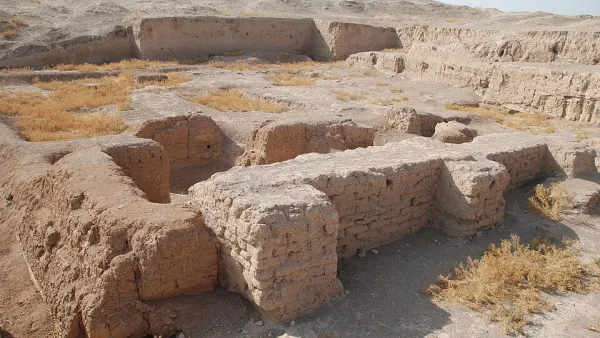
Urbanism before the plan
Some of the first cities emerged without rulers or blueprints. Planners are now trying to recover what that process does well.

FEATURE
Why city hall doesn't know your music venue is a music venue (and why that matters)
Data shows that cultural venues have long lacked proper classification — which is why so many fall through the cracks.


FEATURE
The future of GIS, explored
The pros and cons of ArcGIS Urban, CityEngine, AI assistants and more notes from the 2026 Esri User Conference.

FEATURE
A book summit just for planners
This October, the Booked on Planning podcast is hosting its first ever summit in celebration of all things related to publishing and planning.

BLOG POST
Book review: 'Sidewalk Nation: The Life and Law of America’s Most Overlooked Resource'
Far more than mere ribbons of concrete, author Michael Pollack argues that it's time we treat sidewalks as what they are: one of the most complex — and vital — pieces social infrastructure on earth.
FEATURE
The new Texas law declawing NIMBYs
State lawmakers gutted an old Jim Crow-era state law that required a city council supermajority to approve a new housing development if neighbors petitioned the proposal.

BLOG POST
Does every planner need an AI policy?
From a hundred-person agency to a one-person consultancy, the answer is yes. The difference is what “policy" means.
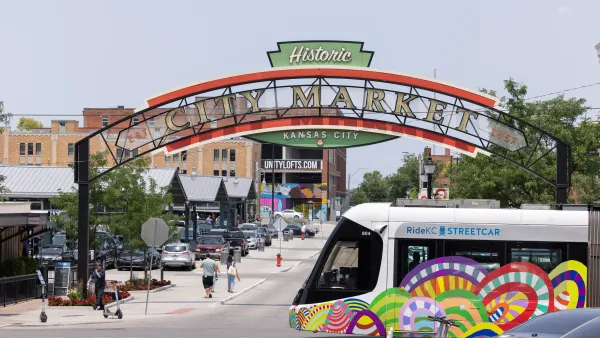
FEATURE
How Kansas City quietly built one of the best streetcars in America
A detailed and completely unbiased history of one of American transit's greatest comebacks.

FEATURE
The newest state on the virtual power plant frontier: Illinois
The state's "Clean and Reliable Grid Affordability Act" is the latest jumpstart for the VPP market, which turn individual homes into green energy producers.
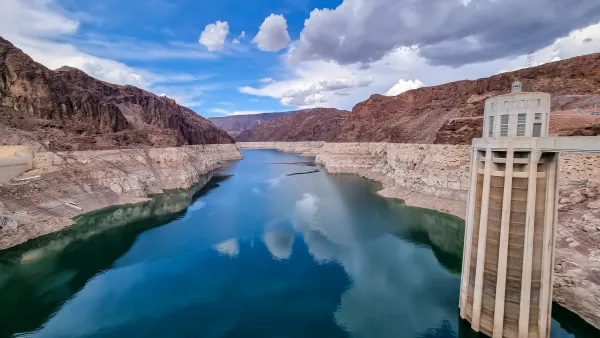
FEATURE
Why a Colorado River water conservation agreement is so hard to reach
As the nation's two largest reservoirs hit their lowest levels on record, what would it take to avert the crisis? An expert weighs in.
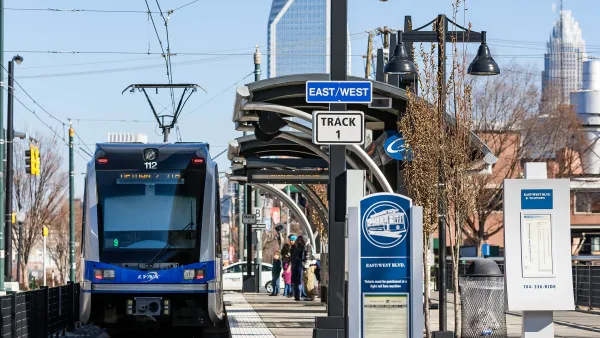
FEATURE
The triumph and tragedy of light rail in Charlotte
Like the iPhone, Charlotte's Blue Line represents a missed opportunity for the public to recoup the value it created.

FEATURE
Jim Crow lives on in our public bathrooms
Using budgets to devalue public spaces and their patrons was one of segregationists’ key moves. Their legacy still plagues our public bathrooms.

BLOG POST
Unarresting mobility: A conversation with Charles T. Brown
In “Arrested Mobility: Overcoming the Threat to Black Movement," Charles T. Brown offers a blueprint for acknowledging — and beginning to overcome — the role of systemic racism in urban planning.
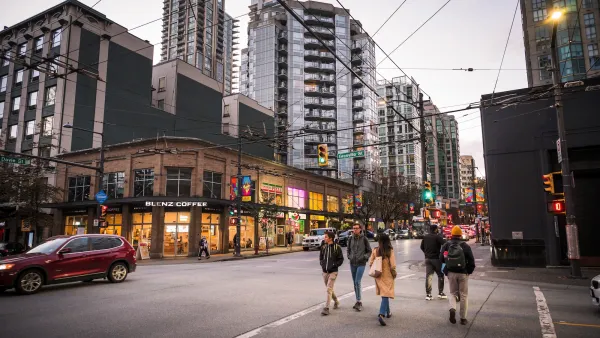
FEATURE
To upzone or not to upzone? Two views on the housing crisis
Allowing more density can increase the housing supply, but does the attendant rise in land prices cancel out the benefits?

FEATURE
Can immigrant entrepreneurs save Main Street?
As millions of small businesses face ownership transitions, cities trying to revive commercial corridors may be overlooking one of their best sources of new investment: immigrant entrepreneurs.
KFH Group Inc.
Greater Baltimore Committee
Eagle County Government
The Architects Foundation
University of Cincinnati Online
The Pocatello Development Authority
The Urban Renewal Agency of the City of Pocatello

FREE Course: Walkable City 1: Why Walkability?
After describing his path towards focusing on walkability as the essence of good planning, Jeff Speck marches through his five principal reasons for making more walkable places.
Reinventing Malls: Planning Alchemy—Turning Gray Fields Into Gold
The course focuses on the opportunities and imperatives that shape reinvention of mall sites.